Topic

Pests & Diseases

Identify common houseplant pests and diseases from photos and symptoms — fungus gnats, spider mites, mealybugs, scale, powdery mildew — with step-by-step treatment guides.

Most houseplant pests arrive on a newly purchased plant and spread from there. The vast majority of what visibly damages indoor plants is a small handful of species — fungus gnats, spider mites, mealybugs, scale, thrips, and aphids — plus a shorter list of fungal problems. Early identification matters: a ten-day delay can turn a single-plant infestation into a full collection problem.

Every guide here starts with the visual symptom (webbing, white cotton clusters, tiny black flies, sooty residue), walks through confirmation checks, and lists treatments ordered from least toxic to most — isolation, manual removal, insecticidal soap, neem, then systemic options only when needed. Quarantine new plants for two weeks before introducing them to the rest of your collection.

Guides in pests & diseases

20 articles
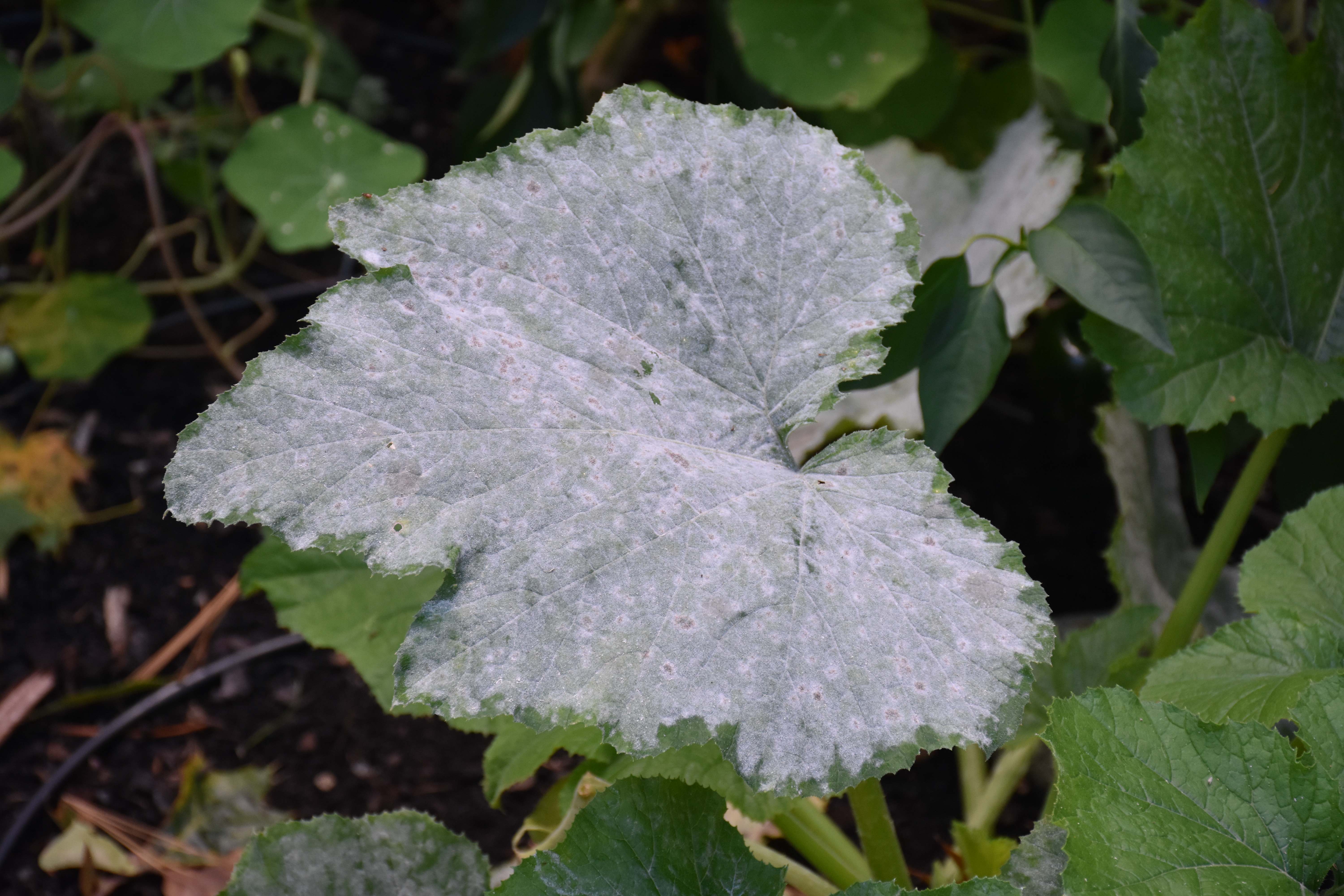
Green leaf dusted with white powdery mildew — one of the four things 'white fuzz on a plant' can meanPests & Diseases

White Fuzz on Plant Soil or Leaves: A Complete Identification Guide

13 min
Yellow sticky trap covered in adult fungus gnats (Sciaridae) caught from a houseplantPests & Diseases

Tiny Black Bugs in Houseplant Soil: A Complete Guide to Getting Rid of Fungus Gnats

14 min
Macro photograph of a two-spotted spider mite (Tetranychus urticae) on a leaf surrounded by its silk threadsPests & Diseases

Spider Mites on Houseplants: Identify Webbing, Damage, and How to Kill Them

13 min
Two ants crawling along a green plant stem — ants on a houseplant are a reliable telltale of a honeydew-producing pest nearbyPests & Diseases

Sticky Residue on Houseplant Leaves: The 3 Pests That Cause It

11 min
Macro close-up of a green aphid on a plant — one of the seven most common tiny bugs found on houseplantsPests & Diseases

What Are These Tiny Bugs on My Houseplant? A Visual Identification Guide

15 min
Close-up of mealybugs (Pseudococcidae) coated in white wax clustered on a plant leafPests & Diseases

Mealybugs on Houseplants: Identification and Treatment

11 min
Dark scale insect bumps encrusting the stem of a dracaena houseplantPests & Diseases

Scale Insects on Houseplants: What Those Brown Bumps Actually Are

10 min
Macro photograph of an adult banded greenhouse thrip (Hercinothrips femoralis) on a leafPests & Diseases

Thrips on Houseplants: The Pest Behind Silver-Streaked Leaves

11 min
Adult dark-winged fungus gnat (Sciaridae), showing dark body and clear wingsPests & Diseases

Why Fungus Gnats Explode in Spring (And How to Stop the Cycle)

12 min
Microscope close-up of Tetranychus urticae, the two-spotted spider mite — the arachnid behind most spring houseplant infestationsPests & Diseases

The Spring Spider Mite Surge on Indoor Plants: Why It Happens and How to Stop It

10 min
Cluster of green aphids feeding on the petals of an anemone flower — typical aphid colony on new growthPests & Diseases

Aphids on Houseplants: Identification and Treatment

11 min
Edema on a Ficus lyrata (fiddle leaf fig) leaf — small dark blisters on the leaf underside caused by burst water-storage cellsPests & Diseases

Edema on Houseplant Leaves: Corky Bumps and Blisters Explained

9 min
Close-up of powdery mildew (Erysiphe) on a leaf — fine white dusty fungal coating spreading from a central patch outwardPests & Diseases

Powdery Mildew on Houseplants: Identify & Treat the White Dust

9 min
Macro photograph of a springtail (Collembola) on damp soil — tiny wingless arthropod with the forked tail organ that makes it jump when disturbedPests & Diseases

Springtails in Houseplant Soil: Harmless Jumpers, Not a Pest

8 min
Macro close-up of a female mealybug (Pseudococcidae) on a plant — showing the white waxy coating that distinguishes mealybugs from every other common houseplant pestPests & Diseases

What Bug Is on My Plant? A Houseplant Pest Identification Flowchart

10 min
A close-up of an adult fungus gnat — the dark-winged sciarid fly whose larvae feed on plant roots in damp houseplant soilPests & Diseases

Mosquito Bits for Fungus Gnats: The BTI Method That Actually Works

9 min
Cluster of greenhouse whitefly adults (Trialeurodes vaporariorum) at rest on the underside of a leaf — the typical resting position before they take off in a cloudPests & Diseases

Whiteflies on Houseplants: ID, Treatment, and Why Indoor Outbreaks Spread So Fast

11 min
Close-up of oleander aphids (Aphis nerii) clustered on a plant stem — bright yellow, soft-bodied, the textbook aphid appearancePests & Diseases

Aphids on Houseplants: Identification, Treatment, and Prevention

11 min
Close-up of a houseplant leaf with multiple irregular holes caused by pest damagePests & Diseases

Holes in Houseplant Leaves: 7 Causes and How to Fix Each One

9 min
Close-up of a black ant tending a green aphid on a plant stem — ants farm aphids for honeydew, which is why ants on a houseplant almost always indicate a hidden sap-sucking infestationPests & Diseases

Why Are There Ants on My Houseplant? The Hidden-Pest Diagnosis

10 min

Frequently asked questions about pests & diseases

What are the most common houseplant pests?+

Fungus gnats (tiny black flies around the soil), spider mites (fine webbing under leaves), mealybugs (white cottony clusters in leaf axils), scale (brown bumps on stems), thrips (silvery streaks on leaves), and aphids (clusters of small green or black insects on new growth).

How do I get rid of fungus gnats?+

Let the top 2–3 cm of soil dry out completely between waterings — gnat larvae can't survive dry soil. Add yellow sticky traps to catch adults, and for persistent infestations, apply Bacillus thuringiensis israelensis (BTI) granules or a hydrogen peroxide soil drench.

Is neem oil safe for indoor plants?+

Yes, when used correctly. Mix cold-pressed neem oil with water and a few drops of dish soap (roughly 1 tsp neem per 500 ml water), and spray in the evening so leaves can dry overnight. Avoid spraying in direct sun — it can scorch leaves. Repeat every 5–7 days for 3 cycles to break the pest life cycle.

Should I throw out a plant with pests?+

Rarely. Most infestations — even severe ones — can be cleared with 3–4 weeks of consistent treatment. Consider disposal only if the plant is barely alive, if you have a rare infestation that's resistant to multiple treatments, or if it's a low-value plant next to a high-value rare collection.