 Plant Identification
How to Identify a Houseplant from a Photo: A Complete Guide
14 min
Visual identification guides for indoor plants — by leaf shape, growth habit, and color. Tell similar species apart and find the care guide you need.
If you bought a plant from a grocery store, inherited one from a move, or received a cutting without a label, the care you give it depends on getting the ID right. Look-alike species can have opposite needs: a monstera and a split-leaf philodendron are visually similar but belong to different genera, and a "snake plant" can be any of a dozen Dracaena species with slightly different tolerances.
These guides walk through visual cues — leaf shape, vein pattern, stem type, growth habit, and flower structure — that reliably distinguish the most commonly confused houseplants. Once you know what you have, cross-reference our species care guides for the exact regimen.
Plant Identification Plant Identification
 Plant Identification
 Plant Identification
 Plant Identification
 Plant Identification
 Plant Identification
 Plant Identification
 Plant Identification
 Plant Identification
 Plant Identification
 Plant Identification
 Plant Identification
 Plant Identification
 Plant Identification
 Plant Identification
 Plant Identification
 Plant Identification
 Plant Identification
 Plant Identification
 Plant Identification
 Plant Identification
 Plant Identification
 Plant Identification
Take photos of three things: the whole plant in its pot, a single leaf flat against a neutral background, and a close-up of the stem or vein pattern. Then compare against our visual ID guide or run the images through a specialised plant ID app. Apps are accurate about 70–85% of the time for common species.
Most commonly Monstera deliciosa, whose mature leaves develop natural perforations (called fenestrations) as the plant matures in bright light. Monstera adansonii has smaller, more uniform holes across the entire leaf.
Monstera deliciosa has leaves with holes (fenestrations) inside the leaf surface, plus deep splits from the edge. Split-leaf philodendron (Thaumatophyllum bipinnatifidum) has only edge-splits — no holes — and a shorter, thicker trunk.
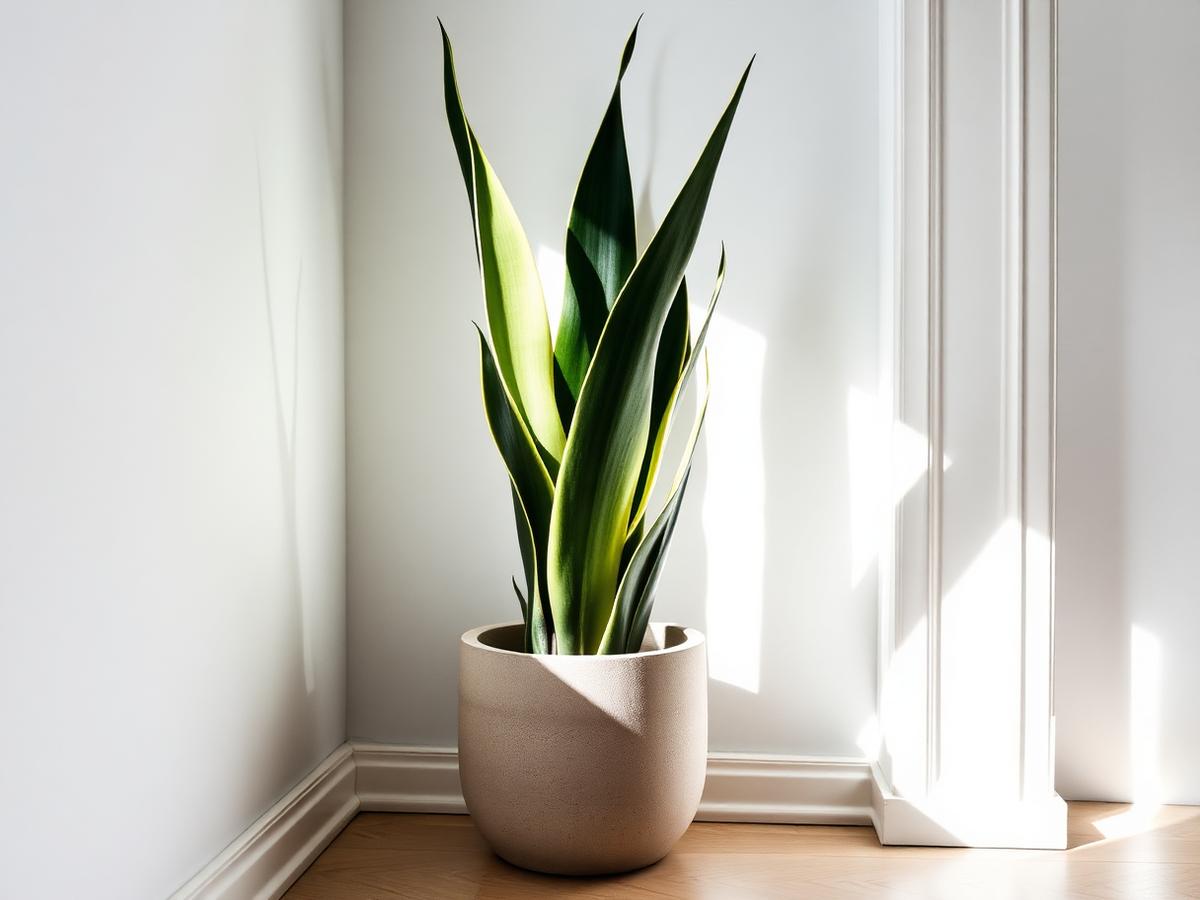
Almost certainly snake plant (Dracaena trifasciata, formerly Sansevieria). Exact cultivar depends on leaf pattern: solid dark green is 'Laurentii' without margin, yellow-edged is standard 'Laurentii', and cylindrical is 'Cylindrica'.