 Lighting
Understanding Light Levels for Indoor Plants
14 min
From bright indirect to low-light corners — a complete guide to identifying light levels in your home and picking plants that will thrive in each spot.
Every plant species evolved under a specific slice of the light spectrum, and indoor lighting is almost always dimmer than the "bright" we perceive. A north-facing window in winter can deliver less than 5% of the light that reaches the understory of a tropical forest — where most popular houseplants originate — which is why light is the single variable most often misjudged at home.
These guides show you how to measure what you actually have (by lux meter, window orientation, or the simple shadow test) and which species match each light tier. When in doubt, move the plant toward the light by a metre and watch for new growth over two to three weeks — plants signal a light deficit long before they look sick.
Lighting Lighting
 Lighting
 Lighting
 Lighting
 Lighting
 Lighting
 Lighting
 Lighting
 Lighting
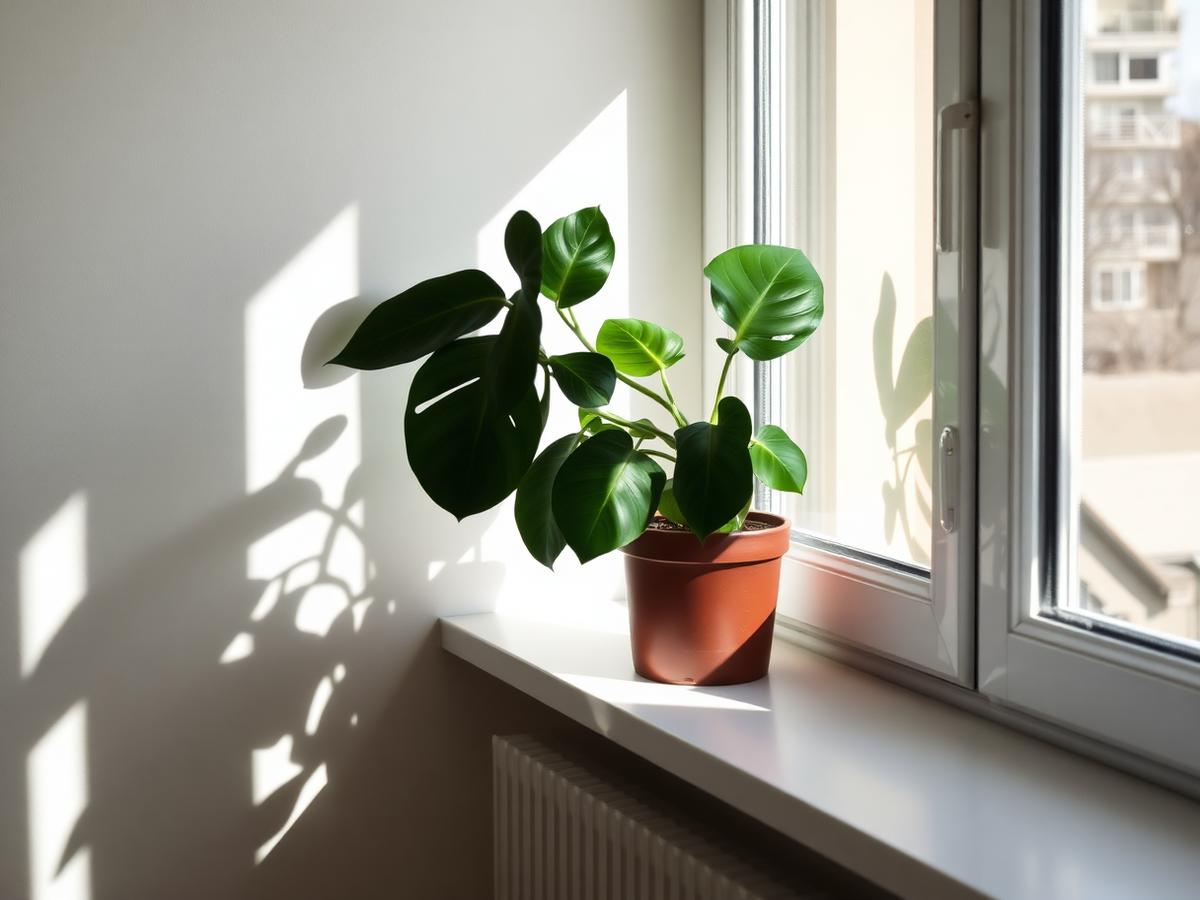
Bright indirect light is a spot where you can read a book comfortably during the day without a lamp, but direct sun never lands on the plant — typically within 1–2 metres of a south or west window, or right next to an east window. In lux terms it's roughly 10,000–20,000 lux.
A few do. Succulents, cacti, citrus, and most flowering plants want 4–6 hours of direct sun daily. Most foliage tropicals (monstera, pothos, philodendron, calathea) will burn in direct sun and prefer bright indirect light.
For any home with only north-facing windows, or for winter in latitudes above ~45°, yes. A 20–40 W full-spectrum LED 30 cm above the plant on a 10–12 hour timer keeps tropical foliage plants growing through months when natural light alone isn't enough.
Look for leggy new growth (long gaps between leaves), smaller new leaves than the plant used to produce, pale or yellowing lower leaves, and plants leaning toward the nearest window. These appear within 2–6 weeks of a move to dimmer light.