 Soil & Potting
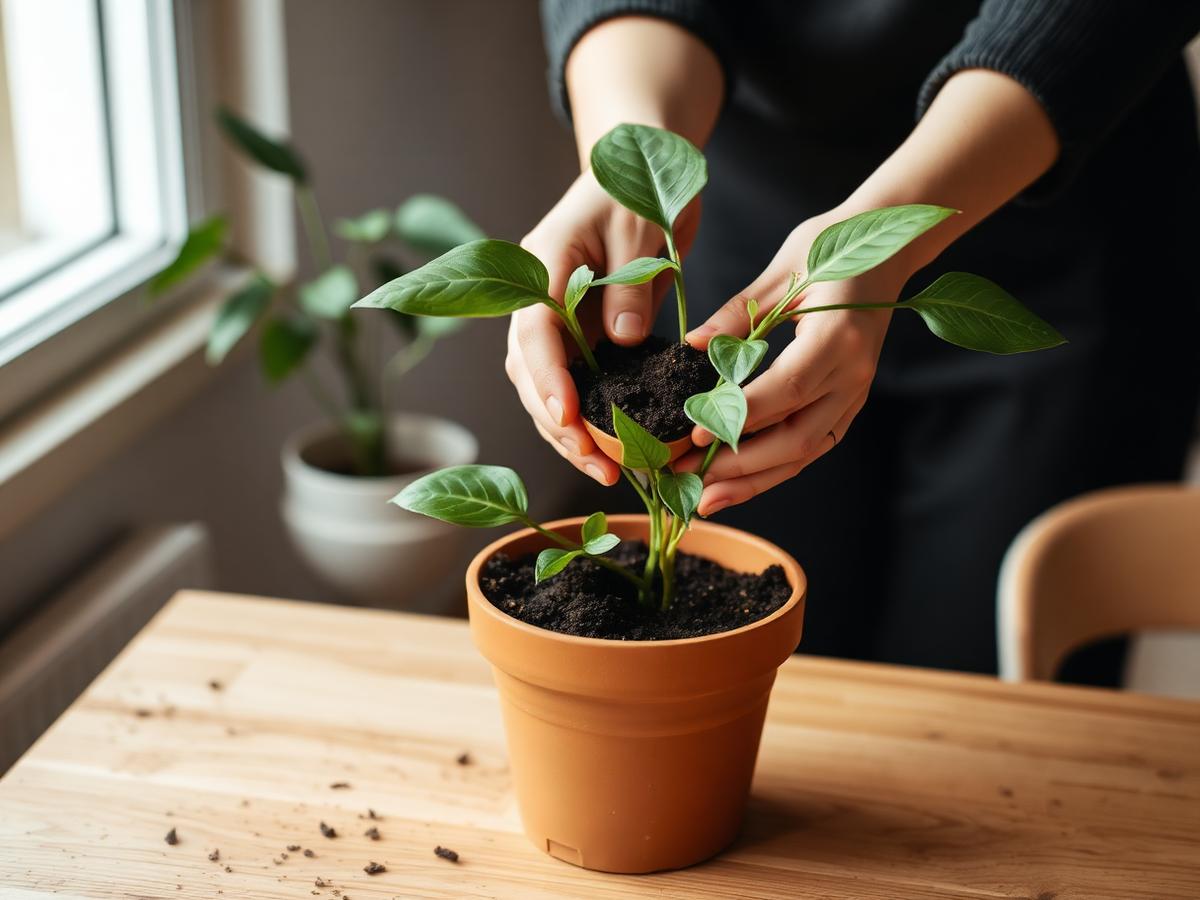
When to Repot a Houseplant (and How to Do It Right)
13 min
Everything you need to know about soil mixes, drainage, pot selection, and the right time to repot — for healthy roots year after year.
Most bagged potting soil sold at big-box stores is designed for vegetable seedlings, not houseplants, which is why plants purchased there often arrive in a mix that holds too much water for their roots. Aroids, ficus, succulents, and orchids each want different porosity, and matching mix to plant is one of the highest-leverage changes you can make.
These guides cover what to buy, how to blend a custom mix from pantry-shelf ingredients (coco coir, perlite, orchid bark, pumice), and how to recognise the moment a plant needs a larger pot. Repotting is usually needed every 18–24 months for fast growers and every 3–4 years for slow growers.
Soil & PottingSoil & Potting Soil & Potting
 Soil & Potting
 Soil & Potting
 Soil & Potting
 Soil & Potting
 Soil & Potting
 Soil & Potting
 Soil & Potting
 Soil & Potting
 Soil & Potting
 Soil & Potting
 Soil & Potting
A blend of two parts all-purpose potting mix, one part perlite, and one part orchid bark works for 80% of tropical foliage plants. It drains well enough to prevent root rot but retains enough moisture to reduce watering frequency.
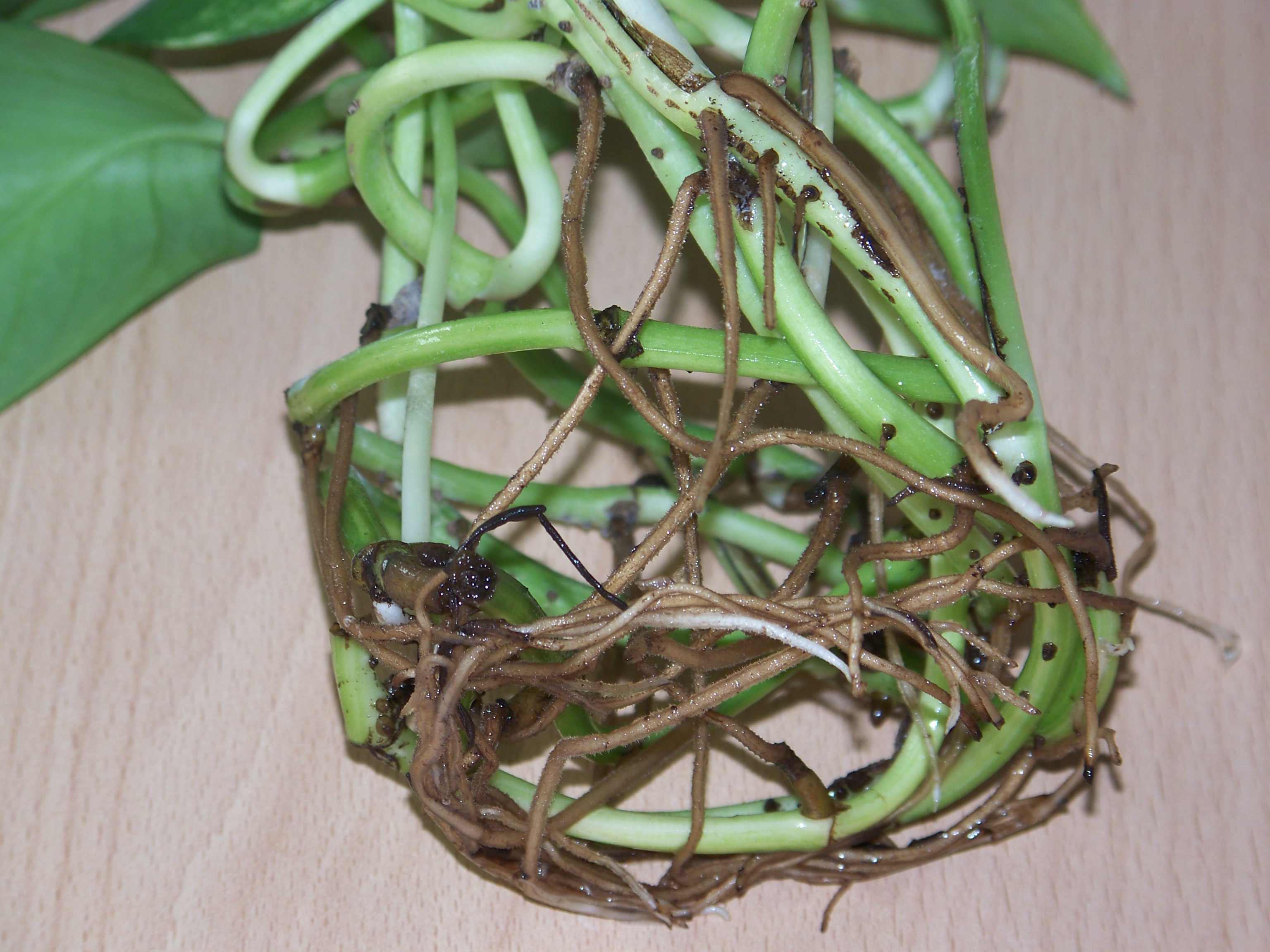
Fast-growing plants (pothos, monstera, philodendron) need repotting every 18–24 months. Slow growers (snake plant, ZZ plant, cactus) every 3–4 years. Signs it's time: roots circling the bottom, water running straight through, or growth stalling despite good care.
Yes, for almost every plant. Without drainage, water pools at the bottom and roots sit in that pool, causing rot within weeks. If you love a cachepot with no hole, use it as an outer sleeve and plant into a plastic nursery pot inside it.
Gently tease any tightly circling roots with your fingers, but don't aggressively prune unless roots are obviously girdling the rootball. Plants lose some fine roots during repotting; being too rough extends recovery by weeks.