Diagnosis

Your Monstera with leggy, stretched growth and pale, washed-out leaves

MonsteraLeggy, stretched growthPale, washed-out leaves

Based on what you've described, these are the likeliest causes — ranked. Each one carries a tell-tale sign that distinguishes it from the others, and a single-minute check to confirm.

1Most likely

Too little light

The plant is getting less light than it needs to sustain the leaves it currently has, so it's stretching toward the nearest window and cannibalizing older growth. Low light problems show up in weeks, not days, which is why they're easy to miss.

Tell-tale sign
New growth is smaller and paler than the old leaves, and stems elongate between leaves rather than filling out.
60-second check
Hold your hand a foot above the plant at midday. If your shadow is soft-edged or barely visible, the spot is too dim.
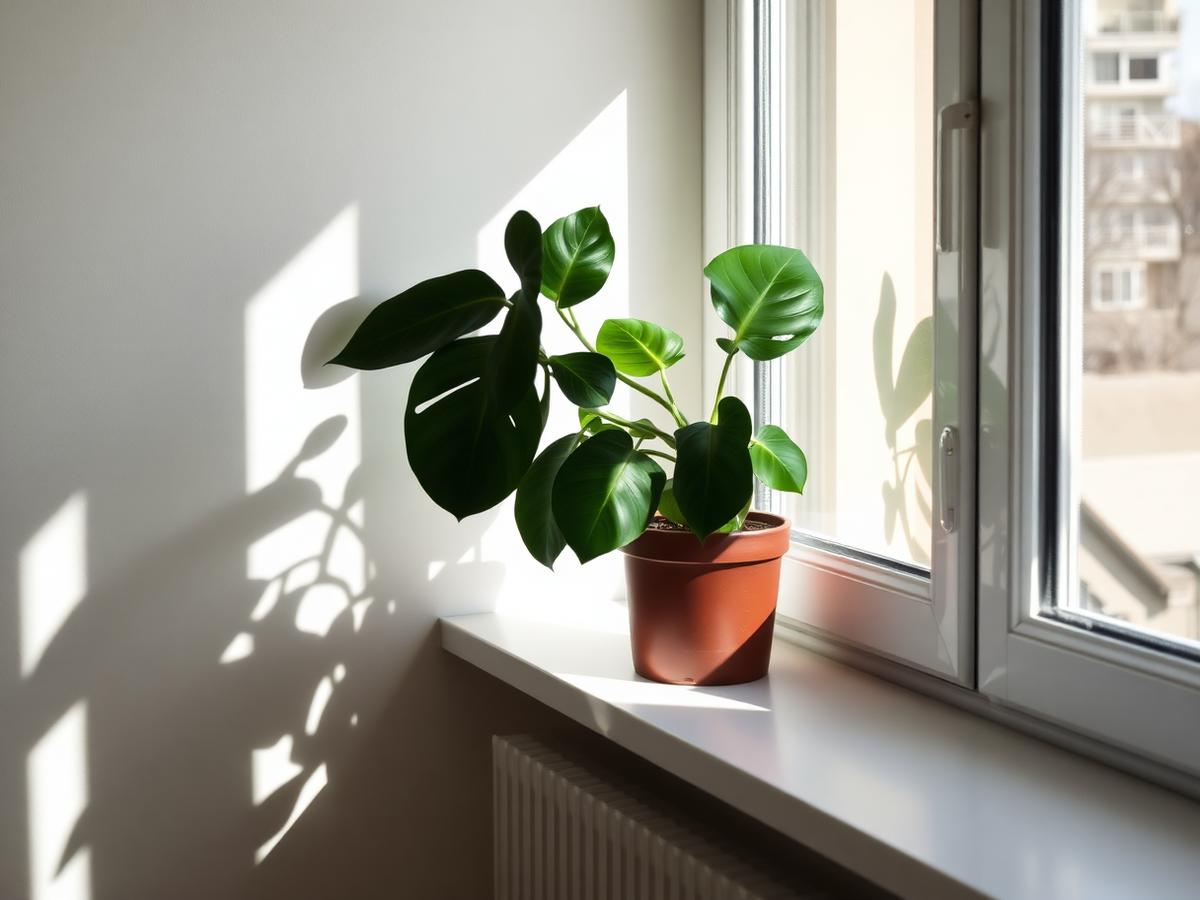
2Less likely

Too much direct light (sunburn)

Direct sun, especially through a south- or west-facing window in summer, has bleached or scorched the leaf surface. Species adapted to forest understories (most aroids) are particularly vulnerable; desert species are not.

Tell-tale sign
Damage is confined to the side of the plant facing the window and shows up as bleached patches with crisp edges, not general yellowing.
60-second check
Check if the damaged leaves are the ones in direct sun. Move the plant two feet back from the window and watch what happens to new growth.
3Less likely

Spider mites

A tiny sap-sucking arachnid that lives on leaf undersides and breeds fast in dry indoor air. They're nearly invisible individually but leave diagnostic fine webbing across stems and leaf joints once the colony is established.

Tell-tale sign
Fine silken webbing strung between leaves or at the base of new growth, visible in raking light.
60-second check
Hold a sheet of white paper under a leaf and tap. Specks that start moving are mites; specks that don't are dust.
Start a new diagnosis
Canonical combo: leggy-stretched-growth--pale-washed-out-leaves