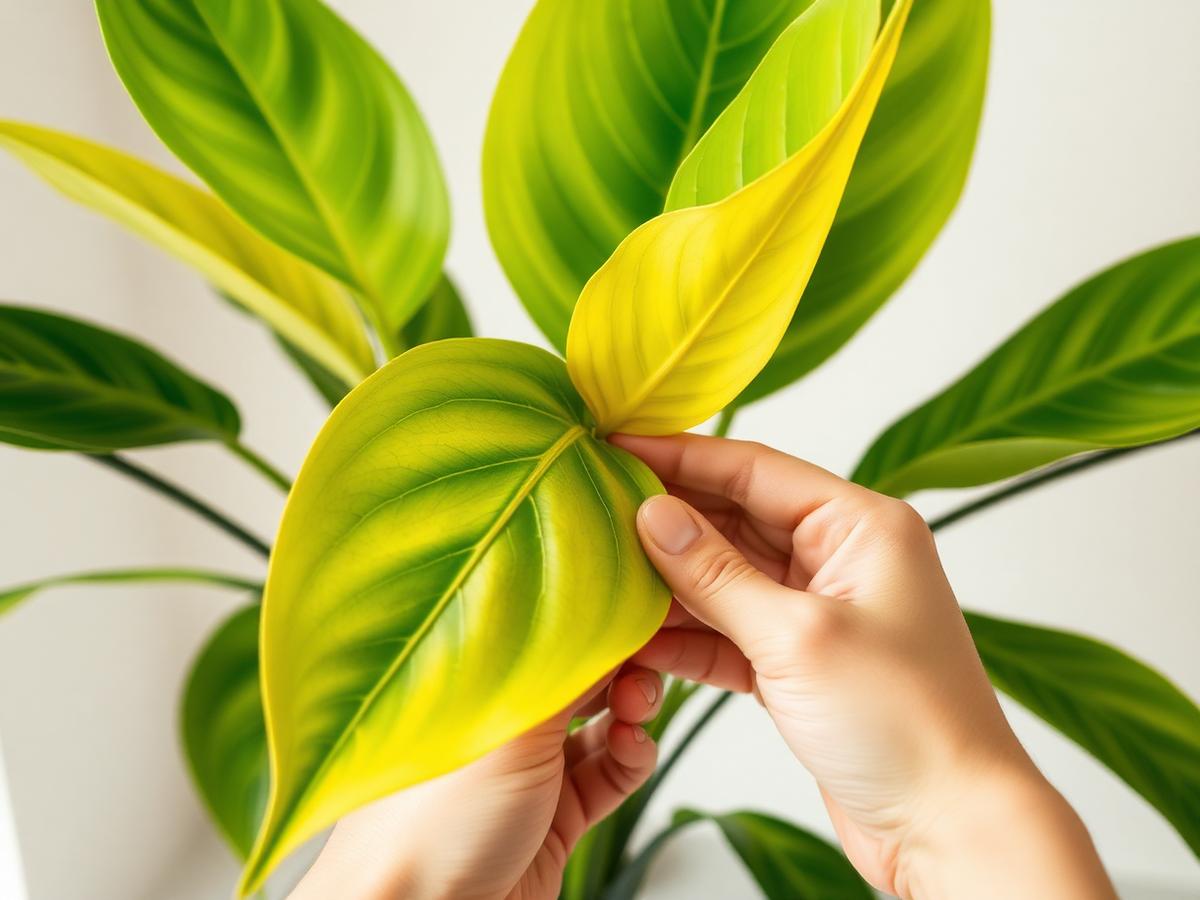
Why leaf dust is an actual problem
A leaf's job is to collect light and to breathe. Both happen at the surface. The upper surface (adaxial) has the densest chlorophyll, which converts sunlight to sugar; the underside (abaxial) is studded with stomata, the pores through which the plant releases water vapour and takes in CO₂. A coat of dust, even a barely-visible film, reduces both.
Field studies measuring photosynthesis on artificially dusted leaves consistently show 10–30% losses at dust loads typical of an urban home after 3–4 weeks. At the same time, clogged stomata reduce transpiration — which is why dust-covered plants sometimes drop leaves in winter despite adequate watering. The plant can't move water to the canopy because its pores are blocked.
There is a second reason to clean: pests hide under dust. Scale, spider mites, mealybugs, and thrips all prefer the undisturbed underside of leaves where dust films accumulate. A cleaning cycle doubles as a pest inspection — you see the problem before it colonises the plant.
What actually settles on city leaves
Indoor dust in a UK city flat is a mix of skin flakes, textile fibres, outdoor particulates that migrated in, and — depending on the street — diesel soot, brake dust, and wood-burner smoke. Roadside flats 5 metres from a busy bus route can accumulate PM2.5 indoors at 30–50% of the outdoor concentration, settling on horizontal leaf surfaces over days.
Indoor-only dust is water-soluble and wipes off easily. Traffic soot and brake dust contain oily organic compounds that bind to the leaf cuticle more tightly — they need light abrasion (not just water) to come off, and they show up as a grey-brown smudge on a white cloth after the first wipe. Any plant within 10 metres of a diesel-traffic road gets the oily film; plants in quieter streets or higher floors get the lighter dust only.
Neither is good for the plant. Both block light. The oily film is worse because it reduces gas exchange more severely.
The two-minute wipe (small and medium plants)
For anything up to a medium pothos or philodendron, the standard clean is a damp microfibre cloth. Microfibre matters — paper towels scratch the leaf cuticle and leave lint, and cotton flannel holds more water than it wipes off.
- 1Dampen a clean microfibre cloth in lukewarm (18–25 °C) water. It should be wet but not dripping.
- 2Support the underside of the leaf with your other hand so you don't flex the petiole.
- 3Wipe the upper surface from the base of the leaf toward the tip, one stroke.
- 4Flip the cloth to a clean side and wipe the underside (where pests hide and stomata live).
- 5Rinse the cloth when it visibly greys. A 10-leaf pothos will grey a microfibre cloth noticeably.
- 6For variegated or fuzzy leaves (anthurium, African violet, calathea velvet cultivars), use a dry soft brush instead — water marks the cuticle.
The monthly shower (large plants)
For anything bigger than a 30 cm canopy — monstera, fiddle leaf fig, rubber tree, large pothos, dracaena — wiping every leaf individually takes half an hour and misses the undersides. Showering is faster and more thorough.
Move the plant into the bathtub or shower. Cover the soil with a bin bag or cling-film to stop the substrate washing out. Run the shower at a low flow on lukewarm water (18–25 °C — cold water shocks tropical roots, hot water damages leaves). Aim the spray so it hits the leaves from above at a shallow angle and drains off, not straight onto the soil.
Give the plant 3–5 minutes of gentle spray, paying attention to leaf undersides. Let it drip in the tub for 20 minutes before returning it to its spot. Do this in the morning so leaves dry before nightfall — wet leaves overnight in cold rooms invite fungal spots. Repeat every 4–6 weeks in heavy pollution zones, every 8–10 weeks elsewhere.
Products that help vs products that hurt
The single most-marketed product in this category is leaf-shine spray — and it's the worst thing you can put on a plant. The silicone or wax film it leaves blocks stomata, reduces photosynthesis more than the dust it's replacing, and makes future dust stick harder. Avoid it entirely.
Other household remedies that fail for the same reason: olive oil, coconut oil, mayonnaise, milk, butter, and egg whites all leave residue that clogs the leaf surface. They produce a short-term shine and a long-term health cost. The only fluid a leaf wants is plain water. We compare every popular polish method side-by-side in leaf shine sprays, milk, olive oil, neem: which plant polish methods actually work? — including the one milk-based wipe that does work if you rinse it off correctly.
- ·Use: microfibre cloth (reusable, no lint), lukewarm water, optional 1 drop castile soap per litre for greasy soot — rinse after.
- ·Use: a soft dry brush for fuzzy or textured leaves.
- ·Skip: leaf-shine spray (blocks stomata, worsens dust over time).
- ·Skip: olive oil, coconut oil, milk, mayonnaise, butter — all residue-forming.
- ·Skip: tissues and paper towels (scratch the cuticle, leave lint).
- ·Skip: feather dusters — they move dust around rather than removing it.
- ·Occasional use: 50/50 water and white vinegar on heavily limescaled leaves (London, Kent, Suffolk) — rinse thoroughly after.
When to clean and when not to
Healthy plants in their active growing season tolerate cleaning well. Plants in recovery — from pest treatment, root rot, or transplant shock — should be left alone for 2–4 weeks until they've stabilised. Newly bought plants should get a clean after the first week (or sooner if you suspect the shop had pests), but not the same day — the plant is already adjusting to the new room.
Avoid cleaning when the plant is in direct sun. Water droplets act as tiny lenses and can scorch leaves, especially on species with thin leaves like calathea. Clean in the morning on a cloudy day or before moving the plant back to its bright spot. Also avoid cleaning in the middle of winter for humidity-sensitive plants kept in heated flats — the brief wet phase can actually trigger fungal issues at low temperatures.
While you're there: the pest inspection
Use every cleaning session as a pest check. The undersides of leaves are where spider mites, thrips, and scale start. Wiping forces you to look at every leaf in good light, and early infestations (a few scale insects, a single spider-mite colony) are far easier to treat than outbreaks two weeks later.
Signs to flag during cleaning: small brown or white bumps that don't wipe off (scale), fine webbing in leaf axils (spider mites), silvery streaks on leaves (thrips), cottony white clumps where leaves meet stems (mealybugs), or sticky residue on leaves or surfaces below (honeydew — usually scale or mealybugs somewhere above). Isolate the plant and start treatment before returning it to a shelf with other plants.