What makes water hard
Water hardness is a measure of dissolved calcium and magnesium, picked up as water flows through limestone or chalky rock. Municipal water supplies vary wildly: London, most of southern England, and much of Germany sit in the "very hard" range (above 180 mg/L CaCO₃), while Scottish highlands, Nordic cities, and most of Scandinavia have soft water (under 60 mg/L).
Both calcium and magnesium are essential plant nutrients, which is why hard water isn't toxic — if anything, it provides mild ongoing fertilisation. The issue is accumulation, not the minerals themselves: every litre of hard water deposits a small amount of minerals in the soil, and over months that builds up.
The visible effects
Three cosmetic signs of hard water over time:
- ·White crust on the soil surface and on the rim of terracotta pots — calcium carbonate deposits from evaporated water.
- ·White or grey spotting on leaves, especially glossy ones, where splash droplets dried and left a mineral residue.
- ·Pale crust on the outside of plastic or glazed ceramic pots where water has seeped through drainage holes and evaporated.
Which plants actually suffer in hard water
Some species are genuinely affected by long-term hard-water exposure — not cosmetically but physiologically. These are plants that evolved in acidic, low-mineral environments (rainforest canopies, bog soils) where their root chemistry assumes soft water. In hard water they can't take up iron and some other micronutrients efficiently, and show pale new growth and stunting.
- ·Orchids — especially phalaenopsis and paphiopedilum. Hard water salts build up in bark media and burn roots.
- ·Ferns — particularly maidenhair, Boston, and bird's-nest. Calcium crusts on root zones affect uptake.
- ·Carnivorous plants — Venus flytraps, sundews, pitcher plants. These evolved on mineral-poor bogs; hard water kills them within months.
- ·Azalea, gardenia, camellia — acid-loving plants rarely grown indoors but sometimes present.
- ·African violets — more tolerant than the above but benefit from softer water.
What happens to soil over time
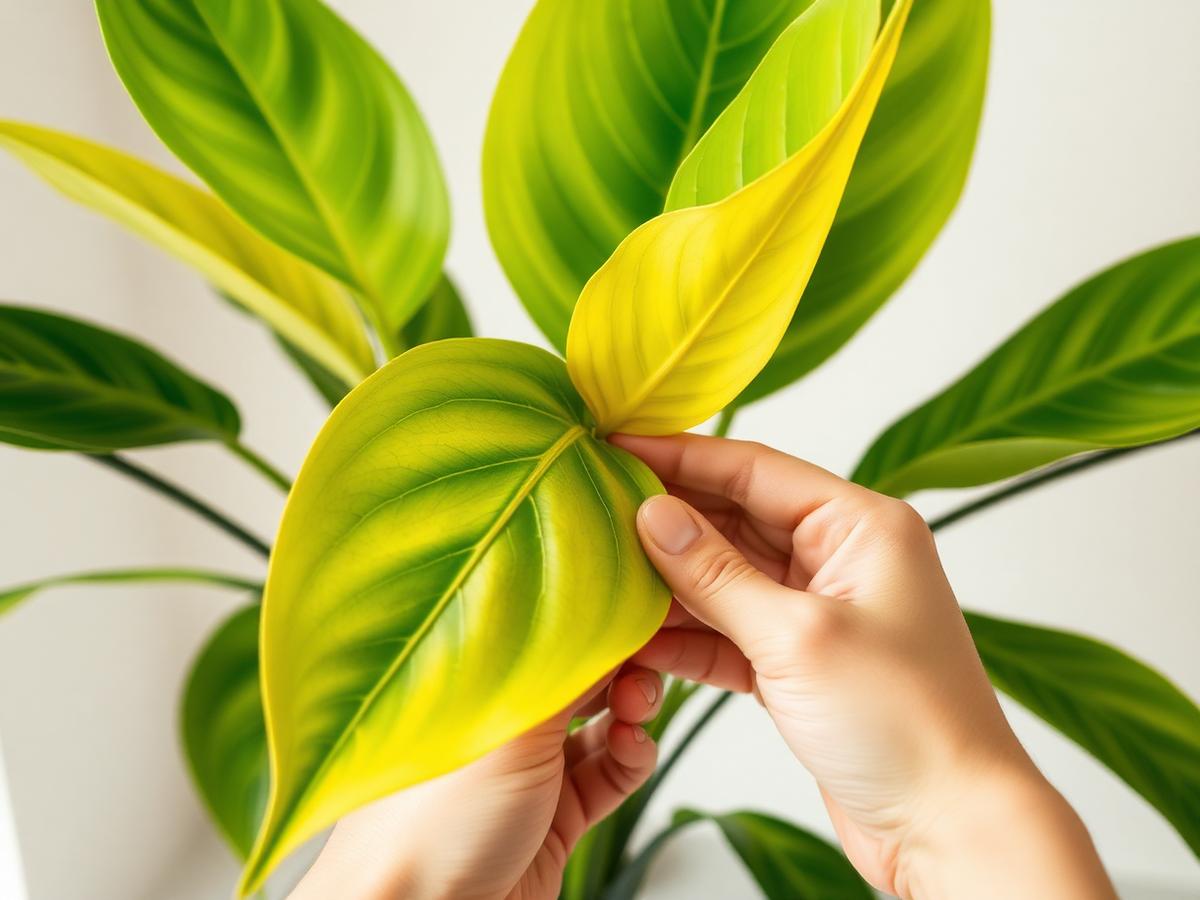
Hard water raises soil pH gradually. Most houseplants prefer slightly acidic soil (pH 6.0–6.8); repeated hard-water watering drifts soil pH toward 7.5–8.0 over 12–18 months. At those higher pH values, iron, manganese, and phosphorus become less available to roots, and you see symptoms (pale new growth, stunted leaves, slow decline) that look like a nutrient deficiency but are actually a pH problem.
The fix isn't more fertiliser — that adds to the salt build-up. The fix is to replace the substrate or flush with soft water to reset the soil pH.
Managing hard water for hardy plants
If you have hard water and mostly standard houseplants (pothos, monstera, philodendron, snake plant, rubber tree, ZZ), you can keep watering with tap. The practices that prevent cosmetic and accumulative issues:
- ·Flush the pot every 2–3 months: slowly pour 3× the pot volume of water through the soil until it drains freely. This carries accumulated salts out.
- ·Water at the soil line, not on the leaves, to avoid spotting.
- ·Wipe terracotta crust with a damp cloth if it bothers you — it doesn't harm the plant.
- ·Repot every 18–24 months into fresh substrate to fully reset the soil pH.
Managing hard water for sensitive plants
For orchids, ferns, and the other species above, switching water sources is worth the effort. Options in order of cost:
- 1Collect rainwater outdoors in a clean container. Free, soft, slightly acidic — ideal. Check local rules.
- 2Use a carbon-block filter for chlorine/chloramine removal (does not soften — the hardness stays).
- 3Use distilled water from the shop for a few sensitive plants if rainwater isn't practical.
- 4Install a reverse osmosis system for a large collection — removes hardness and everything else. ~€100–€200 up front.
- 5Mix tap and RO water 50/50 to retain some beneficial minerals while reducing hardness for sensitive plants.
What about water softeners?
Household water softeners use ion exchange to replace calcium and magnesium with sodium. The resulting softened water is fine for bathing and dishes but not ideal for plants long-term: the added sodium accumulates in soil and can reach levels that harm roots.
If your home has a softener, water plants from the outdoor tap (often unsoftened) or use a bypass tap installed specifically for drinking and plant use. Occasional softened-water watering is fine; exclusive softened-water watering over years is a problem.