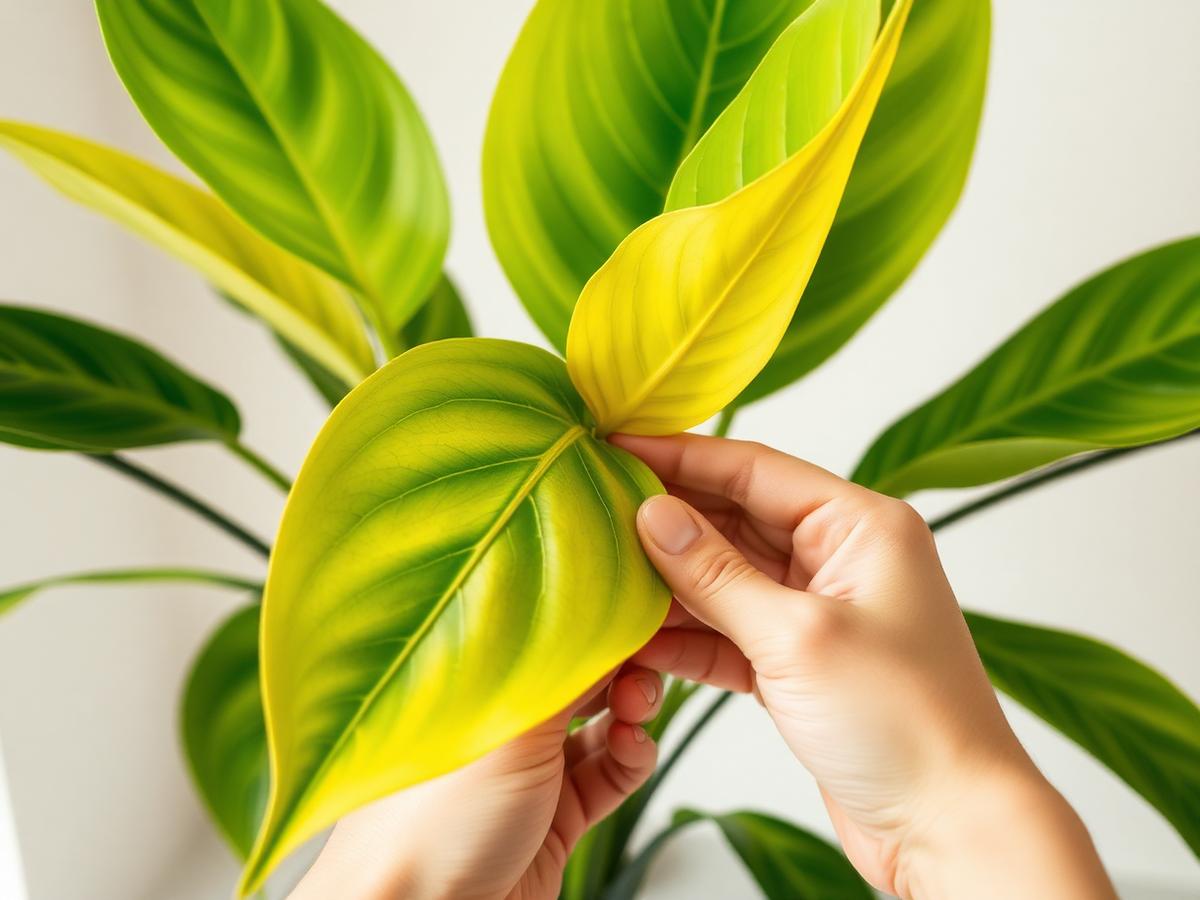
The deadly ones — Lilium and Hemerocallis
All species in the genus Lilium (Easter lily, Tiger lily, Asiatic lily, Stargazer lily, Oriental lily, Trumpet lily, Wood lily) and the genus Hemerocallis (daylilies) are acutely nephrotoxic to cats. The mechanism is not fully characterised — research at North Carolina State University and the ASPCA Animal Poison Control Center has identified that an unknown water-soluble compound in all parts of the plant (petal, leaf, stem, pollen, even vase water) damages the renal tubular cells. Within 12–72 hours, the kidneys fail.
What makes Lilium-genus lilies uniquely dangerous compared to the rest of the cat-toxic plant list is the dose and the route. A cat does not have to eat the plant — chewing one leaf, licking pollen off its fur after brushing against the flower, or drinking from a vase that held cut lilies is enough. The ASPCA Animal Poison Control Center treats every reported Lilium exposure as a medical emergency regardless of the apparent dose.
The look-alikes — what is NOT a true lily
Several common houseplants and cut flowers are called 'lily' but are not in the Lilium or Hemerocallis genera. They are toxic to cats in different ways — almost all less catastrophically.
- ·Peace lily (Spathiphyllum): contains insoluble calcium oxalate crystals. Causes mouth pain, drooling, and vomiting; not nephrotoxic. Painful but rarely fatal. See pet-safe houseplants.
- ·Calla lily (Zantedeschia aethiopica): same calcium oxalate mechanism as peace lily. Mouth and throat irritation, drooling. Not deadly in typical exposures.
- ·Lily of the Valley (Convallaria majalis): cardiac glycosides. Different and serious toxicity — affects heart rhythm, can be fatal but requires larger doses than Lilium.
- ·Peruvian lily (Alstroemeria): mildly toxic, GI upset only. Not a true lily.
- ·Lily turf (Liriope): not a lily, generally non-toxic.
- ·Water lily (Nymphaea): not a true lily, generally low toxicity.
- ·Canna lily (Canna): not a true lily, non-toxic to cats per ASPCA.
How a cat gets exposed
Exposure routes that cat owners regularly underestimate:
- ·Chewing or eating any part of the plant — petal, leaf, stem, stamen, pollen.
- ·Licking pollen off fur after brushing against the flower. Cats groom obsessively after walking past a low arrangement.
- ·Drinking vase water that held cut lilies. The toxin leaches into water within hours.
- ·Eating soil or pot debris from a potted lily.
- ·Walking through fallen pollen and grooming feet.
Symptoms and the timeline
Lilium toxicity has a deceptive course — early symptoms look mild, while the underlying kidney damage progresses. A cat that seems to recover after the first 12 hours may be deteriorating internally.
- 10–6 hours: vomiting, drooling, lethargy, loss of appetite. May be subtle.
- 26–18 hours: continued vomiting, increased thirst, increased urination as kidneys try to compensate.
- 318–48 hours: oliguria (greatly reduced urine output) as kidneys begin to fail. Severe lethargy. This is the inflection point — survival drops sharply after this.
- 448–72 hours: full anuria (no urine), uraemia, seizures. Without aggressive IV treatment, death follows.
Emergency protocol — if a cat has been exposed
Treat any Lilium or Hemerocallis exposure as an emergency. Survival rates are excellent (90%+) when IV fluid therapy starts within 18 hours of exposure and drop sharply after that.
- 1Call an emergency vet immediately. Do not wait for symptoms — by the time symptoms are severe, kidney damage is advanced.
- 2Bring the plant or a clear photograph. Identification matters. A true Lilium or Hemerocallis triggers a different protocol than a peace lily.
- 3If contact was within 1 hour and the cat is alert, the vet may induce vomiting to reduce absorption.
- 4Activated charcoal is sometimes given to bind remaining toxin in the GI tract.
- 5IV fluids for 48–72 hours are the standard treatment. The fluids flush the kidneys and dilute the toxin. Bloodwork (creatinine, BUN, SDMA) is monitored every 12–24 hours.
- 6Do not try home remedies. No charcoal pills, no inducing vomiting at home, no waiting to see if symptoms develop. The window matters too much.
If you have cats — what to do about lilies
The American Veterinary Medical Association and the ASPCA both recommend that homes with cats not have any Lilium or Hemerocallis species — potted, cut, or in arrangements. The risk is too disproportionate to the reward. Cut-flower bouquets that include lilies (very common in florist-mixed arrangements) are one of the most frequent exposure sources because owners do not realise lilies are mixed in.
When ordering flowers, specify 'no lilies'. When receiving an arrangement as a gift, inspect for any Lilium or Hemerocallis stems before placing the vase. If a friend or relative is sending flowers to a cat household, the pet-safe plants gift guide covers cat-safe alternatives that look similar — Phalaenopsis orchids, gerbera daisies, sunflowers.
Cat-safe alternatives that look like lilies
If you love the look of lilies, these are visually similar species that are not toxic to cats per the ASPCA database.
- ·Phalaenopsis orchids — long-lasting blooms, completely non-toxic.
- ·Gerbera daisies — bold colours, similar visual impact, non-toxic.
- ·Roses — non-toxic, classic.
- ·Sunflowers — non-toxic, dramatic blooms.
- ·Snapdragons — non-toxic, vertical bloom shape similar to lily stems.
- ·Petunias — non-toxic, mass-bloom alternative.
What about dogs?
Lilium and Hemerocallis are NOT acutely nephrotoxic to dogs in the way they are to cats. Dogs that eat true lilies usually develop mild GI upset (vomiting, diarrhoea) and recover without renal damage. This is a species-specific toxicity — something about feline kidney metabolism makes the unidentified Lilium toxin uniquely lethal. Dogs are still at risk from Lily of the Valley (cardiac glycosides) and from other plants on the pet-toxic list.
Even in a dog-only home, ingestion warrants a call to a vet — but it is not the 18-hour-window emergency that it is for cats.