If your pet just chewed a leaf: 60-second decision guide
First, identify the plant if possible — take a photo, pull up the label, or check your receipt. Then match it against the high-risk list in this section. The right response depends almost entirely on the species.
- 1Lily (Lilium or Hemerocallis) + cat → emergency vet now. Even pollen or water from the vase can cause fatal kidney failure.
- 2Sago palm + dog or cat → emergency vet now. Every part of the plant is toxic, seeds most of all.
- 3Dieffenbachia, calla lily, or other calcium-oxalate aroids + any pet showing severe symptoms → vet within hours.
- 4Pothos, monstera, philodendron, peace lily + mild drooling only → rinse pet's mouth, offer water, monitor 24h. Call poison control if symptoms worsen.
- 5Any plant + collapse, seizures, persistent vomiting, or bloody stool → emergency vet regardless of species.
- 6Unknown plant + any symptoms → call poison control with a photo ready.
The 5 most dangerous common houseplants
Severity matters — "toxic" covers a huge range from mild mouth irritation to fatal organ damage. If you have pets, the plants in this section are the ones worth avoiding entirely. The others can often be managed with placement (see "Keeping plants and pets safely" below). If you are choosing a plant to gift, our best plants to gift for Mother's Day guide flags the pet-safe picks first and lists the four common florist gifts (true lilies, kalanchoe, cyclamen, sago palm) that should never enter a pet household.
- ·True lilies (Lilium) and daylilies (Hemerocallis): severe kidney toxicity in cats. Even licking pollen or drinking vase water is dangerous. Avoid entirely if you own a cat.
- ·Sago palm (Cycas revoluta): cycasin toxin causes liver failure and is often fatal to dogs and cats. Seeds are the most toxic part but no part is safe.
- ·Dieffenbachia ("dumb cane"): extremely high calcium oxalate concentration. Causes intense oral pain, swelling, and occasional airway obstruction.
- ·Oleander (Nerium oleander): cardiac glycosides cause heart arrhythmias. Uncommon as a houseplant but occasionally sold.
- ·Castor bean (Ricinus communis): ricin toxin — highly lethal. Occasionally sold as an ornamental houseplant.
Mildly toxic — the common ones most households have
These plants are classed as toxic by the ASPCA and similar bodies, but typical exposures cause only mild symptoms — drooling, lip-licking, mouth irritation, and sometimes vomiting — that resolve within 12–24 hours. All contain insoluble calcium oxalate crystals, which cause immediate discomfort but rarely serious harm. The unpleasant sensation usually discourages pets from taking more than a small test bite.
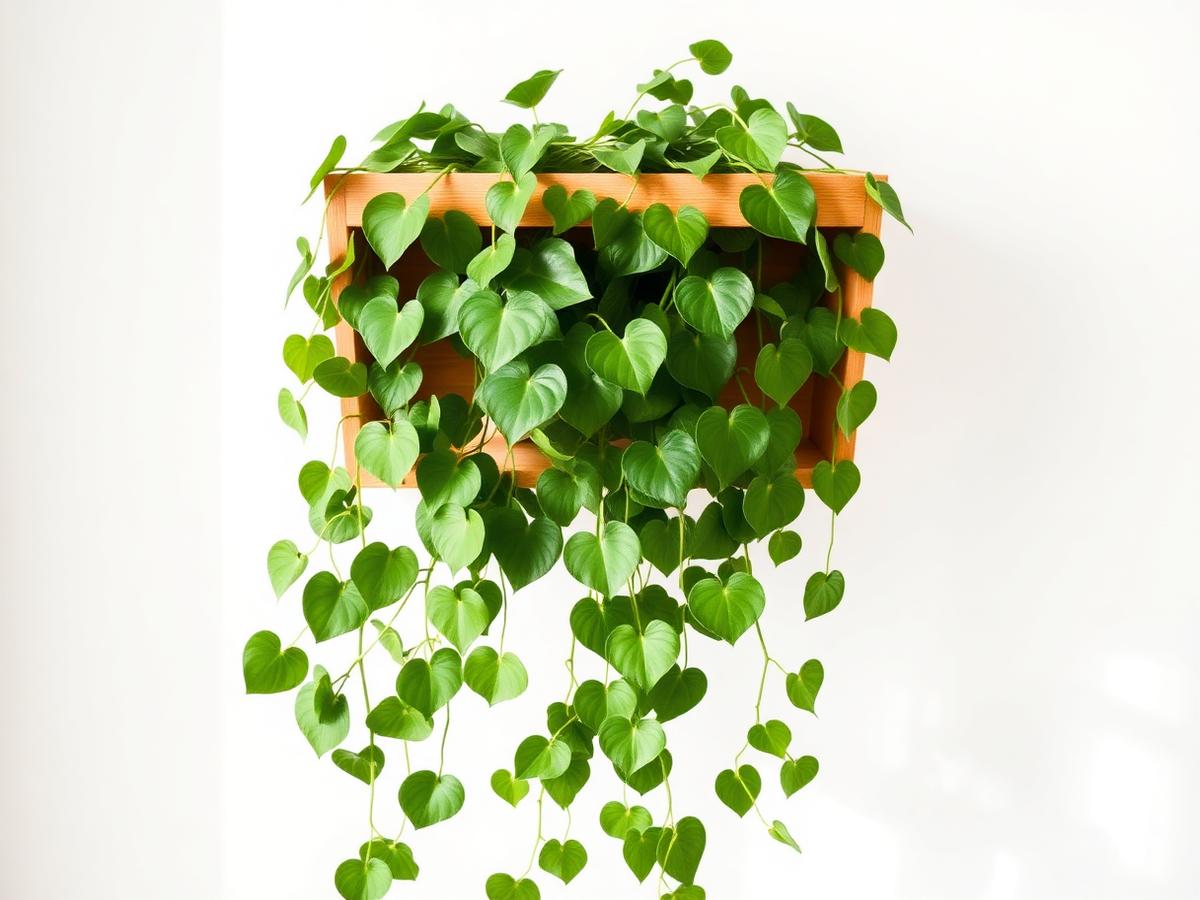
- ·Pothos (Epipremnum aureum) — mouth irritation, drooling, vomiting. See the full pothos care guide.
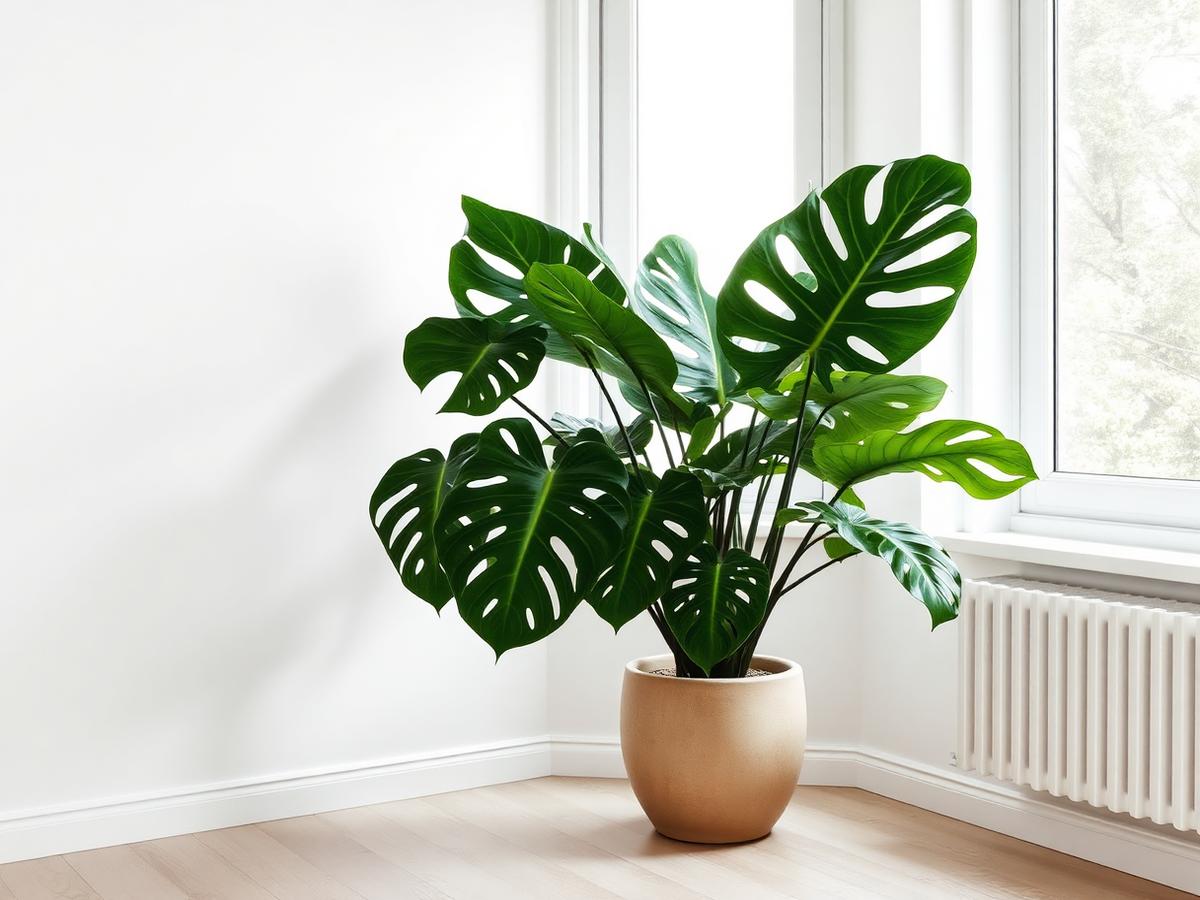
- ·Monstera deliciosa — same symptoms; see the monstera care guide and our monstera identification guide.
- ·Philodendron (all species) — mouth irritation and drooling.
- ·Peace lily (Spathiphyllum) — despite the name, NOT a true lily; causes mouth irritation, not kidney failure.
- ·ZZ plant (Zamioculcas zamiifolia) — mild calcium oxalate, drooling and vomiting.
- ·Snake plant (Dracaena trifasciata) — saponins cause mild vomiting in dogs and cats.
- ·Aloe vera — the gel is fine, but the outer leaf causes vomiting and diarrhea.
- ·Jade plant (Crassula ovata) — unknown toxin; vomiting, lethargy, occasional ataxia.
- ·Rubber plant (Ficus elastica) — milky sap irritates mouth and skin.
- ·Calla lily (Zantedeschia) — not a true lily; high calcium oxalate, severe oral pain.
Completely pet-safe popular houseplants
For every toxic houseplant, there's a non-toxic alternative with a similar look. These species are listed by the ASPCA as non-toxic to cats and dogs — pets can still experience mild digestive upset from eating large quantities (as with any plant matter), but there is no toxic compound at play.
- ·Spider plant (Chlorophytum comosum) — as forgiving as pothos, completely pet-safe.
- ·Boston fern (Nephrolepis exaltata) — lush green trailer, non-toxic.
- ·Calathea and maranta (Calathea, Goeppertia, Maranta) — decorative leaves, non-toxic. See the calathea care guide.
- ·Parlour palm (Chamaedorea elegans) — the classic non-toxic palm.
- ·Areca palm (Dypsis lutescens) — a larger non-toxic palm.
- ·African violet (Saintpaulia) — compact flowering plant, pet-safe.
- ·Prayer plant (Maranta leuconeura) — patterned foliage, non-toxic.
- ·Peperomia (most species) — pet-safe and forgiving.
- ·Hoya carnosa — a classic vine, non-toxic.
- ·Orchids (Phalaenopsis) — non-toxic to cats and dogs.
- ·Cast iron plant (Aspidistra elatior) — shade-tolerant, non-toxic.
- ·Christmas / Easter cactus (Schlumbergera) — non-toxic, seasonal blooms.
- ·Bromeliads — most are non-toxic.
- ·Baby's tears (Soleirolia soleirolii) — ground-cover plant, pet-safe.
Plant-by-plant reference: toxicity at a glance
Here's the 40-plant quick-scan reference. Severity ratings refer to typical clinical outcomes based on ASPCA and peer-reviewed veterinary toxicology data. "Toxic" without a severity note means mild oral irritation, drooling, and occasional vomiting.
- ·Aloe vera — toxic (mild) to cats and dogs.
- ·African violet — safe for cats and dogs.
- ·Air plant (Tillandsia) — safe.
- ·Anthurium — toxic (calcium oxalate).
- ·Areca palm — safe.
- ·Bamboo palm — safe.
- ·Begonia — toxic (calcium oxalate, soluble form).
- ·Bird of paradise (Strelitzia) — toxic (mild).
- ·Boston fern — safe.
- ·Bromeliad — safe.
- ·Cactus (most true cacti) — safe chemically, but spines cause mechanical injury.
- ·Calathea — safe.
- ·Calla lily (Zantedeschia) — toxic (high calcium oxalate).
- ·Cast iron plant — safe.
- ·Chinese evergreen (Aglaonema) — toxic (calcium oxalate).
- ·Christmas cactus — safe.
- ·Croton — toxic (mild).
- ·Dieffenbachia — toxic (severe calcium oxalate).
- ·Dracaena (all species) — toxic (saponins).
- ·English ivy (Hedera helix) — toxic.
- ·Fiddle leaf fig (Ficus lyrata) — toxic (irritant sap). See the fiddle leaf fig guide.
- ·Hoya — safe.
- ·Jade plant — toxic (unknown mechanism, mild to moderate).
- ·Lily (Lilium, Hemerocallis) — SEVERE in cats, can cause kidney failure.
- ·Lily of the valley — toxic (cardiac glycosides, serious).
- ·Monstera (all species) — toxic (calcium oxalate).
- ·Orchid (Phalaenopsis) — safe.
- ·Oleander — toxic (cardiac glycosides, severe).
- ·Parlour palm — safe.
- ·Peace lily (Spathiphyllum) — toxic (calcium oxalate, not a true lily).
- ·Peperomia — safe.
- ·Philodendron — toxic (calcium oxalate).
- ·Pothos (Epipremnum) — toxic (calcium oxalate).
- ·Prayer plant (Maranta) — safe.
- ·Rubber plant (Ficus elastica) — toxic (mild).
- ·Sago palm (Cycas revoluta) — SEVERE, often fatal.
- ·Schefflera — toxic (mild to moderate).
- ·Snake plant — toxic (mild saponins).
- ·Spider plant — safe.
- ·Succulents (most) — safe chemically, some exceptions (e.g., kalanchoe is toxic).
- ·Swiss cheese plant (Monstera adansonii) — toxic (calcium oxalate).
- ·Tradescantia — toxic (mild dermatitis).
- ·Venus flytrap — safe.
- ·ZZ plant — toxic (mild calcium oxalate).
How calcium oxalate toxicity actually works
Most "toxic" houseplants on this list — monstera, philodendron, pothos, peace lily, dieffenbachia, ZZ — share one toxin class: insoluble calcium oxalate crystals, which form microscopic needle-like raphides in the plant's tissue. When a pet chews a leaf, the crystals embed in the soft tissue of the mouth and throat, causing immediate pain, drooling, and inflammation. The plant cells also release a proteolytic enzyme that amplifies the burning sensation.
The pain is usually enough to stop the pet from swallowing more than a small amount, and systemic toxicity is rare. Symptoms typically peak within 30 minutes and resolve within 12–24 hours. Call poison control or your vet if swelling affects breathing, if vomiting persists beyond a few hours, or if your pet refuses to eat or drink the next day.
Why lilies are uniquely dangerous for cats
True lilies in the genus Lilium (Easter lily, tiger lily, Asiatic lily, oriental lily) and Hemerocallis (daylilies) are a special category: they are acutely nephrotoxic to cats through a mechanism still not fully understood. Every part of the plant — petals, leaves, pollen, even the water in the vase — is dangerous. A cat that chews a single leaf, licks pollen off its fur, or drinks from a lily vase can develop acute kidney failure within 24–72 hours. Without aggressive treatment (IV fluids, sometimes dialysis) the mortality rate is high.
Dogs are much less sensitive to true lilies — they can cause mild gastrointestinal upset but not the same kidney-destroying reaction. If you have any cat in the household, do not bring true lilies into the home, even as cut flowers, even in a vase the cat can't reach. Peace lily (Spathiphyllum) is NOT a true lily despite the name, and causes only mild mouth irritation. Calla lily (Zantedeschia) is also not a true lily and also only causes mild oral toxicity.
Why sago palm is uniquely dangerous for dogs
Sago palm (Cycas revoluta), sometimes sold as a houseplant or a bonsai, contains cycasin — a toxin that causes severe liver damage. Every part of the plant is toxic, but the seeds (large orange-brown "nuts") are the most concentrated and are the most common source of accidental poisoning in dogs. Even a single seed can cause fatal liver failure. Symptoms appear within 15 minutes to several hours: vomiting, bloody diarrhea, lethargy, jaundice, and seizures.
If you have a dog that chews on plants, do not keep a sago palm in the house. If ingestion is suspected, go directly to an emergency vet — decontamination and aggressive supportive care within the first 2–6 hours give the best outcomes. Mortality without treatment is approximately 50%.
Keeping plants and pets safely in the same home
For the mildly toxic plants on the list above, total avoidance isn't the only option. Most pets ignore houseplants completely, and mild calcium-oxalate irritation is usually a one-time learning experience. Practical strategies:
- ·Elevate plants out of reach — tall shelves, ceiling hooks, wall-mounted planters.
- ·Bitter-tasting pet deterrent sprays (Bitter Apple and similar) applied to leaves discourage repeat chewing.
- ·Provide cats with edible alternatives — cat grass, cat nip, silvervine — to satisfy the chewing urge.
- ·Cover soil with decorative stones or mesh so dogs can't dig and eat soil or roots.
- ·Keep the most dangerous plants (lilies, sago palm, dieffenbachia, oleander) out of the house entirely if pets roam freely.
- ·Know your emergency numbers — save them in your phone before you need them.
When to call poison control or a vet
Most plant nibbling incidents don't need an ER visit, but there are situations where immediate professional input matters. Err on the side of calling — poison helplines exist specifically for this.
- ·Any lily exposure in a cat, even pollen or vase water — emergency vet immediately.
- ·Any sago palm exposure in a dog — emergency vet immediately.
- ·Seizures, collapse, loss of balance, or rapid breathing — emergency vet regardless of plant.
- ·Persistent vomiting, bloody vomit, bloody stool, or refusal to drink water beyond a few hours — vet visit.
- ·Facial swelling, excessive drooling, or difficulty swallowing — same-day vet visit.
- ·Mild drooling and a brief episode of vomiting that resolves in 30 minutes — typically safe to monitor.