What "non-toxic" actually means
The ASPCA and UK Animal PoisonLine classify plants as "non-toxic," "toxic," or occasionally "mildly toxic" based on clinical outcomes when pets ingest them. "Non-toxic" means that an ingestion will not cause organ damage, neurological symptoms, or death — not that the plant is harmless to eat. Virtually any plant eaten in quantity causes vomiting, diarrhoea, or drooling simply because dogs and cats aren't built to digest plant fibre. The difference with a non-toxic plant is that you don't need an emergency vet visit; you need a towel and a quiet afternoon.
For the rest of this guide, "pet-safe" means ASPCA-listed non-toxic. Where a plant is non-toxic to one species and toxic to another (rare), that's called out. For the deeper pet safety framework, see the houseplants toxic to cats and dogs reference — this guide is the shopping list, that one is the warnings list.
The 20 safest houseplants for cats and dogs
Every plant below is confirmed non-toxic to both cats and dogs on the ASPCA database. They're also all commonly available at European and US plant shops, which matters — dozens of obscure species are technically safe but impossible to find.
- ·Spider plant (Chlorophytum comosum) — the classic: easy, trailing, ridiculously forgiving, and a perennial shop favourite. Cats are famously attracted to it; it's non-toxic but will cause some drooling if chewed.
- ·Boston fern (Nephrolepis exaltata) — the arching feathery fern beloved in Victorian parlours. Needs humidity and consistent moisture, otherwise pet-safe and graceful.
- ·Bird's nest fern (Asplenium nidus) — glossy wavy fronds from a central rosette. One of the easiest ferns indoors; tolerates lower humidity than Boston ferns.
- ·Parlour palm (Chamaedorea elegans) — ASPCA-listed non-toxic. Genuinely tolerates low light, slow-growing to 1.5 m. The pet-safe palm. See the low-light plants guide.
- ·Areca palm (Dypsis lutescens) — larger, bushier, brighter-light palm. Also non-toxic; needs a sunny room.
- ·Peperomia (various species) — fleshy leaves, compact habit, dozens of cultivars. P. obtusifolia and P. argyreia (watermelon peperomia) are both common and safe.
- ·Calathea / Goeppertia — patterned leaves that fold at night. Fussy about humidity and water quality but utterly safe. Full care in the calathea guide.
- ·Maranta leuconeura (prayer plant) — closely related to calathea, slightly tougher. Leaves lift at dusk and lower by morning. See the prayer plant ID guide for the genus differences.
- ·Pilea peperomioides (Chinese money plant / UFO plant) — round peltate leaves on delicate stems, impossible to miss on Instagram. Non-toxic and easy to propagate. See the coin plant ID guide for lookalikes.
- ·Hoya carnosa (wax plant) — thick waxy leaves, occasional star-shaped flowers. The most common trailing hoya and entirely pet-safe. See the hoya ID guide for cultivar differences.
- ·African violet (Saintpaulia / Streptocarpus) — compact rosette with velvety leaves and recurring flowers. Loved by indoor-plant traditionalists and safe.
- ·Baby's tears (Soleirolia soleirolii) — tiny round leaves forming a dense mat. Needs humidity; charming in a terrarium.
- ·Swedish ivy (Plectranthus verticillatus) — trailing with round scalloped leaves. One of the fastest-growing safe trailers; propagates from cuttings in days.
- ·Cast iron plant (Aspidistra elatior) — architectural, slow-growing, nearly indestructible. The pet-safe low-light staple.
- ·Haworthia (Haworthia attenuata and relatives) — succulent rosettes, compact enough for a desk. Safe alternative to aloe (which is toxic).
- ·Echeveria (various species) — the classic rosette succulent in every plant shop. Non-toxic, though the similar-looking aloe is not — always check the species name.
- ·Polka dot plant (Hypoestes phyllostachya) — pink- and white-speckled leaves, compact, colourful. Non-toxic and unusual-looking.
- ·Orchids (Phalaenopsis / moth orchid) — the common supermarket orchid, safe to both species. Dendrobium, cymbidium, and oncidium orchids are also listed non-toxic.
- ·Ponytail palm (Beaucarnea recurvata) — not actually a palm but a succulent. Long strappy leaves from a bulbous base. Very drought-tolerant.
- ·Christmas / Thanksgiving / Easter cactus (Schlumbergera / Rhipsalidopsis) — flowering succulents, bloom in winter with the right light cycle. Safe — but true cacti with spines should still be kept out of reach for injury risk.
Seven popular plants to avoid if you have pets
These are the houseplants that look tempting on Instagram and cause the majority of pet emergency calls. If you already own them and have a pet, they need to move to a room the animal can't access, or be rehomed.
- ·True lilies (Lilium and Hemerocallis) — every part of the plant, including pollen, is fatal to cats. Acute kidney failure within 24–72 hours of ingestion. The single most dangerous plant for cats; never bring cut lilies into a home with a cat, even briefly.
- ·Sago palm (Cycas revoluta) — fatal to dogs (liver failure); all parts toxic, the seeds especially. Sold as a decorative table plant; never keep one if you have a dog or chewing cat.
- ·Dieffenbachia (dumb cane) — oxalate crystals cause mouth and throat swelling, drooling, vomiting. Rarely fatal but very painful. Keep well out of reach.
- ·Oleander — highly toxic to everything; outdoor plant rarely kept indoors but appears in large potted indoor installations.
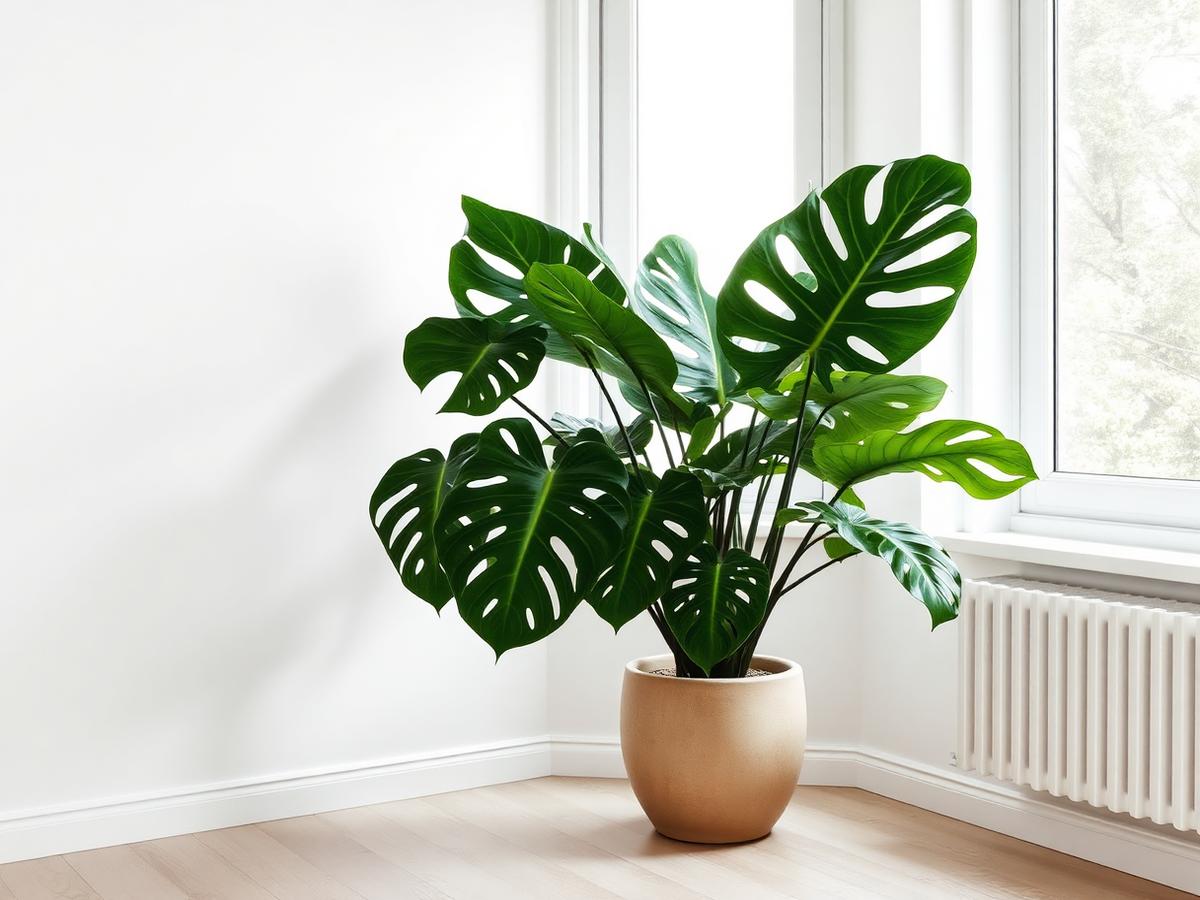
- ·Philodendron and monstera — every species. Not fatal but causes oral burning, drooling, and vomiting. Monstera deliciosa is one of the most popular houseplants in the world and also one of the most frequent pet-ingestion calls.
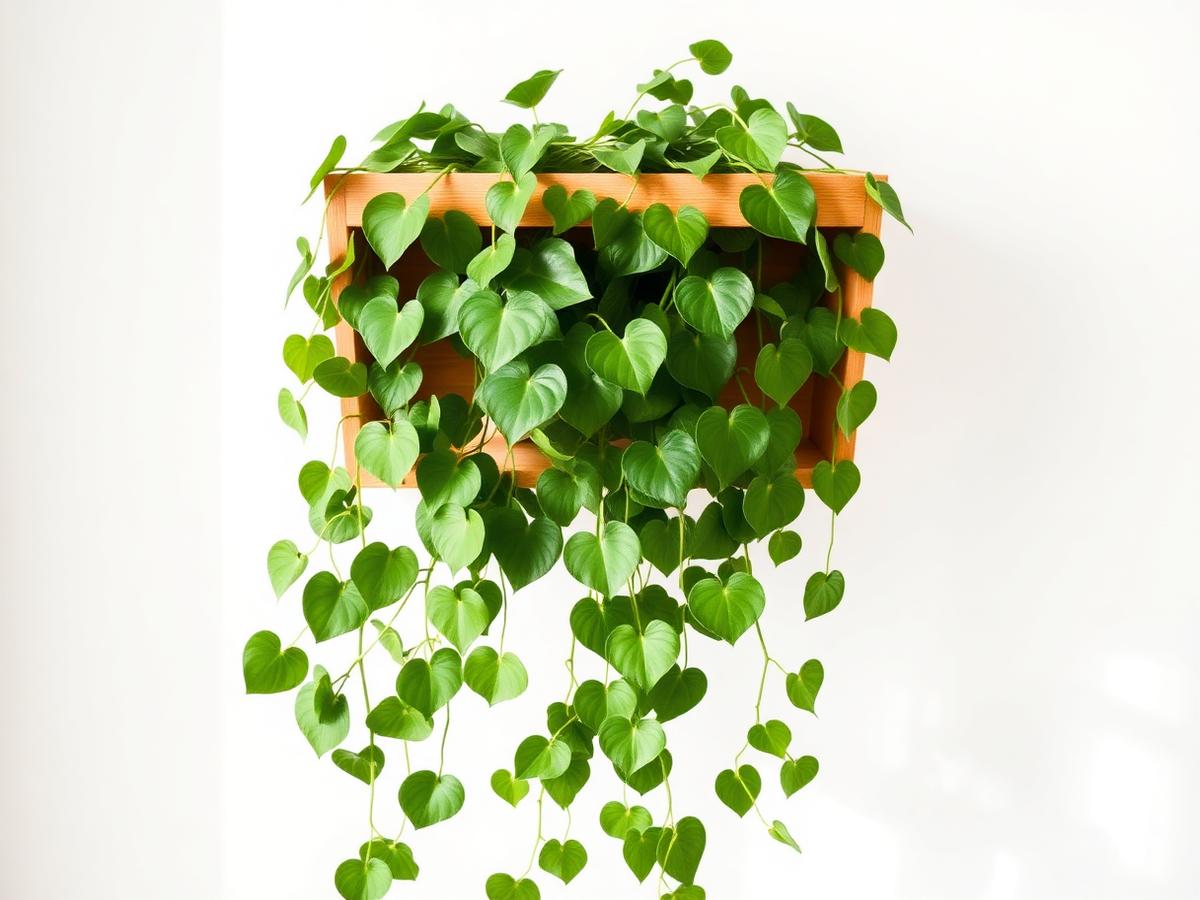
- ·Pothos (Epipremnum aureum) — same oxalate issue as philodendron, and one of the most trailing-plants-in-reach species. See the pothos care guide.
- ·Peace lily (Spathiphyllum) — confusingly named; not a true lily, but the oxalate crystals still cause painful oral irritation. Listed separately because it's often suggested as a pet-safe air-purifier — it isn't.
Why common names can still get you
Common names overlap across plants with very different toxicity. A few that regularly confuse:
- ·"Lily" — true lilies (Lilium, Hemerocallis) are fatal to cats. Peace lily (Spathiphyllum) is oxalate-toxic. Lily of the valley is cardiac-toxic. Calla lily is oxalate-toxic. ALL are dangerous; none are safe. Rule: avoid any plant with "lily" in the name unless you verify the Latin name.
- ·"Palm" — parlour palm, areca palm, ponytail palm are safe. Sago palm (not actually a palm) is fatal to dogs. Always check the Latin name before buying.
- ·"Ivy" — English ivy (Hedera helix) is toxic; Swedish ivy (Plectranthus) is safe; Devil's ivy (pothos, Epipremnum) is toxic. Three unrelated plants, same common name.
- ·"Aloe" — Aloe vera is toxic to cats and dogs (causes vomiting and lethargy), despite its reputation as medicinal for humans. Haworthia, which looks similar, is safe.
- ·"Cactus" — most true cacti are non-toxic but spines are a physical injury risk; Christmas cactus and Easter cactus (both safe and spineless) are the easier choice.
What to do if your pet eats a plant
Even non-toxic plants cause vomiting and diarrhoea if eaten in quantity. Toxic plants cause worse. If you see your pet chewing a plant, the order is:
- 1Identify the plant — use the Latin name where possible. A phone photo of the plant and the plant tag is enough for a vet.
- 2Call the relevant poison line: ASPCA Animal Poison Control (US): 888-426-4435. Animal PoisonLine (UK): 01202 509000. In the EU, call your vet or the closest 24-hour vet.
- 3Don't induce vomiting at home unless specifically instructed. With oxalate-containing plants (philodendron, dieffenbachia) vomiting makes the burning worse.
- 4Bring the plant sample (or a photo) to the vet if visit is needed — identification speeds up treatment.
- 5For non-toxic plants, expect monitoring only — most pets recover within 24 hours with mild supportive care.
Layout tips for a plant-loving household with pets
Keeping pets and plants together isn't just about species choice — placement matters. A few layout moves reduce incidents without emptying the flat of plants.
- ·Put toxic species (if you insist on keeping any) on high shelves cats and dogs can't reach. For cats, any shelf under 2.5 m is reachable; put them on the highest shelf or hang from the ceiling.
- ·Use hanging planters for trailing plants that can't be eliminated — keeps the foliage out of reach even if the pot is on a low shelf.
- ·Avoid fallen-leaf hazards: a monstera or philodendron that drops leaves onto the floor turns into a pet snack even if the main plant is out of reach.
- ·Cats chew grass because they want fibre. Dedicated pots of [cat grass](https://www.aspca.org/pet-care/animal-poison-control/toxic-and-non-toxic-plants/oat) (oat or wheat) at floor level reduce interest in shelved plants.
- ·Citrus peel in the saucer deters cats from one or two specific plants; for a whole collection, species choice is cheaper than rearranging the plant shelf every week.
Plants for curious kids as well as pets
If you have a toddler chewing on leaves alongside a kitten, the plant shortlist gets shorter but is still workable. Stick to Boston ferns, spider plants, peperomias, prayer plants, and parlour palms — all four are safe for children, cats, and dogs, and all survive being knocked off a shelf intermittently. Avoid anything with fine hairs (African violet, polka dot plant) if your child is likely to rub eyes after handling.