Diagnosis

A houseplant with soil is bone-dry and crispy, dry leaves

Soil is bone-dryCrispy, dry leaves

Based on what you've described, these are the likeliest causes — ranked. Each one carries a tell-tale sign that distinguishes it from the others, and a single-minute check to confirm.

1Most likely

Underwatering

The plant has been dry for long enough that cells have lost turgor and leaf tissue is starting to die back at the margins. Drought-tolerant species forgive this; thirsty species like peace lily or fiddle leaf fig do not.

Tell-tale sign
The pot feels unusually light when you lift it, and the leaves are crisp rather than limp.
60-second check
Lift the pot. If it feels airy and the soil has pulled away from the pot's edges, the roots are bone-dry.
2Less likely

Too much direct light (sunburn)

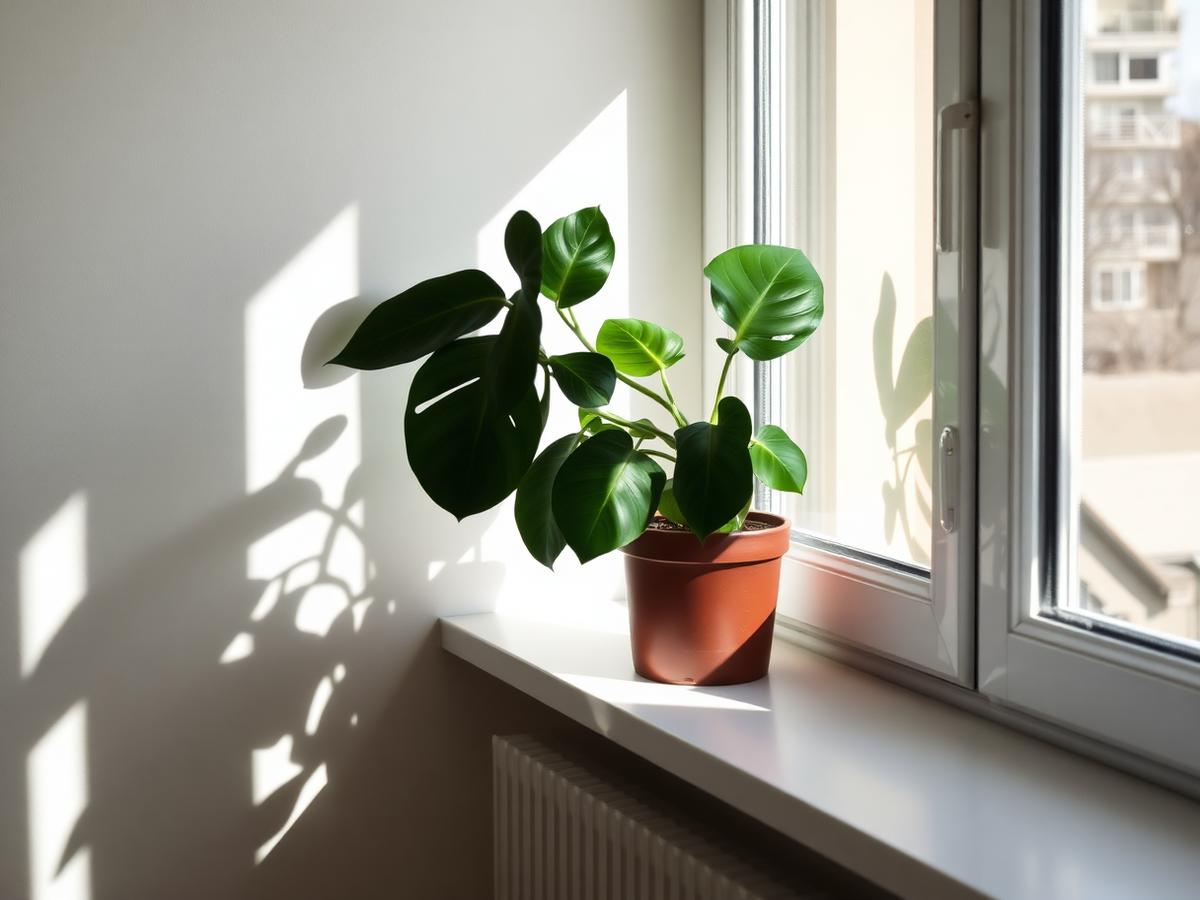
Direct sun, especially through a south- or west-facing window in summer, has bleached or scorched the leaf surface. Species adapted to forest understories (most aroids) are particularly vulnerable; desert species are not.

Tell-tale sign
Damage is confined to the side of the plant facing the window and shows up as bleached patches with crisp edges, not general yellowing.
60-second check
Check if the damaged leaves are the ones in direct sun. Move the plant two feet back from the window and watch what happens to new growth.
3Less likely

Low humidity

Indoor air, especially in winter with heating on, often sits below 30% relative humidity, and tropical species evolved for 60%+ struggle to keep their leaf edges alive. The damage is cosmetic at first and progressive if unchanged.

Tell-tale sign
Browning is sharpest at the very tip of the leaf and thinning at the edges, while the middle of the leaf stays green.
60-second check
A cheap hygrometer next to the plant will tell you in an hour. Anything under 40% is the culprit for humidity-sensitive species.
Start a new diagnosis
Canonical combo: bone-dry-soil--crispy-dry-leaves