Diagnosis

A houseplant with leggy, stretched growth and yellow leaves

Leggy, stretched growthYellow leaves

Based on what you've described, these are the likeliest causes — ranked. Each one carries a tell-tale sign that distinguishes it from the others, and a single-minute check to confirm.

1Most likely

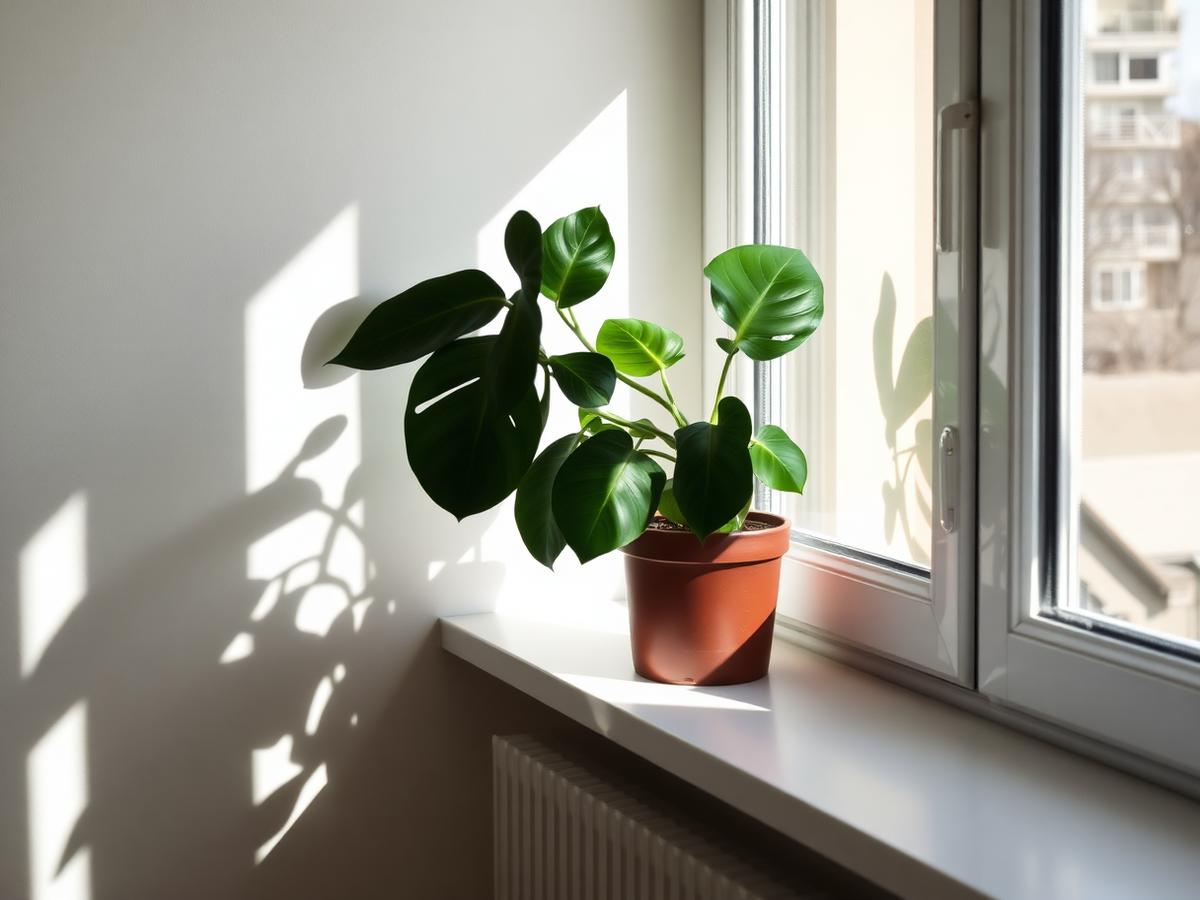
Too little light

The plant is getting less light than it needs to sustain the leaves it currently has, so it's stretching toward the nearest window and cannibalizing older growth. Low light problems show up in weeks, not days, which is why they're easy to miss.

Tell-tale sign
New growth is smaller and paler than the old leaves, and stems elongate between leaves rather than filling out.
60-second check
Hold your hand a foot above the plant at midday. If your shadow is soft-edged or barely visible, the spot is too dim.
2Also possible

Overwatering

The soil has stayed wet for too long, suffocating the roots and weakening the plant from the base up. It's the most common reason houseplants decline indoors, and it looks deceptively similar to thirst: a wilting plant in soggy soil is almost always drowning, not dry.

Tell-tale sign
Soil is wet more than an inch deep, and the lower leaves yellow or soften before the upper leaves change.
60-second check
Push a finger two inches into the soil. If it comes out cool and damp, the plant doesn't need water; it needs to dry out.
3Also possible

Root rot

Persistent soggy soil has killed part of the root system, and the fungal infection that follows is now attacking what's left. It's the advanced stage of overwatering: the plant is wilting because it physically cannot pull water up anymore, even from wet soil.

Tell-tale sign
The plant wilts even though the soil is wet, and the base of the stem feels soft or smells sour when you press it.
60-second check
Slip the plant out of its pot. Healthy roots are firm and pale; rotted roots are dark, mushy, and pull apart easily.
Start a new diagnosis
Canonical combo: leggy-stretched-growth--yellow-leaves