Why drainage holes matter (the simple physics)
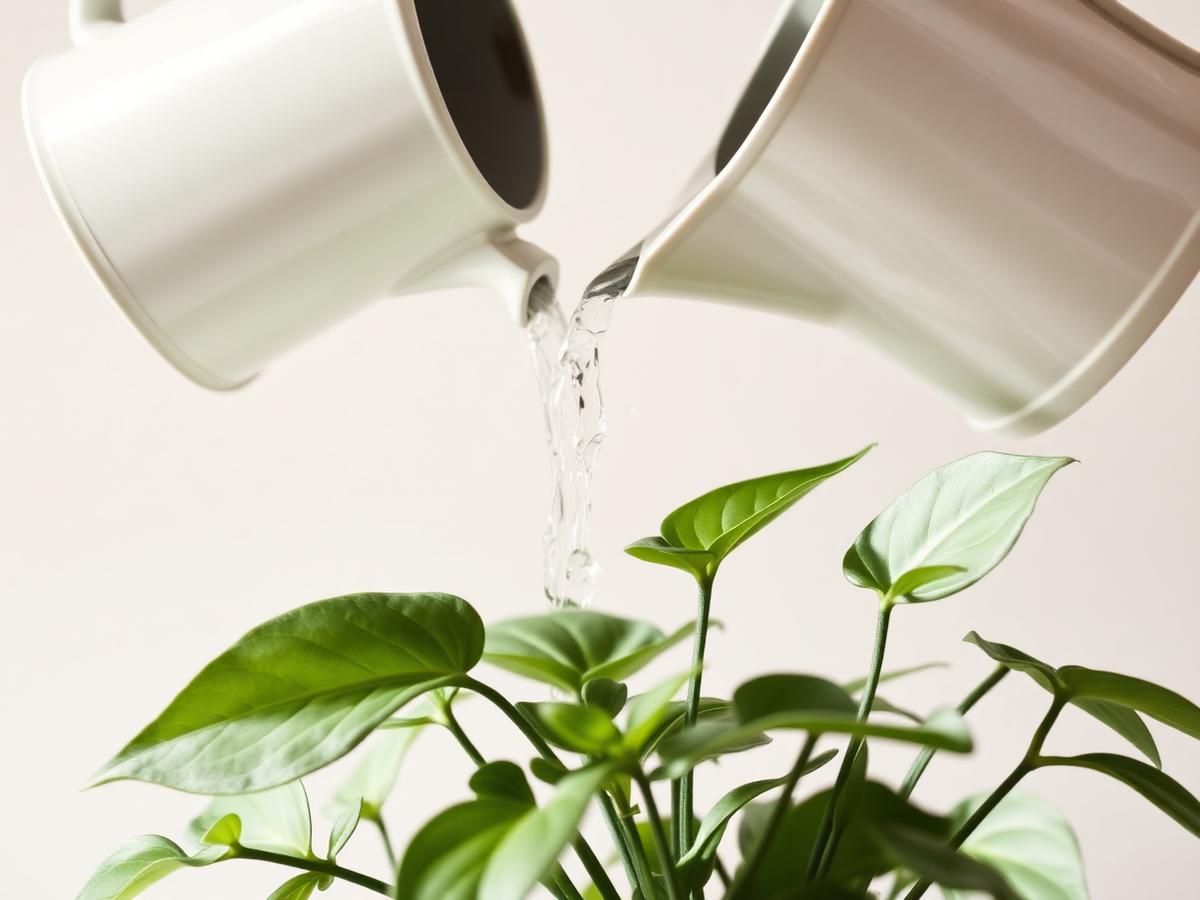
Roots need oxygen as much as they need water. In well-drained soil, water flows down through the pot, and air follows it back into the pore spaces between soil particles — this is how roots breathe. Without a drainage hole, water has nowhere to go. It accumulates at the bottom, the soil there stays saturated, and roots in that zone suffocate within days.
Once roots in the bottom 2–3 cm die, decay sets in within a week. Anaerobic bacteria release sour-smelling byproducts; the dead root tissue becomes a substrate for fungal pathogens. Two to eight weeks later — depending on plant, size, and watering frequency — the rot has progressed up the root ball and the plant either yellows, drops leaves, or topples. See root rot for the full progression.
The drainage layer myth
A widespread workaround is to add a gravel or pebble layer at the bottom of a no-hole pot, hoping water collects there and away from the roots. The physics does not support this — and decades of horticultural research confirm it. Water in soil moves through capillary action; it does not "fall" into the gravel below. Instead, the saturated zone (called a perched water table) forms at the soil-gravel interface, exactly where roots are.
Adding gravel to a no-drainage pot effectively raises the saturated zone closer to the roots. The plant fares worse than it would without the gravel. The same applies to clay pebbles, broken pottery shards, and other drainage-layer recipes. Activated charcoal is a partial exception — it absorbs some toxins from the saturated zone — but it does not solve the underlying water problem.
The cachepot method: the right way to use a no-drainage pot
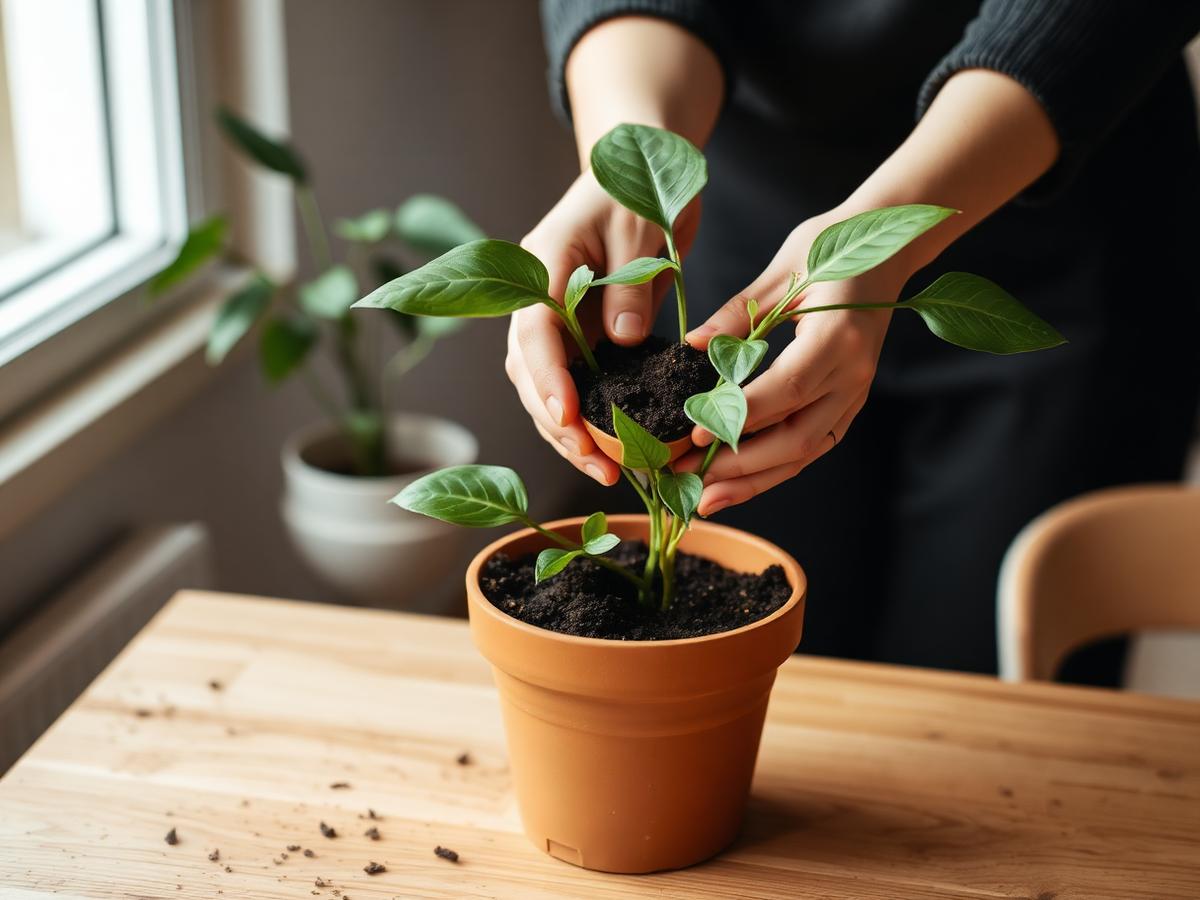
The professional setup is to keep the plant in a plain plastic nursery pot with drainage holes and place that nursery pot inside the decorative no-hole pot. The outer pot is a cover; you lift the plant out to water it. This is what every plant shop does and why their plants stay healthy in beautiful pots that no horticulturist would actually plant into.
- 1Choose an inner nursery pot 2–3 cm smaller in diameter than the decorative cachepot.
- 2Plant in the inner pot using normal soil and watering practices.
- 3Set the inner pot inside the cachepot. A small saucer or 1–2 cm of pebbles at the bottom of the cachepot keeps the inner pot off the floor of standing water.
- 4When watering, lift the inner pot out, water in the sink until 10–20% drains, let it drain for 10 minutes, then return it to the cachepot.
- 5Pour out any water that has collected in the cachepot before returning the inner pot.
Plants that genuinely tolerate no drainage
A small set of plants tolerate (or even prefer) low-drainage conditions. These can be planted directly into no-hole pots with care.
- ·Lucky bamboo (Dracaena sanderiana): grown in plain water with rocks; no soil at all.
- ·Pothos and philodendron in water culture: same idea — water-only setup with occasional fertiliser.
- ·Some semi-aquatic species (Chinese evergreen in water, peace lily occasional water-only growth).
- ·String of pearls and trailing succulents in shallow no-drainage trays — only with sparse watering.
- ·Cuttings being water-propagated — temporary by definition.
Watering technique if you must plant directly
If you have committed to planting directly into a no-drainage pot — typically because the pot is too tall for an inner cachepot or you want a streamlined look — the only way the plant survives is meticulous water control. Pour just enough to dampen the upper soil, never enough to saturate. Use a syringe or measuring cup, not a watering can. The "rule of thumb" is roughly 10% of the pot volume per watering, no more.
Even with perfect technique, salts accumulate without drainage flushing, and the plant declines over months. Plan to repot annually into fresh soil, and accept that this is a 12–24 month setup, not a permanent solution. For most plants and most owners, the cachepot method is materially less work than nurturing a no-drainage planting through the slow decline.
Drilling drainage holes in a pot you already own
If the pot is dear to you — handmade pottery, a gift, a vintage piece — drilling a drainage hole is usually possible. The risk depends on the material.
- ·Terracotta: drillable with a masonry bit, slow speed, water cooling. Reliable.
- ·Unglazed ceramic: similar to terracotta, slightly riskier from chipping.
- ·Glazed ceramic: requires a diamond-tipped bit and constant water; chip risk on the glaze around the hole.
- ·Concrete and stone: drillable with masonry bit; the easiest of the lot.
- ·Glass and crystal: do not attempt without specialist diamond bits and a wet drill setup.
- ·Metal: drillable but introduces rust risk over time; line with plastic before planting.
Common signs your plant is suffering from no drainage
If you have a plant in a no-drainage pot and want to assess its condition, check for these symptoms in order of how early they appear.
- ·Faintly sour or musty smell from the soil surface — first sign, often within 2–3 weeks.
- ·Lower leaves yellowing softly, not crispy — see yellow leaves diagnostic.
- ·Soil staying dark and damp 7+ days after watering, even with sparse watering.
- ·Stem feeling soft at the base when pressed gently.
- ·White-grey mould on the soil surface — saprophytic, harmless to the plant but a sign of saturated soil.
- ·Fungus gnats — they breed in soil that stays consistently moist. See fungus gnats.
When the no-drainage pot wins
There are two situations where a no-drainage container is genuinely the right choice. First, terrariums and bottle gardens — sealed or near-sealed environments where the moisture cycle stays internal and you intentionally never water at all. Second, hydroculture and self-watering systems where the design accounts for water level. Both are different setups with their own rules; if you want to grow plants in containers without drainage, study those systems rather than fighting standard houseplant biology.