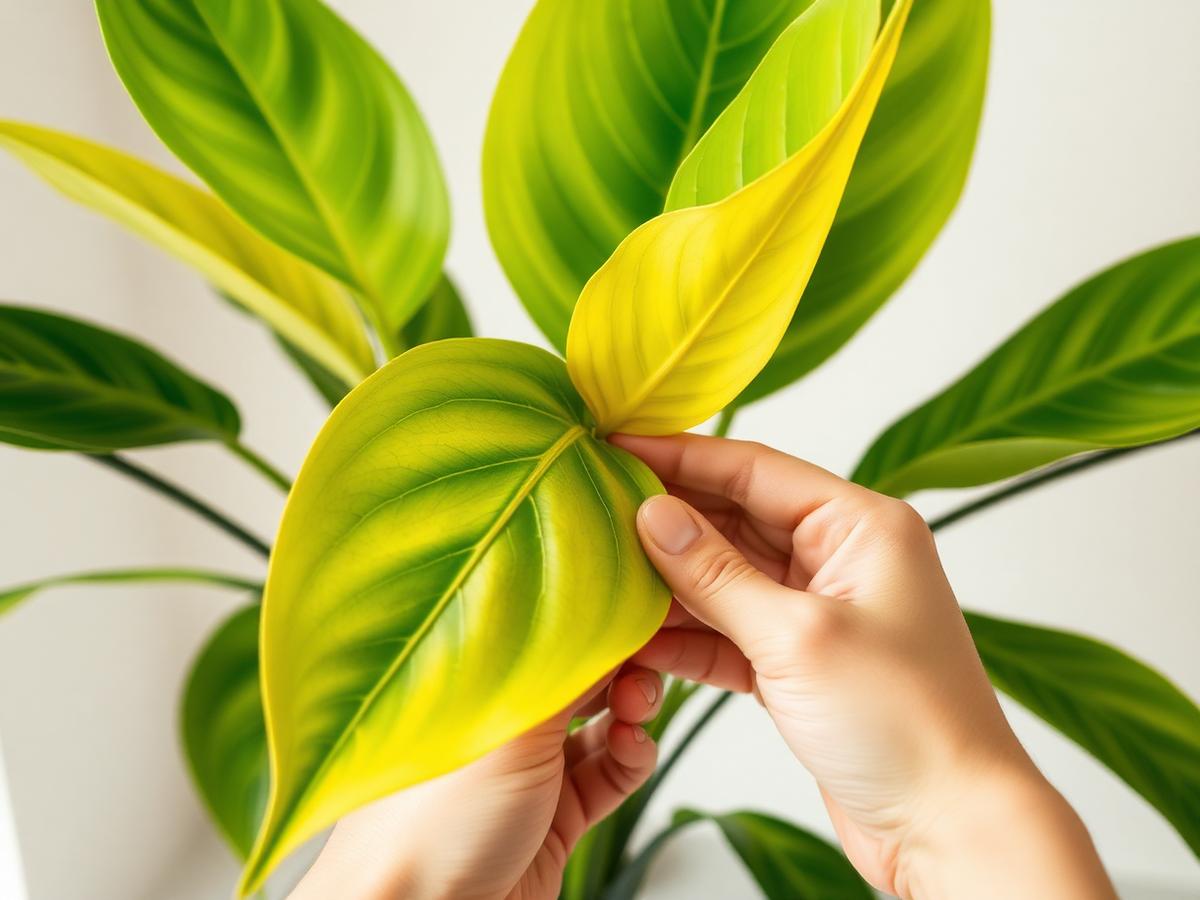
Dormancy vs death — what is actually happening inside the plant
Dormancy is a survival strategy, not a malfunction. When conditions become unfavourable — cold, dry, low-light, end of growth season — the plant pulls energy and chlorophyll back into its core (rhizome, tuber, or main stem) and lets the leaves die off. The leaves are the disposable part; the energy reserve is what survives. As soon as conditions improve, new growth pushes from the reserve and the plant rebuilds.
Death is the loss of the reserve itself. A dead plant has no living tissue anywhere — stems are brown through, roots are black and mushy, growing points are dry and brittle. The difference between dormancy and death is whether the energy core is intact, and that is exactly what the scratch test reveals.
Test 1 — the scratch test (5 seconds)
The fastest reliable test for whether any woody or semi-woody plant is alive. With a fingernail or the back of a knife, gently scrape a small patch of the outer stem or bark — 3–5 mm wide is enough.
- 1Bright green underneath = alive and healthy. The cambium layer is active.
- 2Pale green or white-green underneath = alive but dormant or stressed. Recoverable.
- 3Brown or grey underneath, fibrous = dead at that point. Move down the stem and try again.
- 4Brown all the way to the base = dead from the top down. Check the roots before declaring the whole plant gone.
Test 2 — the root check (2 minutes)
If the stems are inconclusive — too soft to scratch, or all brown above ground — pull the plant from its pot and look at the roots. This works especially well for plants that die back to the soil line in dormancy: caladium, alocasia, oxalis, Christmas cactus, peace lily.
Healthy dormant roots are white to pale tan, firm, and smell of clean soil. Dormant rhizomes or tubers (caladium, alocasia, ZZ) are firm to the touch and slightly plump. Dead roots are black or dark brown, mushy when pinched, slough off easily, and smell sour or sulphurous. A plant with even 20% firm roots and a recognisable rhizome is usually recoverable. Full recovery protocol once roots are inspected lives in root rot in houseplants.
Test 3 — find the growing points
Every plant has growing points (meristems) — the tiny clusters of undifferentiated cells where new leaves and stems originate. On houseplants, these are usually visible as small bumps or eyes at leaf nodes, the base of the stem, or at the rhizome.
Look for any green, plump, or just-emerging growing point. A monstera or pothos has clear nodes along the stem; an alocasia has a corm under the soil with visible eyes; a Christmas cactus has small green points at the segment joints. If even one growing point is plump and shows any green, the plant is alive and capable of regrowing. If every node is dry, brown, and brittle, the plant is gone.
What different houseplants look like dormant
Knowing the dormant appearance of common houseplants prevents the mistake of throwing out a perfectly healthy plant. Some species disappear completely above ground for months and reappear when triggered.
- ·Caladium: dies back to the soil entirely from autumn to spring. The tuber stays firm. Resume watering when warmth returns and new shoots appear within 4–8 weeks.
- ·Alocasia: drops all leaves in winter when stressed by cold or drought. The corm survives underground. Cut dead leaves, reduce watering, wait for spring.
- ·Christmas cactus (Schlumbergera): looks limp and dehydrated after blooming. This is recovery dormancy — water lightly and wait.
- ·Oxalis triangularis: leaves close and drop after a flowering cycle. The bulbs in the soil are intact; resume watering after a 4–6 week rest.
- ·Peace lily: complete collapse from severe drought. Often recovers within hours of bottom-watering — looks dead, isn't.
- ·Hardy succulents (jade, kalanchoe): shrivelled, soft leaves can be drought response, not death. Bottom-water and wait.
Recovery protocol — bringing a dormant plant back
Once you have confirmed the plant is alive, the goal is to remove the dormancy trigger and let the plant decide when to push new growth. Forcing growth too aggressively kills more dormant plants than the original stress did.
- 1Move the plant to a bright, warm spot — bright indirect light, 18–24°C. Avoid direct sun on a stressed plant; the leaves will not be there to handle it.
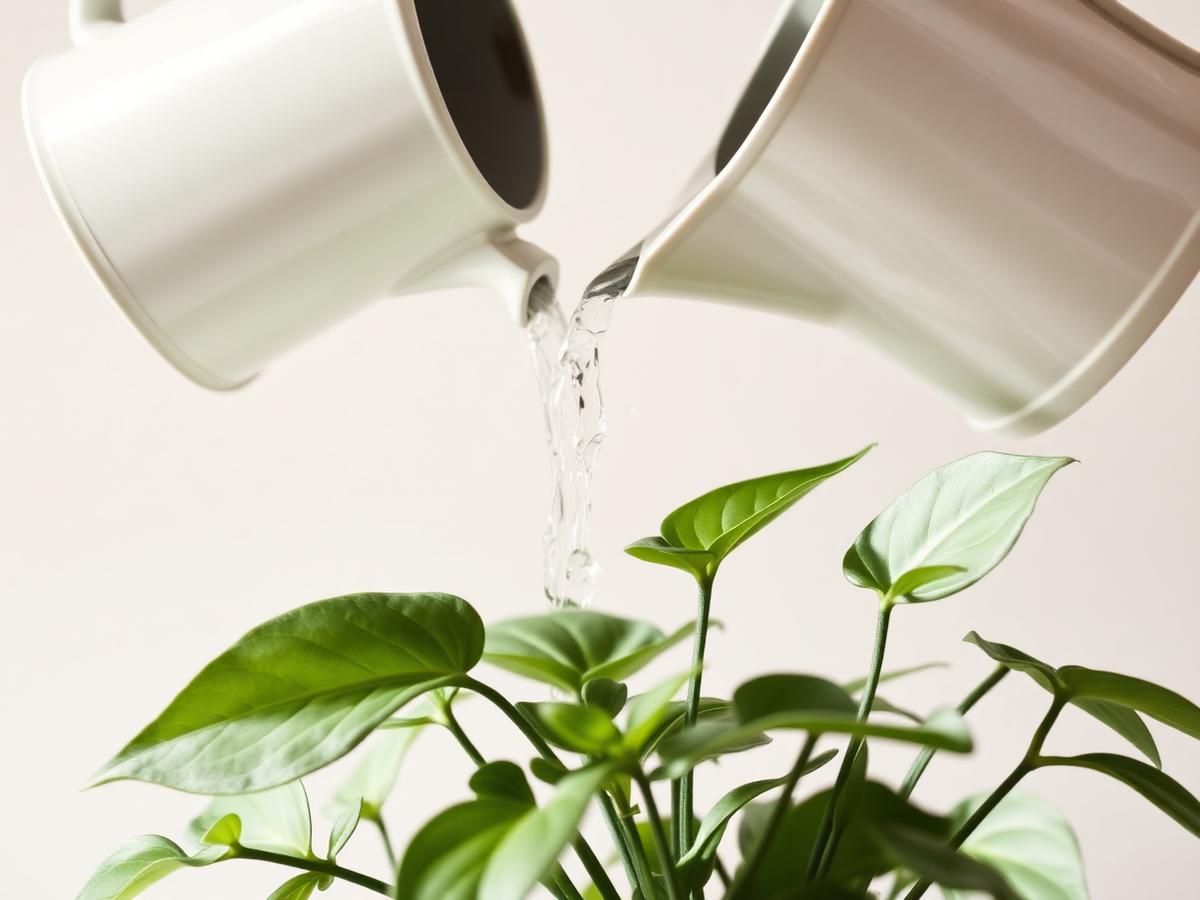
- 2Water sparingly. The plant has reduced root activity and cannot move much water. Top 5 cm of soil dry between waterings.
- 3Do not fertilise for at least 4–6 weeks. Damaged or low-activity roots cannot tolerate salt loads.
- 4Cut away any clearly dead stems above the highest live tissue. Leave the rest — the plant will tell you what it can rebuild.
- 5Wait. Most dormant houseplants begin showing new growth within 4–8 weeks of conditions improving. Some (caladium, alocasia) take longer if the dormancy is seasonal.
The three signs the plant is genuinely dead
Sometimes a plant is gone, and the kindest thing is to compost it and move on. Three signs together confirm it.
- ·Stem brown all the way through. A scratch at every height returns brown, fibrous tissue. The cambium is dead from top to bottom.
- ·Roots black, mushy, smelly throughout. No firm white tissue anywhere on the root system, no recognisable rhizome or tuber.
- ·No green growing points. Every node is dry, papery, brittle. Bending a node snaps it cleanly with no flex.
When in doubt — wait six weeks
If the tests are inconclusive but the plant has any plausibly green tissue or any firm root, the right move is patience. Place the plant in conditions that match its native dormancy break (warm and bright for tropicals; cool and dim for temperate species), water sparingly, and check weekly for 6–8 weeks. Most plants given up for dead recover in this window. The ones that do not lose nothing by being given the time.
If a propagation is possible from any remaining healthy stem segment, take it as insurance — see how to propagate houseplants for the protocols. A cutting taken before the plant fully declines often becomes a stronger plant than the parent would have been.