Normal acclimation drop vs abnormal drop
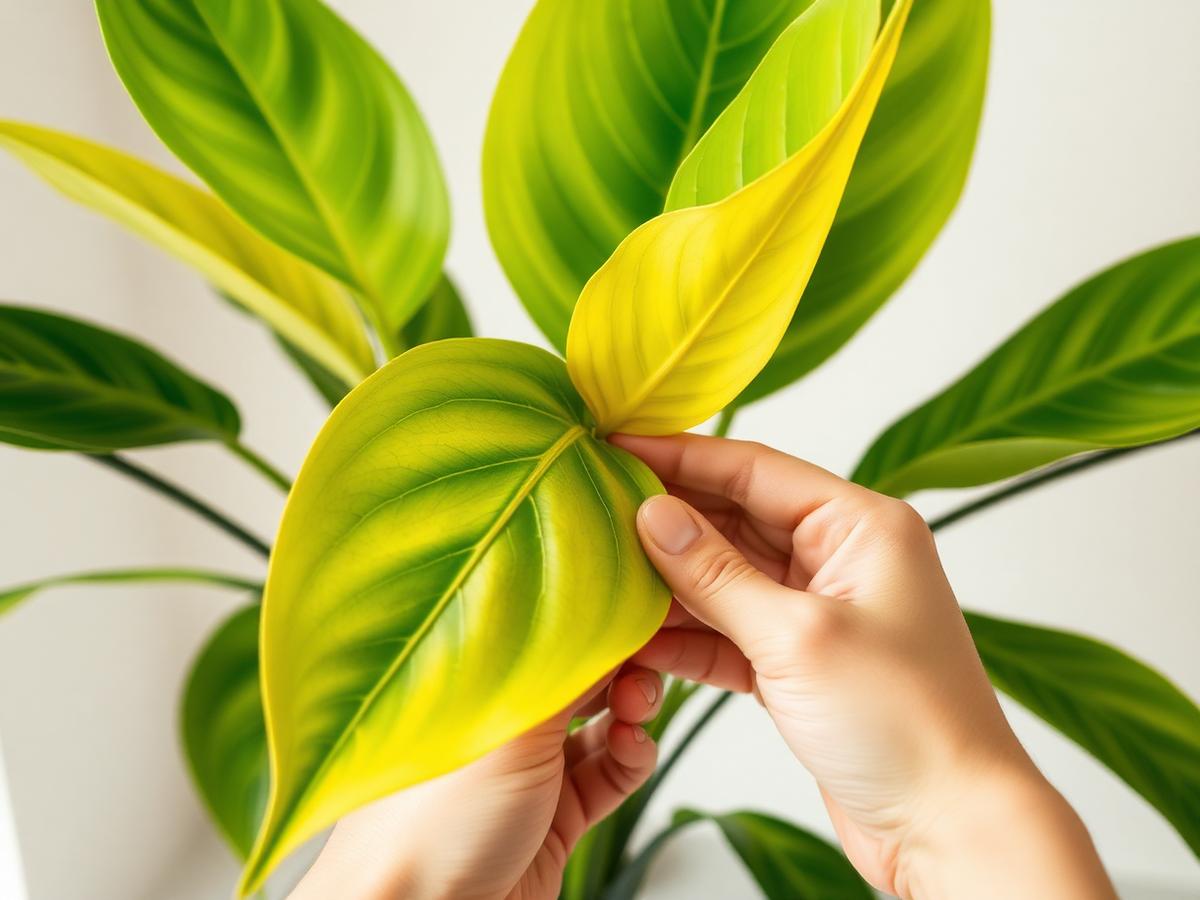
Normal acclimation drop follows a pattern. The oldest leaves — the lowest or outermost ones — yellow first, then drop. Usually 2–5 leaves over 2 weeks, with new growth continuing at the tip. No leaves from the top or middle drop, and the ones that fall come off easily with a slight tug.
Abnormal drop breaks that pattern. Leaves from the middle or top of the plant fall. New growth drops before it fully expands. Leaves come off with stems attached, or drop green without yellowing first. More than a quarter of the foliage is lost in under 3 weeks. Any of those signatures means the plant is signalling a specific problem rather than adjusting.
- ·Normal: older, lower leaves yellow slowly, drop 2–5 over 2 weeks.
- ·Abnormal: leaves drop from mid-canopy or growth tip.
- ·Abnormal: leaves drop green (no yellowing first).
- ·Abnormal: leaves fall with stem or petiole attached.
- ·Abnormal: more than 25% of the plant's foliage in 2–3 weeks.
Cause 1 — overwatering / early root rot
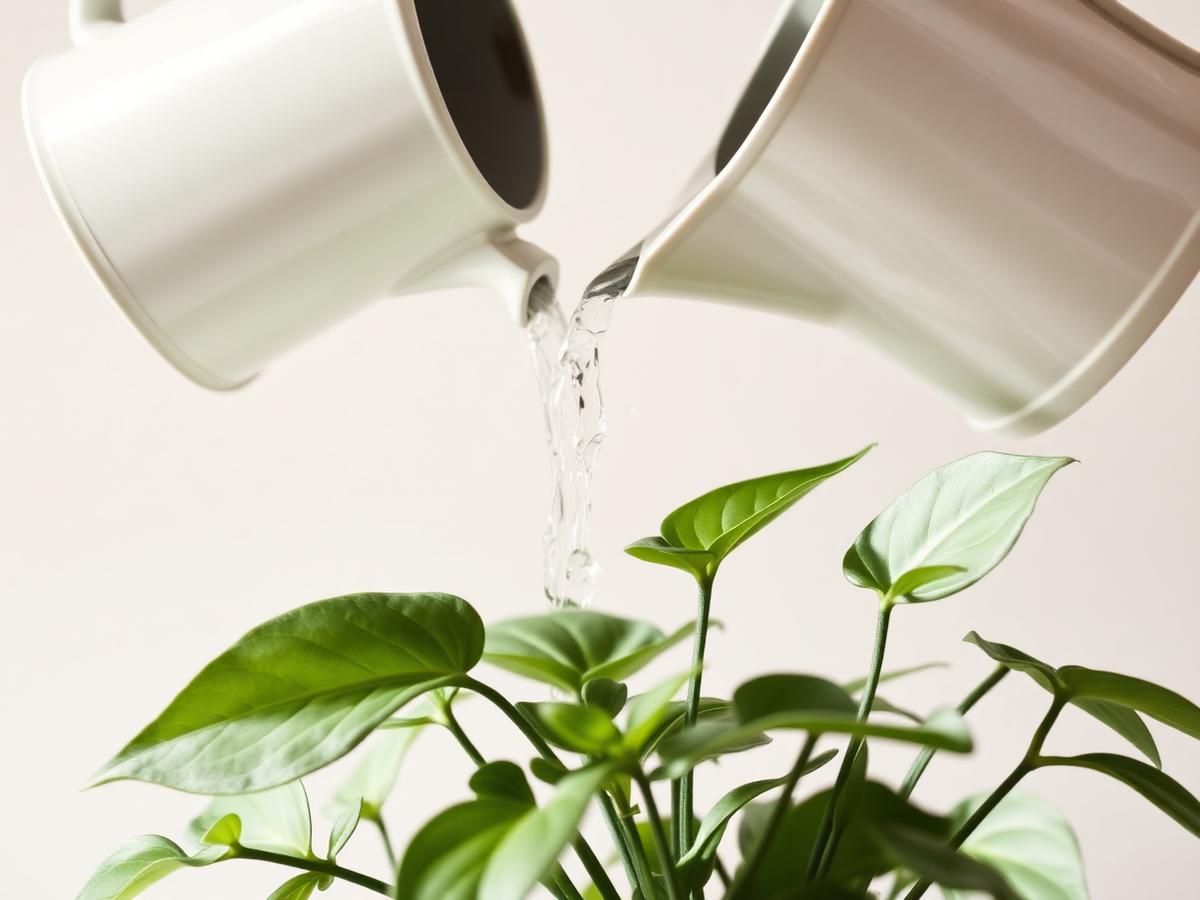
The single most common reason a new plant drops leaves abnormally. The plant arrives already wet from its last greenhouse watering, the new owner waters it again out of habit, and within 7–10 days the lowest roots begin to die from lack of oxygen. Leaf drop follows within another week.
The tell: the pot feels heavy, the soil is damp 5 cm down, and the lower leaves yellow and drop in clusters. Slip the plant out of its pot — if the roots are black, mushy, or smell sulphurous, it's root rot. Treat by trimming rotten roots, repotting into fresh dry mix, and watering sparingly.
Cause 2 — sudden light change
Plants grown in a bright commercial greenhouse and moved to an average indoor corner can receive 70–90% less light overnight. Leaves that were efficient under bright light become energy-negative under dim light — they cost more to maintain than they produce. The plant sheds them.
Light-shock drop is usually mid-canopy rather than strictly lowest first, and is proportional to the magnitude of the light drop. The fix: move the plant to a brighter location (bright indirect, ideally within a metre of a window). If you can't, accept that the plant will slim down until it matches the light it has — and use a supplemental grow light if the final target is a dim room.
Cause 3 — cold draft or hot air blast
Tropical houseplants react to sudden temperature change within 24–48 hours. A draft from a door opening onto winter air, a cold windowpane, or the blast from a hot radiator all produce the same response: partial leaf drop, often green leaves with curled edges falling off the side facing the temperature source.
This is the fastest-appearing leaf drop on the list — if a plant is dropping leaves within two days of being placed somewhere new, temperature is the most likely cause. Move it away from the temperature source by at least 60 cm and the drop usually stops within a week.
Cause 4 — humidity collapse
Greenhouses run at 60–80% humidity. A typical heated Nordic apartment in winter runs at 25–35%. Moisture-loving plants (calathea, maranta, ferns, alocasia, anthurium) can drop leaves within a fortnight of arrival as they fail to replace transpired moisture.
Humidity-drop leaves are distinctive: crispy browning at the tips or margins, sometimes with a purplish cast on the underside, followed by the leaf drying entirely and falling. Fix with a humidifier (not misting — misting's effect lasts minutes) or move the plant to a bathroom or kitchen where ambient humidity is higher.
Cause 5 — fertiliser shock
If the plant was fertilised in its first fortnight — a common well-meaning mistake — the combination of already-fertilised greenhouse soil and new fertiliser can burn roots. The signature: crispy brown leaf tips, white crust on the soil surface, and leaf drop beginning 7–14 days after fertilising.
The fix: flush the pot with three pot-volumes of plain water to leach out excess salts, and don't fertilise again for at least 6 weeks. See why are my plant leaf tips turning brown for the full symptom-cause map.
Cause 6 — pests you haven't spotted
Heavy infestations of spider mites or thrips can trigger leaf drop — leaves become too damaged to photosynthesise efficiently and the plant abandons them. By the time leaf drop shows up, the infestation is usually visible on close inspection.
Check leaf undersides with a loupe for fine webbing (spider mites), silvery streaks and black dots (thrips), or white cotton in leaf axils (mealybugs). Pest-induced leaf drop stops when the pest is cleared.