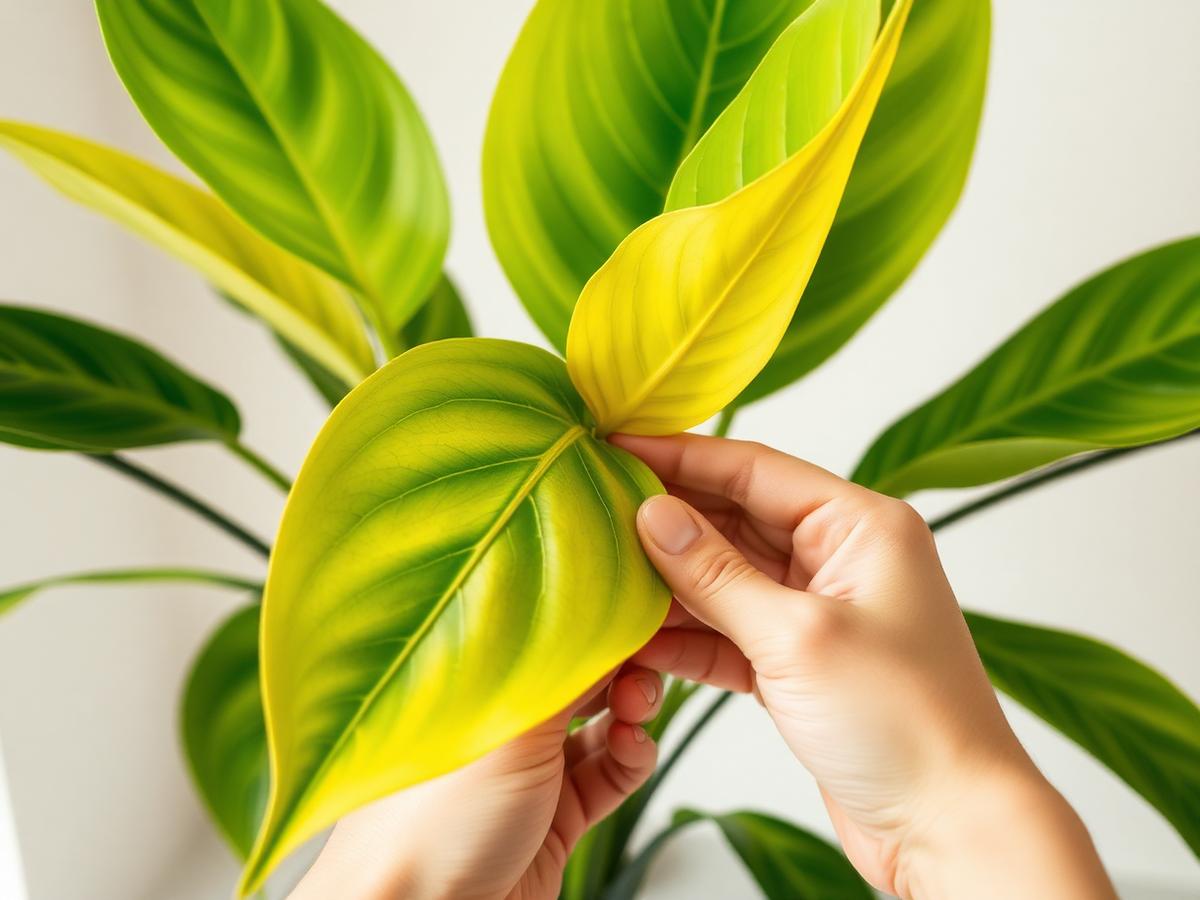
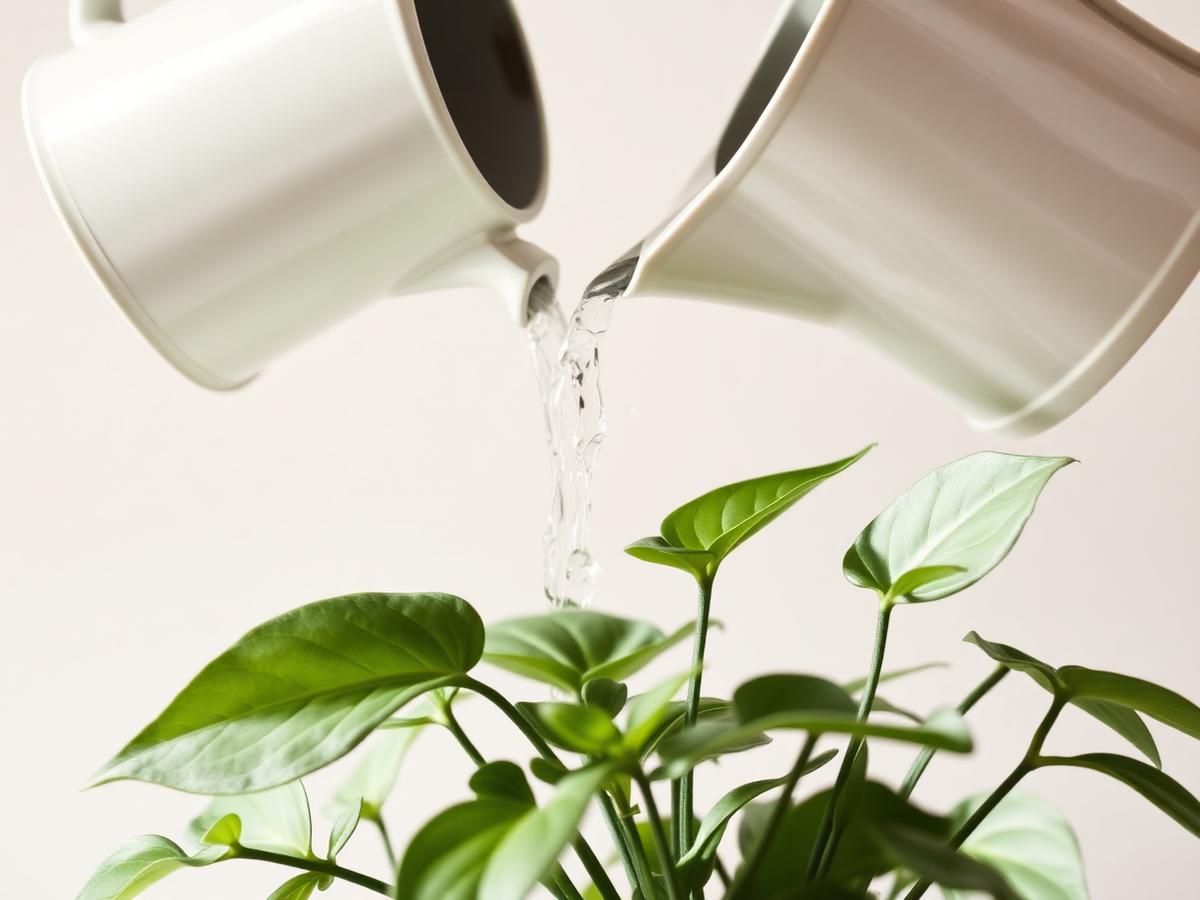
The four problems at once
The reason Nordic winters are hard on houseplants is that four stressors compound. Any one of them is manageable; together they push plants into decline that looks like one big mystery problem. Understanding them separately is how you triage.
- ·Light: from October to February, Copenhagen gets 7–8 hours of daylight at best and often under 1,000 lux at noon — less light than a typical shop interior.
- ·Humidity: radiators and underfloor heating push room humidity to 25–35%, below the comfort threshold for most tropical plants.
- ·Cold windowpanes: single- and older double-glazed windows in Nordic apartments can be 5–10°C below room temperature, chilling any leaf pressed against them.
- ·Radiator drafts: forced hot air from radiators or vents creates local hot-dry microclimates that brown leaves within days.
Problem 1 — Not enough light
Between Copenhagen's latitude (~55°N) and northern Norway (~69°N), midwinter daylight is brief, low-angle, and mostly overcast. Even a south-facing window delivers only a fraction of what "bright indirect light" means in plant care articles written for North America or southern Europe.
The practical consequences: growth stops or reverses, plants drop older leaves, and variegated plants revert to green as they try to maximise photosynthetic efficiency. Plants far from a window simply coast on reserves until spring.
- ·Move plants closer to windows for winter — every 30 cm closer to the glass doubles light intensity.
- ·Rotate plants weekly so they grow evenly rather than leaning toward the light.
- ·Clean the leaves monthly — a thin layer of dust reduces light reaching the leaf by 10–20%.
- ·Supplement with grow lights if rooms get below 1,000 lux at noon — most affordable full-spectrum LEDs on a 12-hour timer make a meaningful difference.
- ·For north-facing apartments, grow lights aren't a nice-to-have — they're the difference between plants surviving and declining over winter. See understanding light levels.
Problem 2 — Watering less, watching more
Winter is when overwatering kills plants. Cooler soil, slower root metabolism, lower light, and reduced transpiration all mean plants use less water — sometimes half as much as in summer. Continuing a summer watering schedule into winter is the single most common cause of winter plant death.
The fix is to switch to strict signal-based watering. Check soil moisture every 3–5 days. Only water when the top 2–3 cm is genuinely dry — for many plants in winter that interval stretches to 2–3 weeks, sometimes longer for snake plants, ZZ plants, and succulents. For the fundamentals see how often to water houseplants; when spring arrives, the spring watering reset guide covers ramping back to summer cadence without over-correcting.
Problem 3 — Radiators and dry air
Central heating is efficient at keeping apartments warm and inefficient at keeping them humid. A heated Nordic flat in January commonly runs at 25–35% RH — most tropical houseplants want 50% or higher, and sensitive species (calatheas, ferns, marantas, alocasias, anthuriums) show visible stress below 40%.
The first fix is a humidifier — a cool-mist one, sized for your room. Misting the plants directly doesn't meaningfully raise humidity (the effect lasts minutes) and can cause fungal spotting on sensitive leaves. Grouping plants together creates a microclimate that helps marginally. See indoor humidity for houseplants in winter for the full humidity playbook.
Problem 4 — Cold windows, hot radiators
Nordic apartments are full of sharp temperature transitions: the window is cold, the air above the radiator is hot, and the centre of the room is somewhere in between. Plants react badly to sharp local gradients even if the average temperature is fine.
Two specific rules:
- ·Don't let leaves touch cold window glass. The glass is typically 5–10°C cooler than the room; touching leaves cold-burn and blacken along the contact edge.
- ·Keep plants 30–60 cm from radiators. Direct radiator heat dries leaves quickly and creates localised desert conditions at the pot.
- ·Beware of draft paths — cold air from a front door hallway or kitchen window can funnel past a plant placement that otherwise looks fine.
- ·See houseplants near radiators for the specific damage patterns and rescue instructions, and the cold-tolerance thresholds by species for the per-plant minimum temperatures. For UK readers, the same four stressors apply harder in a Victorian flat with single-glazed sashes.
Species that handle Nordic winter well
Some plants tolerate the specific Nordic winter stress profile better than others. If you're just starting with houseplants and live in a high-latitude apartment, these are the species most likely to survive year one:
- ·Snake plant (Dracaena trifasciata) — tolerates low light, low humidity, and dry soil.
- ·ZZ plant (Zamioculcas zamiifolia) — practically thrives on winter neglect.
- ·Pothos (Epipremnum aureum) — flexible on light and watering.
- ·Aglaonema — low-light champion.
- ·Peace lily (Spathiphyllum) — tolerates dim rooms if humidity isn't too low.
- ·Philodendron hederaceum (heartleaf philodendron) — similar tolerance to pothos.
- ·Cast-iron plant (Aspidistra elatior) — lives up to its name in low-light cool rooms.
Species that struggle in Nordic winter
The inverse list — species that tend to decline from October to March in a typical heated apartment. Not impossible to keep, but expect active intervention (grow lights, humidifiers, careful placement).
- ·Calathea, maranta, stromanthe — want 60%+ humidity and suffer below.
- ·Fiddle leaf fig (Ficus lyrata) — drops leaves in response to any temperature inconsistency.
- ·Alocasia — most common species struggle below 50% humidity and need warmth.
- ·Most ferns — humidity-dependent.
- ·Anthurium — hates cold drafts and dry air.
- ·Boston fern, maidenhair fern — among the most difficult indoor plants in dry winter rooms.
The winter reset checklist
Once in late September or early October, do a winter reset on the whole collection. This is the single highest-value habit for Nordic plant care.
- 1Audit every plant: move anything touching a cold window, anything within 30 cm of a radiator, and anything in a dim corner.
- 2Clean leaves with a damp cloth — removes summer dust for maximum winter light capture.
- 3Reduce your watering schedule from the summer rhythm. Check soil every 3–5 days rather than watering on schedule.
- 4Set up a humidifier in the room containing the most humidity-sensitive plants.
- 5Install grow lights if any plant is far from a window or the room is dim at midday.
- 6Skip fertilisation through the winter — no feeding from October to March. Most plants aren't growing, and extra fertiliser accumulates as salt in soil.
- 7Re-audit every 4 weeks. Radiator schedules change; spots that were fine in October can be problems in January.
Spring recovery
From mid-February onwards, daylight lengthens and plants restart growth within 2–3 weeks. Resume fertilisation at half-strength in March. Expect any plants that declined over winter to recover over 8–12 weeks — new growth is usually smaller at first, then scales up as light returns.
Plants that lost more than half their foliage, or that look like bare stems with dried tips, may not be recoverable. The decision: if the stem is firm and there are visible growth points, keep it and wait. If the stem is soft or black, compost and replace.