What string of pearls actually is
Curio rowleyanus is a succulent member of the daisy family (Asteraceae) native to South Africa. The spherical leaves are a remarkable adaptation: by reducing leaf surface area to near-minimum and concentrating the photosynthetic tissue inside a translucent sphere, the plant exposes the least possible area to drying air while still capturing light through a clear epidermal band — the 'window' visible on each pearl.
It was reclassified from Senecio rowleyanus to Curio rowleyanus in 2022 following a broader taxonomic revision of the tribe Senecioneae. Both names appear in retail; they refer to the same plant. In the wild it trails across the ground under sparse shrub canopy at 1,400–2,000 m elevation in the Northern Cape of South Africa — bright sun, well-drained rocky soil, and dry periods of 3–4 months.
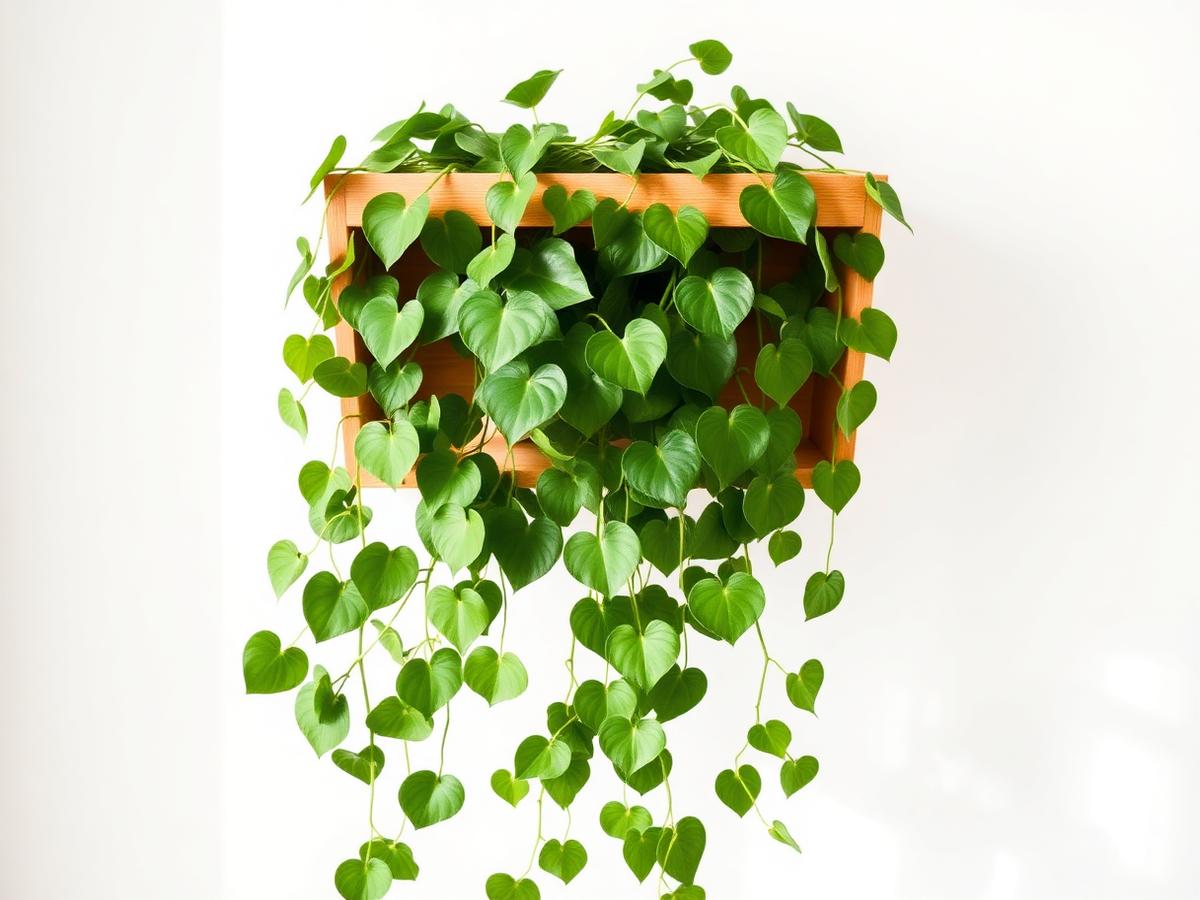
It is often shelved beside string of hearts in plant shops, but they are botanically unrelated (string of hearts is Ceropegia woodii, family Apocynaceae). The care overlap is superficial: both need good drainage and dislike overwatering, but string of pearls needs considerably more light.
Light — the most underestimated requirement
String of pearls needs more light than almost any other popular indoor trailing plant. In its native habitat it receives 3–6 hours of direct sun per day, filtered through sparse shrub canopy. Indoors it wants a bright south or west window with some direct sun — at least 2,000–4,000 lux, ideally with 2–3 hours of direct sunlight in the morning or late afternoon.
In insufficient light the pearls first shrivel slightly — not from dehydration but from reduced photosynthesis. New growth becomes sparse, stems elongate without producing new pearls, and the plant eventually rots from the crown outward as weakened tissue succumbs to fungal pathogens. Most string of pearls sold in shops are already somewhat light-deprived. The first task after purchase is always to move it to the brightest available spot.
The tell for too much direct sun is sunscald: flat, light-tan or white patches on the sunny side of the pearls, which then shrivel and dry. This happens most easily in a south window in summer. If scorch appears, move the plant 30–50 cm back from the window or add a sheer curtain.
Watering — the most common cause of death
String of pearls rots faster than almost any other succulent when overwatered. The thin stems have almost no structural tissue — they are essentially water-conducting veins with a thin skin. In soggy soil, bacterial and fungal pathogens colonise those stems within 2–4 days, and by the time the rot is visible above the soil (stems turning soft, brown, and mushy at the soil line), the whole root system is usually already gone.
Water only when the top half of the soil is completely dry — push a bamboo skewer or your finger to 5 cm depth and check. In summer in a bright spot, this means watering every 10–14 days. In winter or lower light, every 3–4 weeks. When you do water, soak thoroughly until water runs from the drainage holes, then empty the saucer immediately.
- ·Shrivelling + dry soil: Underwatering or insufficient light. Water thoroughly if soil is dry; if light is poor, move first then water.
- ·Shrivelling + wet soil: Root rot or stem rot. Stop watering immediately. Unpot and check roots — if most are brown and mushy, take cuttings from the healthy tips and reroot them.
- ·Shrivelling after repotting: Transplant stress, normal for 2–4 weeks. Bright light, no overwatering.
Soil, drainage, and pot choice
Use a cactus and succulent potting mix — or mix 50% standard houseplant compost with 50% perlite or coarse horticultural grit. The goal is a mix that dries out within 7–10 days of a full watering. Standard houseplant compost used alone is far too moisture-retentive.
The pot must have drainage holes. Decorative pots without holes reliably kill this plant within a single growing season. If you use a decorative outer pot, always remove the inner pot before watering and replace it once drainage has completely stopped.
Pot size matters more than for most succulents: a pot significantly larger than the root ball contains soil that stays wet long after the plant has used what it needs. Choose a pot that feels snugly sized.
Humidity and temperature
String of pearls prefers low-to-average humidity: 30–50%. High humidity — above 60% — accelerates stem-rot risk. This makes it an unusual choice for the humid-plant collections common among tropical aroid enthusiasts. Do not cluster string of pearls with humidifier-dependent tropicals.
Temperature should stay above 10 °C. In a Nordic apartment, keep it well away from cold drafts and single-glazed windows in winter. The plant handles normal room temperatures of 15–25 °C without complaint.
Propagation
String of pearls propagates easily from stem cuttings when the plant is healthy. Cut a 5–8 cm stem section, let the cut end callous for 24–48 hours, then lay the calloused cutting on top of slightly damp cactus mix or push the bare end 1–2 cm into it. This callous step matters more than for tropical aroids — skip it and the cut end rots rather than roots.
Do not water for the first 7–10 days. Once tiny roots appear (the stem resists a gentle tug), begin normal watering, waiting for the mix to dry before each soak. Multiple cuttings potted into the same container produce a fuller, more attractive plant than a single cutting — 8–10 cuttings in spring gives a well-trailing pot by autumn.
Common problems
Almost every string of pearls problem traces to watering or light.
- ·Stems rotting at the soil line: Overwatering or poorly draining soil. Cut healthy tips to propagate; unpot and check roots. Crown rot is rarely recoverable.
- ·Shrivelling pearls + dry soil: Underwatering or root failure from prior overwatering. Water if soil is dry; inspect roots if soil is damp.
- ·Shrivelling despite adequate watering: Almost certainly insufficient light. The pearls close their windows and shrink when photosynthesis is inadequate.
- ·White flat patches on pearls: Sunscald. Move back from the window or add a sheer curtain.
- ·Sparse, elongated growth without pearls: Not enough light. New stems reach toward the light source without forming beads.
- ·For general diagnosis: overwatered vs underwatered houseplant.
Toxicity
String of pearls is toxic to cats, dogs, and humans. The plant contains alkaloids and pyrrolizidine compounds that cause gastrointestinal distress — nausea, vomiting, diarrhoea — if ingested in quantity. Unlike the insoluble calcium oxalate irritation of aroids, these compounds have systemic effects and can be more serious in pets ingesting larger amounts. Keep string of pearls out of reach of cats, especially in hanging baskets that climbing cats can access. See are houseplants toxic to cats and dogs.