Read the curl direction first
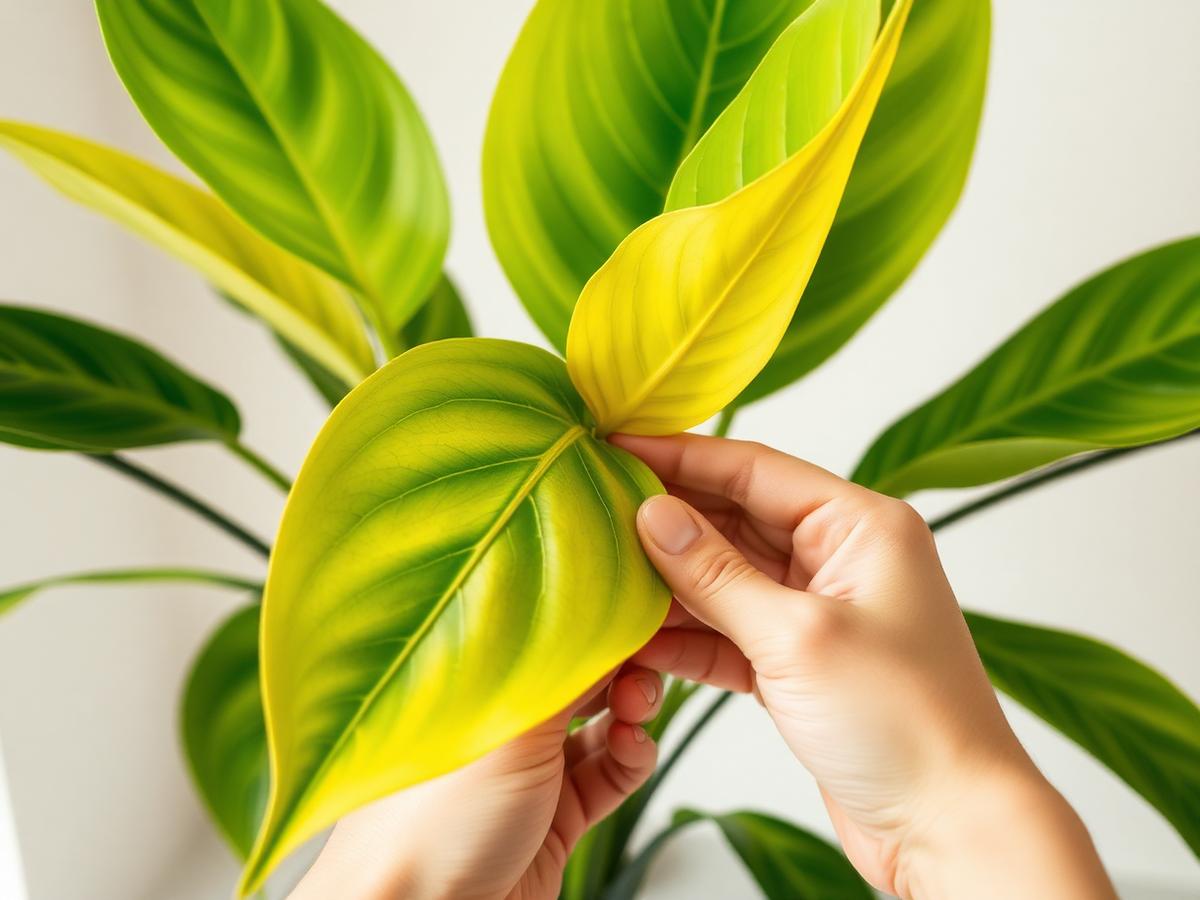
Leaves don't curl randomly — the direction of the curl is diagnostic. Take 30 seconds to look at the plant and categorise what you're seeing.
- ·Inward curl (upward, like a taco or a hand cupping): the plant is trying to reduce surface area. Usually thirst, heat, or strong light.
- ·Downward curl (leaves drooping at the edges, tips pointing at the floor): root-related — either root rot, too much water, or root damage from repotting.
- ·Random curl / distortion: new leaves coming in twisted, bumpy, or asymmetrical. Almost always pests (thrips, broad mites, spider mites) or herbicide damage.
- ·Night-time curl that opens by morning: normal nyctinasty in prayer plants and Calatheas — not a problem unless leaves stay curled during the day.
Cause 1: Underwatering (the most common)
The textbook leaf curl — inward, taco-shaped, soft to the touch — is a plant crying for water. It's the plant reducing its transpiration surface before it starts losing leaves. The soil is bone dry, the pot feels light, and leaves will often droop at the same time.
Check the soil: push a finger 3–5 cm in. If it's dry and the pot is noticeably lighter than normal, water thoroughly. Recovery starts within hours — most plants are visibly perkier by the next morning. If the soil has pulled away from the pot edge or water runs straight through, the root ball has gone hydrophobic — bottom-water for 20 minutes to rehydrate. See the watering guide for the complete check.
Cause 2: Low humidity
Humidity-loving plants — calatheas, marantas, stromanthes, anthuriums, some ferns — curl their leaves when ambient humidity drops below 40%. Often the curl is accompanied by brown crispy leaf edges or tips. In Northern European winters, indoor humidity can drop to 25–30% thanks to central heating; in summer with air conditioning, the same range.
A cool-mist humidifier 1–2 m from the plant, running on a timer, is the only intervention that reliably raises humidity by more than a few percent. See the winter humidity guide for the full comparison of humidifiers vs pebble trays vs misting. The calathea care guide has species-specific humidity targets.
Cause 3: Spider mites, thrips, or broad mites
Pest-caused curl is usually more chaotic than water-caused curl — new leaves come in twisted, distorted, or asymmetrical. Look closely at the undersides with a phone magnifier or a cheap loupe. Fine webbing + stippling = spider mites. Silver streaks along the veins + tiny black dots (frass) = thrips. No visible pest but tight twisted new growth on a hibiscus or peperomia = broad mites (too small to see without magnification, but responsive to the same treatments).
The tiny bugs ID guide covers the common suspects in one view. Once identified, isolate the plant and treat — leaf curl is the late symptom; by now the infestation is established.
Cause 4: Overwatering and root rot
Downward-curling leaves on a plant whose stems feel soft or mushy near the base, with damp or soggy soil, is classic overwatering. The plant's roots are failing — they can't take up enough water to support the leaves, even though the soil is wet. This is the counterintuitive one: a drooping, curled plant can be both overwatered and suffering from dehydration, because the root system isn't working.
Unpot the plant and check: healthy roots are firm and pale cream; rotted roots are black, mushy, and smell sour. Trim rotted roots with clean scissors, rinse the remaining roots, and repot into fresh dry mix. Don't water for a week. Full recovery protocol in the root rot guide.
Cause 5: Heat or direct-sun stress
Plants sitting close to south or west windows in summer — or right above a radiator in winter — can curl their leaves away from the heat source. The curl is inward but sharper than water-thirst curl, and the affected leaves are on the side facing the window or heat. Leaves may also develop pale bleached patches (sunburn) on the exposed surfaces.
Move the plant 50 cm back from the window, add a sheer curtain, or move it to a different window. The existing leaves usually don't flatten out, but new growth comes in normal. In rooms with radiators right below windows, a small riser or side table that shifts the plant even 30 cm sideways usually fixes it.
Cause 6: Cold draft or temperature shock
Tropical plants curl defensively below 15°C. If a plant's leaves curl suddenly overnight or after being placed near a window that opens, a single-glazed pane in winter, or an air conditioning vent in summer, temperature is the likely cause. The curl may be accompanied by soft dark spots within a few days as cold-damaged tissue collapses.
Move the plant away from the source. Keep it above 17°C — most tropicals tolerate 15–30°C comfortably, but prefer 18–24°C. Plants like calathea and alocasia are particularly sensitive to cold.
Cause 7: Nutrient issues (calcium, potassium)
Calcium deficiency causes new leaves to come in curled, puckered, or hooked — especially at the tips. Potassium deficiency produces downward leaf-edge curl plus yellowing along the margins. Both are uncommon in well-fed houseplants but show up in plants that haven't been fertilised in a year or more, or in plants sitting in severely depleted potting mix.
Resume feeding with a balanced liquid fertiliser at half strength monthly during the growing season. If you haven't repotted in 18+ months, repot into fresh mix — it's faster than correcting depletion with feed alone. See the repotting guide.
Cause 8: Chemical / herbicide drift
Rare but distinctive: leaves come in twisted, strap-like, or fan-shaped, with new growth especially distorted. This happens if weedkiller was sprayed outdoors and the plant was exposed to drift, or if contaminated potting mix was used. There is no treatment — the affected growth stays deformed, but new growth six weeks later will usually come in normal if the source is gone.
Quick decision tree
If you only read one thing, use this. Take a plant with curled leaves and walk through the checks in order — the first positive match is almost always the cause.
- 1Push a finger 3 cm into the soil. Dry + light pot? → Underwatering. Water thoroughly.
- 2Check leaf undersides with a magnifier. Webbing, dots, or silvery streaks? → Pests. See the relevant pest guide.
- 3Feel the stems near the soil line. Soft or mushy? Unpot and check roots. → Overwatering / rot.
- 4Check the room humidity. Below 40% + brown leaf edges? → Low humidity. Humidifier time.
- 5Is the plant near a radiator, heater, or south window? Move it 50 cm away and watch new growth.
- 6Check the temperature near the plant, especially overnight. Below 15°C? → Cold stress.
- 7None of the above? → Nutrient deficiency or a repot overdue. Feed at half strength, repot if 18+ months since last.
Plants most prone to leaf curl
Curl is a more common symptom on some species than others. These plants are the most visible "curlers" — if you grow any, you will see it periodically.
- ·Calathea, maranta, stromanthe, ctenanthe — curl is their default stress response. See the prayer plant ID guide for species differences.
- ·Peperomia and pilea — curl upward when thirsty or over-watered; direction depends on severity.
- ·Fiddle leaf fig — curls leaf edges downward under low humidity or when pot-bound. See the fiddle leaf guide.
- ·Spider plant — leaf-edge curl is usually mineral buildup from tap water.
- ·Peace lily — wilts and curls dramatically when dry; recovers in hours.
- ·Alocasia — extremely heat- and cold-sensitive; curls either way at temperature extremes.
- ·Ficus elastica (rubber plant) — leaf-edge curl plus yellowing is a classic drainage/overwatering flag.
Will curled leaves ever uncurl?
Usually no. Leaves that curl from underwatering or temporary heat stress often flatten within 24 hours of the fix. Leaves curled from chronic issues (low humidity, pests, nutrient deficiency, cold shock) mostly stay curled — their internal structure has changed. Judge success by the next 2–3 new leaves: if they come in flat, you have fixed the cause. If they come in curled like the older leaves, something is still wrong.