60-second triage: which cause is it?
Run these four checks in order. By the end you will know which of the five causes below is most likely. Skipping the triage and reflexively watering a rotting peace lily is how most flopping plants become dead plants.
- 1Lift the pot and feel its weight. Light → likely under-watering. Heavy and waterlogged → likely over-watering / rot.
- 2Push a finger 2–3 cm into the soil. Bone dry → thirsty. Still damp 4+ days after the last watering → drainage problem.
- 3Pour water into the pot. Runs straight through the bottom in seconds → root-bound. Pools at the surface → soil is hydrophobic and needs bottom-watering.
- 4Note recent changes — opened a winter window nearby, repotted, started fertilising? → environmental shock or fertiliser burn.
Cause 1: Under-watering (most common, easiest to fix)
Peace lilies are dramatic wilters. When the soil dries below the threshold the plant tolerates, every leaf flops at once and the whole plant collapses into the pot — a posture that looks alarming but is fully reversible within hours of a deep watering. The species evolved this all-or-nothing wilt as a survival strategy: in the wild understory, a sudden drop in soil moisture means the plant must either find water or shut down evaporation. Indoor peace lilies just inherited the habit.
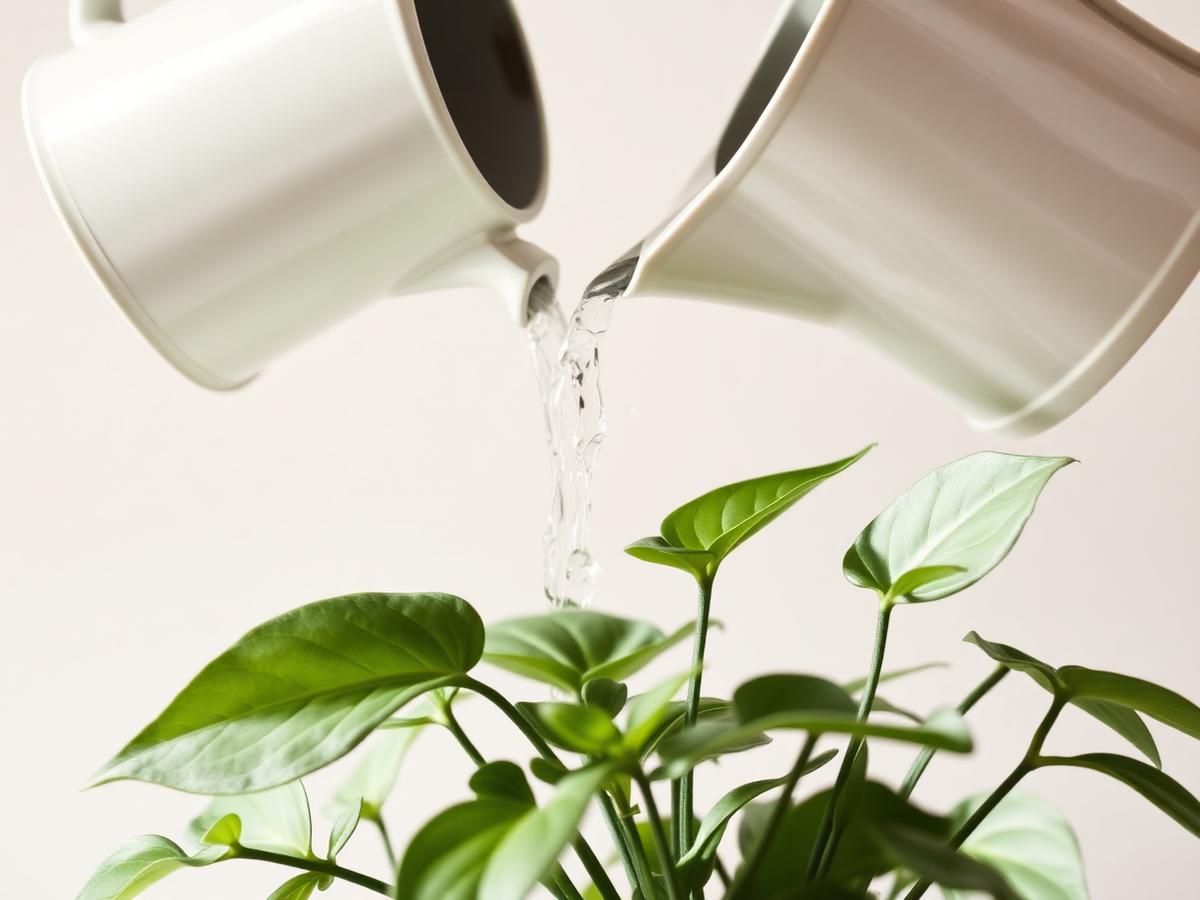
Soak the pot thoroughly: water until 10–20% drains from the bottom, or bottom-water in a tray for 20–30 minutes if the soil has gone hydrophobic and is repelling water. The plant typically perks up within 2–4 hours, fully recovers within 24 hours, and shows no lasting damage. Check soil moisture every 5–7 days going forward; the species drinks more in summer than most aroids.
- ·Whole plant collapses at once — every leaf, in every direction.
- ·Pot feels noticeably light when lifted.
- ·Top 5 cm of soil is bone dry; soil has pulled away from the pot edge.
- ·Recovery: 2–4 hours after a deep soak; full perk by next day.
- ·If no improvement after 24 hours of moist soil, this was not the cause.
Cause 2: Over-watering and root rot (the most dangerous)
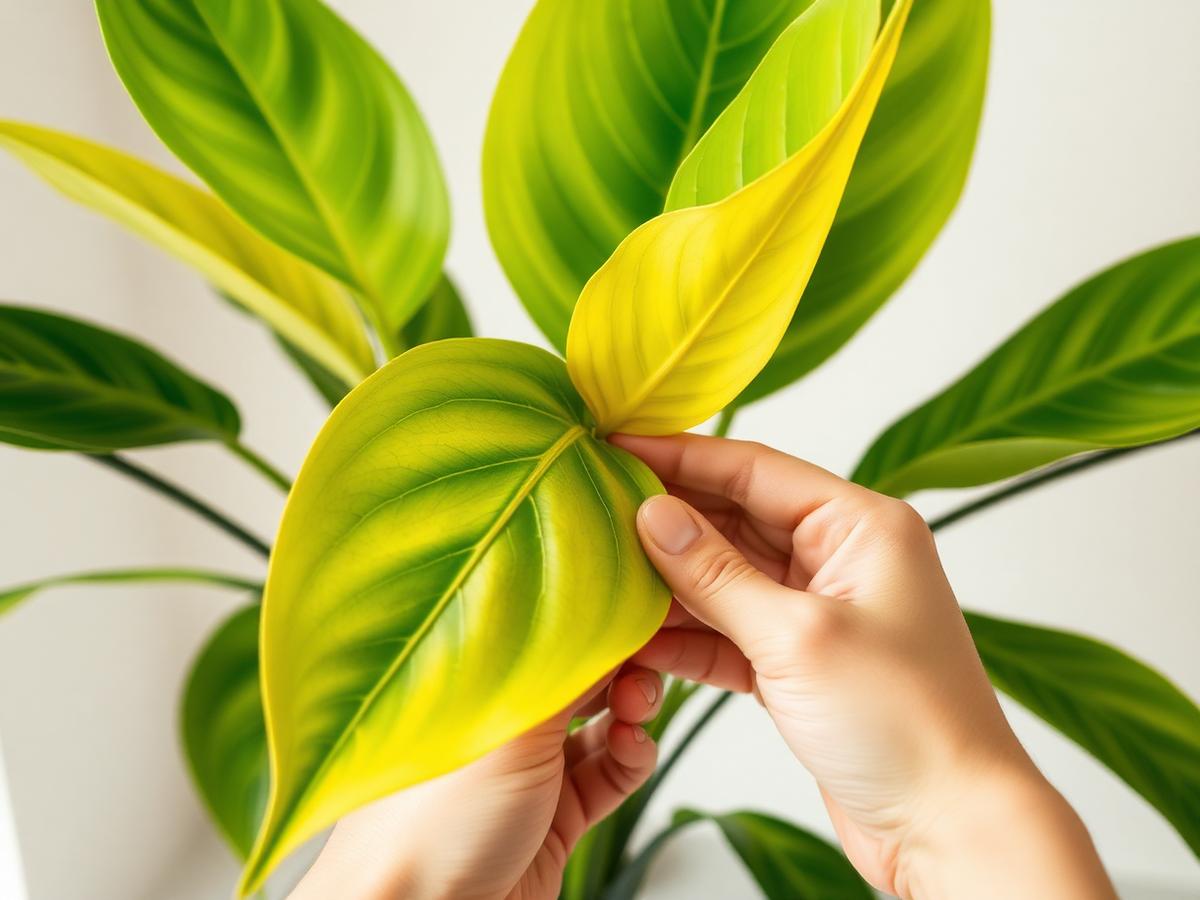
An over-watered peace lily flops the same way an under-watered one does — but the soil is damp, the pot is heavy, and lower leaves are yellowing or softening. Root rot has set in. Watering again at this stage will kill the plant; the roots cannot absorb what is already there because they are oxygen-starved and dying. A sour, swampy smell from the soil is the unmistakable confirmation.
Unpot and inspect. Healthy peace lily roots are firm and pale (white, cream, or light tan); rotted roots are brown to black, mushy, and slough off when touched. Trim every rotted root with sterilised scissors, rinse the survivors, and repot into fresh, well-draining mix in a pot one size smaller. Hold water for 5–7 days, then water lightly. Recovery takes 2–6 weeks. The full root rot recovery protocol covers severity grades and when propagation is the better rescue.
Cause 3: Root-bound and starving the pot
A peace lily that has filled its pot with roots cannot hold enough water between waterings to support its leaf mass — the plant droops within 2–3 days of a thorough soak even though you are watering correctly. Lift the pot: if you see roots circling the bottom or pushing through the drainage hole, this is the cause. Water also runs straight through in seconds rather than absorbing.
Repot into a pot 2–4 cm wider in fresh peat-based aroid mix. Tease the outer roots gently to break the circling pattern but do not aggressively prune. The plant typically settles within 1–2 weeks and the drooping resolves. The when to repot houseplants guide covers the broader signs and seasonality.
Cause 4: Cold draft or temperature shock
Peace lilies are tropical understory plants — they evolved at 18–28 °C and suffer below about 13 °C. A common Nordic-winter cause of sudden drooping: the plant sits near a single-glazed window and gets a cold draft overnight, or is delivered through a cold doorway. Leaves droop within hours and edges may blacken within days. Plants on cold tile floors near external doors are equally vulnerable.
Move the plant to a stable spot at 18–24 °C, away from drafts, AC vents, and external windows in winter. Do not water for stress recovery — cold plus wet is root-rot territory. Most plants recover posture within 3–7 days once temperatures stabilise. Blackened leaf edges are dead tissue and will not regreen — trim them once the plant has recovered.
Cause 5: Fertiliser burn
An over-fed peace lily develops crispy brown leaf tips first, then progresses to drooping as the salt buildup damages root function. The trigger is usually full-strength fertiliser applied to dry soil, or feeding more often than every 4–6 weeks during active growth. The giveaway is a white or grey crust on the soil surface and inside the pot rim.
Flush the pot: take it to the sink and pour 3–4 pot volumes of clean water through the soil, letting it drain freely. This pulls accumulated salts out the bottom. Hold off feeding for 8–12 weeks, then resume at half strength every 6 weeks. The plant typically resumes upright posture within 1–2 weeks of flushing, though brown tips remain on existing leaves.
Drooping is part of the species, not a fragility
Spathiphyllum has been called "the plant that tells you when it is thirsty" because its dramatic wilt-and-recover cycle is reliable enough to use as a watering schedule. Many growers deliberately wait for the first hint of droop before watering, then soak — it produces healthy, well-watered plants without the over-watering risk that plagues less expressive species. The drama is communication, not weakness.
Peace lilies are also one of the more forgiving species on light, humidity, and feeding. The full why is my plant drooping guide covers the cross-species diagnostic; this article is the species-specific spoke. Note that peace lilies contain calcium oxalate raphides and are toxic to cats and dogs (see are houseplants toxic to cats and dogs) — keep them out of reach in pet households regardless of how charming the wilt-and-recover routine is.