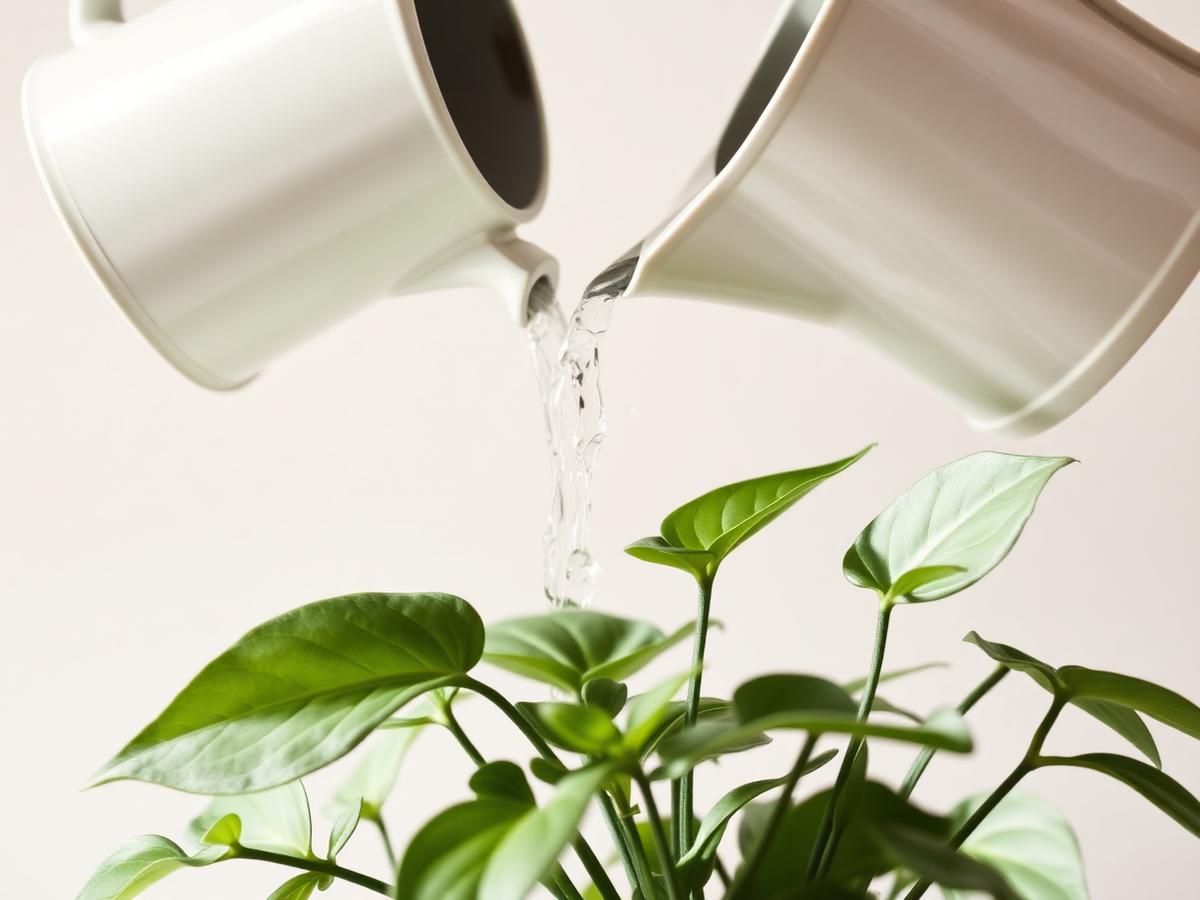
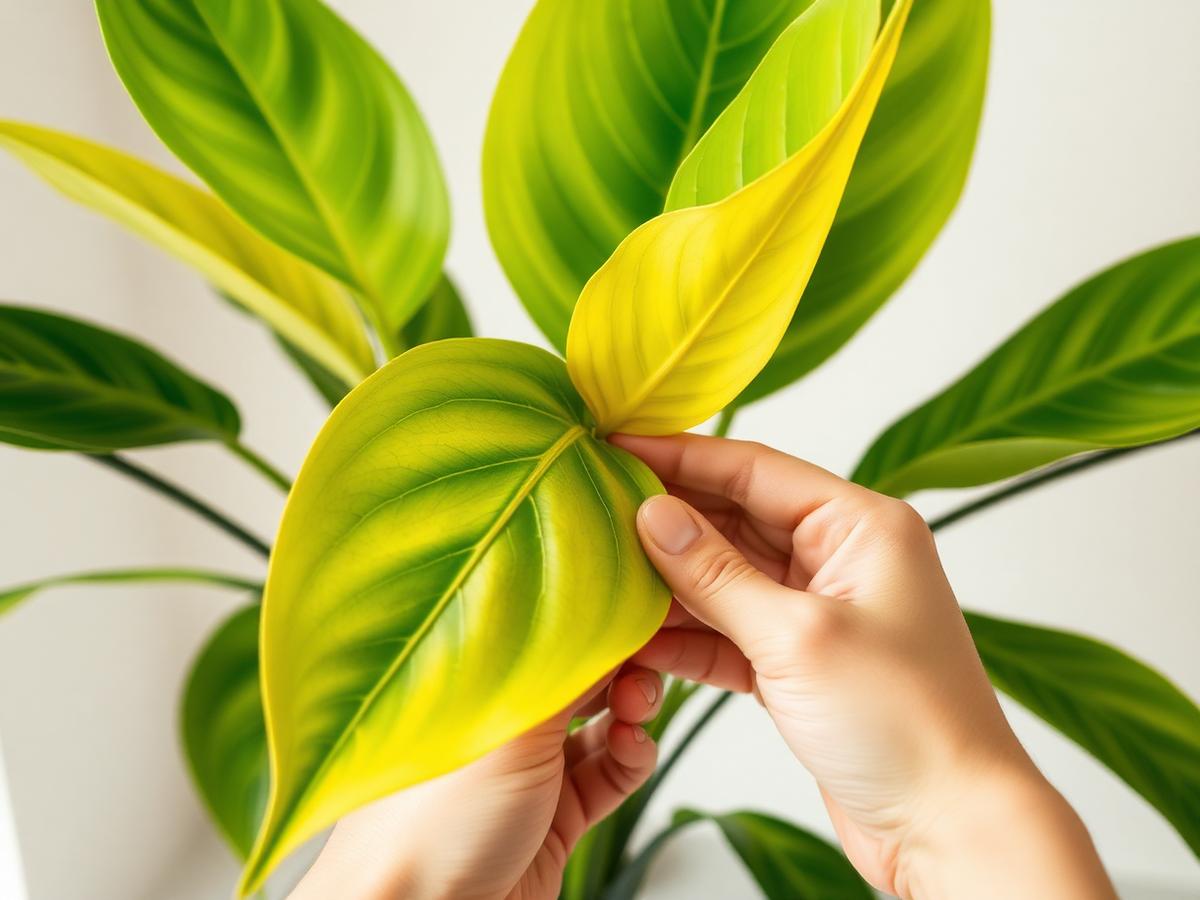
What bottom watering actually does
Bottom watering uses capillary action — water moves up through the soil pores against gravity until the whole root ball is saturated. The pot draws as much as it needs and stops; you cannot really overwater a plant by bottom watering for a fixed time, because once the topsoil darkens the soil column is full.
The mechanical advantage is two-fold. First, dry soil that has gone hydrophobic (the surface bead-rolls water off) rehydrates evenly when soaked from below — top water on the same pot would slide down the inside of the pot and drain out without touching the root ball. Second, leaves and crown stay completely dry, which matters for plants that mark or rot when splashed.
When to bottom water (and which plants love it)
Bottom watering is the right choice in five specific situations. Outside of these, top watering is faster and equally effective.
- ·Hydrophobic, bone-dry soil where top water rolls off — the classic underwatered-plant rescue.
- ·Fuzzy-leaved plants that mark when splashed: African violets, gesneriads, calatheas, most begonias.
- ·Crown-rot prone plants where water in the centre causes problems: cyclamen, Saintpaulia, some succulent rosettes.
- ·Seedlings and freshly potted cuttings — top water dislodges them, bottom water settles roots in.
- ·Plants with persistent fungus gnat pressure — keeping the top 2–3 cm dry blocks the larval life cycle (the gnat soil-dry method).
When NOT to bottom water
Bottom watering is wrong for some plants and most situations involving hard water. Top watering is the safer default in these cases.
- ·Cacti and succulents in summer — they want a fast, complete soak then dry; bottom watering can leave the lower soil saturated for too long.
- ·Snake plants and ZZ plants in cool rooms — same reason; bottom soil staying damp into winter is the most common rot trigger.
- ·Plants in very small pots (under 10 cm) — they soak up water in 2 minutes and ride below the water line, which can drown roots.
- ·Hard-water households exclusively — without periodic top-water flushing, mineral salts concentrate in the upper soil and crust the surface.
- ·Plants with active root rot — bottom watering re-saturates exactly the zone you are trying to dry out.
How to bottom water, step by step
The procedure is simple but the details matter — particularly the soak time and the post-water drain. Use a shallow tray, baking sheet, or sink basin slightly larger than the pot's footprint.
- 1Fill a tray with 2–3 cm of room-temperature water (18–22 °C).
- 2Place the pot, ensuring the drainage hole is in contact with the water.
- 3Wait 15–30 minutes. The topsoil should feel cool and damp at the end.
- 4If the topsoil is still bone-dry, refill the tray and continue to 45 minutes.
- 5Lift the pot, let it drain for 10 minutes over the sink or tray.
- 6Empty the tray. Do not return a wet pot to a closed cachepot — pour out any pooled water first.
The salt-buildup trap (and how to avoid it)
Bottom watering only adds water and dissolved minerals to the soil — it never removes anything. Over months, salts from tap water and fertiliser concentrate in the upper soil and form a white crust on the surface, eventually scorching root tips and causing the crispy brown leaf tips that bottom-water-only growers know well.
The fix is straightforward: top water thoroughly once every 4–6 weeks until 10–20% of the volume drains out. This flushes accumulated salts down and out the drainage hole, resetting the soil chemistry. If your tap water is hard, switch to filtered or rainwater for both bottom watering and the monthly flush — see the hard water guide for what "hard" means in your supply.
Watering can vs bath vs sink: practical setups
For a few plants, the kitchen sink works — fill 3 cm of water, set 2–3 pots in, and walk away. For a whole collection, the bathtub is the fastest method: 4 cm of water in the tub will service 10–15 medium pots at once. Both options eliminate the risk of forgetting plants in standing water, because you have to physically empty the tub or sink to leave the room.
Avoid permanent saucers full of water as a bottom-watering proxy. They look the same but behave differently — a pot left in a closed saucer for hours wicks slowly and reabsorbs the same water repeatedly, drowning the lowest roots without ever fully saturating the upper soil. The 30-minute hard limit is what makes proper bottom watering safe.
How often to bottom water
Cadence is the same as for top watering — when the top 2–3 cm of soil is dry, the plant wants water, regardless of how you deliver it. Bottom watering does not change frequency; it changes the route. Most tropical houseplants want weekly to fortnightly attention through the growing season and 30–50% less in winter, as covered in the watering frequency guide.
What bottom watering does change is your reliability. Owners who switch from top water on a calendar to bottom water on a finger-test routine almost always cut overwatering deaths — the soak-and-drain action is less prone to the partial-watering pattern that keeps the upper soil moist while the bottom dries out, which is the silent route to root rot.
What to do if the plant does not drink
If the topsoil is still dry after 30 minutes in the tray, one of three things is happening. The pot may be deeply hydrophobic — extend to 45–60 minutes and the soil usually breaks down. The pot may have a clogged drainage hole — flip it and clear it before retrying. Or the plant may already have so much rotted root that the remaining soil cannot wick — at which point bottom watering will not save it; check for the overwatering pattern and consider a repot or rescue.