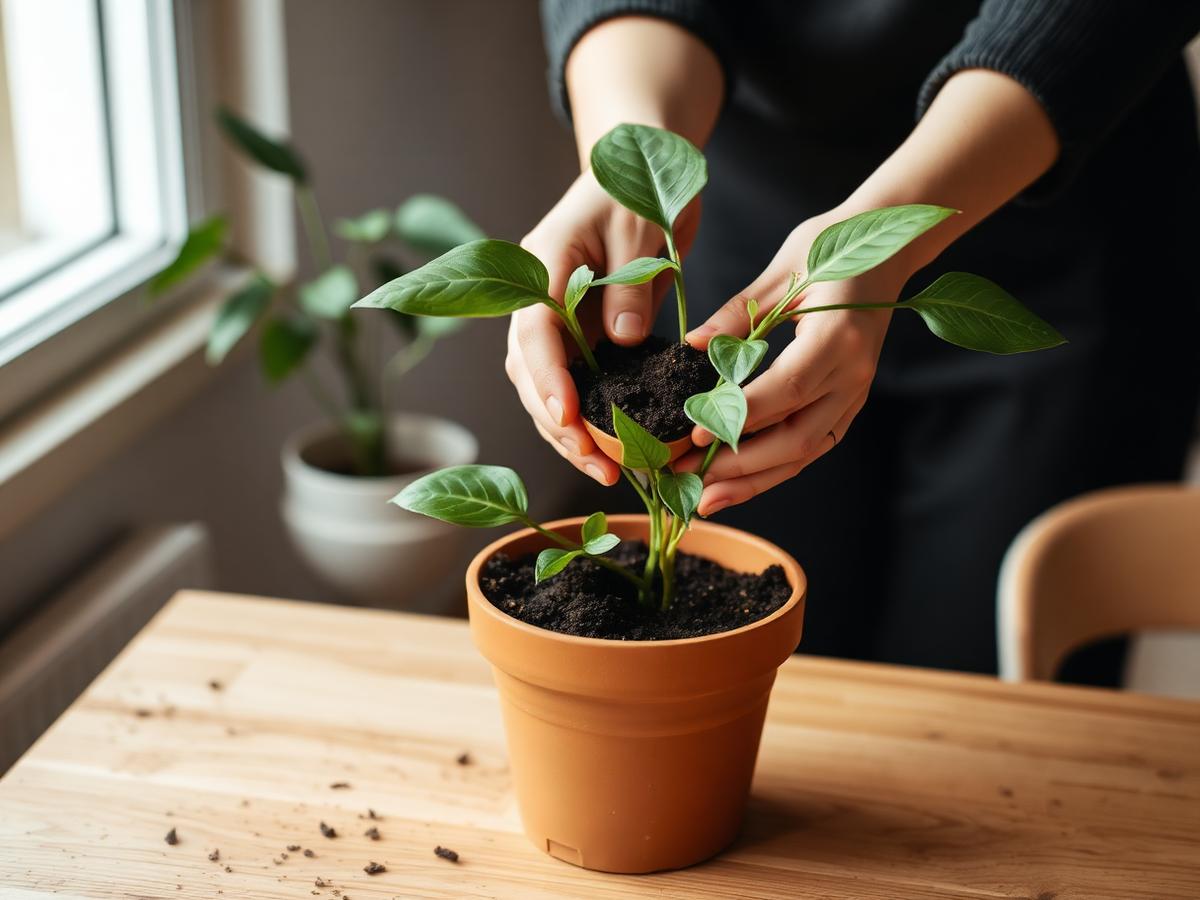
Pick the right plant for your first conversion
Conversion success rate varies hugely by species. Some plants almost always make the transition; others lose so much root mass that they take a year to recover, or never do. If this is your first conversion, pick from the high-success list and avoid the difficult species until you have run a few easy ones.
For a structured analysis of which species win and lose on semi-hydro long-term, see LECA vs soil vs semi-hydro. The short version: anything with thick water-storing roots converts well, anything with fine moisture-sensitive roots struggles.
- ·High success (>85%): Pothos, Monstera deliciosa, Philodendron hederaceum and similar climbers, Hoya carnosa and most hoyas, Syngonium, Anthurium clarinervium and similar.
- ·Moderate success (60–80%): Calathea, Maranta, Stromanthe (recovery is slow but steady once water-roots establish).
- ·Low success (<50%): Ferns (root systems too fine), Alocasia (corm rot risk), Begonia (cane rot).
- ·Avoid converting: Snake plant, ZZ plant, most cacti, most succulents — they prefer dry roots and gain nothing from semi-hydro.
- ·Best first plant: A pothos cutting that has rooted in water. It is already used to water-roots, has nothing to lose, and converts essentially seamlessly. See the water-vs-soil propagation guide for getting the cutting started.
What you need before you start
Conversion is the rare task where buying the right kit once saves months of trouble. The cost is modest — a single conversion runs about €15–25 in materials — but using the wrong pot or the wrong fertiliser can sabotage an otherwise healthy switch.
- 1LECA pellets — 8–16 mm round, brand does not much matter (Hydroton, Liaflor, generic). Buy 5–10 litres for your first batch.
- 2A pot with no drainage hole, OR a clear glass jar, OR a self-watering pot with a wick reservoir (Lechuza, IKEA self-watering inserts).
- 3Hydroponic-grade liquid fertiliser. Standard houseplant fertilisers are not balanced for semi-hydro and accumulate harmful salts. Masterblend, Dyna-Gro Foliage Pro, GHE FloraSeries, MegaCrop, or Plant Magic work well.
- 4pH test strips or a digital pH meter — semi-hydro is sensitive to pH drift, target 5.5–6.5.
- 5A soft brush or your fingers for soil removal.
- 6Sharp clean scissors for trimming damaged roots.
- 7A large bowl of room-temperature water.
- 8Optional: a few drops of rooting hormone gel for hesitant species, and a small bottle of hydrogen peroxide (3%) for rinsing rot-prone roots.
Pre-soak the LECA
Fresh LECA arrives covered in red clay dust that clogs the capillary action between pellets and lowers oxygen at the root zone. Soak the LECA in a bucket of clean water for 24 hours — overnight minimum — and rinse it 2–3 times until the rinse water runs clear. Pre-soaking also ensures the pellets are saturated when you plant: dry LECA wicks water away from new roots faster than they can grow.
If you skip the pre-soak, the LECA pulls moisture from the rootball during the first week and dries out roots that are already stressed from soil removal. This is the most common cause of conversion failure for beginners.
Prepare the plant for conversion
Conversion is invasive — you are removing the soil environment the plant has lived in for months or years and exposing every root to air, then water. Doing this gently and quickly minimises the shock.
- 1Water the plant 24 hours before conversion — moist soil releases more cleanly than dry, hard soil.
- 2Tip the plant out of its pot and gently shake off loose soil.
- 3Soak the rootball in a bowl of room-temperature water for 5–10 minutes to soften remaining soil.
- 4Work the soil out of the roots gently with your fingers under running tepid water — do not scrub. The goal is to remove every visible particle of soil; even small amounts left behind can rot in the LECA.
- 5Rinse 2–3 times in clean water.
- 6Inspect the cleaned roots. Trim black, mushy, or sour-smelling sections back to firm white tissue with sterile scissors. For rot-prone species, dip the cleaned roots in 1:3 hydrogen peroxide solution for 30 seconds, then rinse.
Plant into the LECA
Position the plant in the new pot and pack LECA gently around the roots. The setup depends on whether you are using a self-watering pot (with reservoir built in) or a nursery pot inside a glass jar (the inner-outer pot method).
- 1Add 2–4 cm of pre-soaked LECA to the bottom of the pot.
- 2Hold the plant at the desired height — roots should sit 1–2 cm above the reservoir water line, never in the water itself.
- 3Pour LECA around the roots, gently working it down to fill all gaps. Tap the pot to settle.
- 4Stop filling when the LECA reaches 1–2 cm below the rim, leaving a small basin for top-watering.
- 5Fill the reservoir with diluted nutrient solution (one-quarter the strength on the bottle for the first month).
- 6Top-water once with the same diluted solution to settle the LECA and start capillary action.
The first 8 weeks: what to expect
The plant will lose old soil-roots and grow new water-roots over the 4–8 weeks after conversion. During this window, expect: minimal new top growth, possibly some leaf yellowing on lower leaves (the plant reabsorbs nutrients from old leaves while the new root system establishes), and occasional droop. None of these mean conversion has failed unless they keep worsening past week 6.
What you should not see: black rotted roots in the LECA (means soil residue or contaminated water), white salt crust on the LECA (over-fertilising — flush with plain water), or soft mushy stem at the soil-line (terminal rot — restart from a healthy cutting).
Normal conversion timeline:
- 1Week 1: plant looks unchanged but is metabolically reset. Do not feed.
- 2Week 2: some yellowing of older leaves is normal. Reservoir water clear. No new growth.
- 3Week 3–4: first water-roots emerge — they look thicker, whiter, and slightly translucent compared to old soil-roots.
- 4Week 5–6: visible new growth at the top of the plant. Increase fertiliser to half-strength.
- 5Week 7–8: plant is established. Move to full-strength feeding on a 2-week reservoir refill cycle.
Ongoing care: feeding, flushing, and topping up
Semi-hydro is not "set and forget" — it has its own routine that takes about as much weekly attention as soil watering.
- ·Top up the reservoir when it drops to 1–2 cm. For most plants in a 15 cm pot this is every 5–10 days.
- ·Refresh the entire reservoir every 2 weeks with fresh diluted nutrient solution. Static water grows algae and shifts pH.
- ·Flush the LECA monthly by top-watering with plain water until 2–3 pot volumes drain through. This clears accumulated salts that would otherwise burn roots.
- ·Check pH every 2–4 weeks — semi-hydro pH drifts up over time. Target 5.5–6.5. Adjust with pH-down (citric acid or commercial hydroponic pH-down) if it climbs above 7.
- ·Top-up water type matters less than soil watering — LECA is forgiving on hard water, but if your tap is exceptionally hard (above 200 ppm), occasional flushing with filtered water keeps salt build-up in check.
When conversion goes wrong
Three failure modes account for almost every failed conversion. All three are recoverable if caught early.
- ·Total root rot — black, mushy, sour roots within 2 weeks. Cause: residual soil left in the rootball, or contaminated nutrient solution. Recover by re-rinsing, trimming all rotted tissue, and restarting the conversion in fresh LECA.
- ·No new root growth after 6 weeks — plant looks alive but stalled. Cause: water level too low (roots dry out), too cold, or too dim a spot. Move to brighter indirect light, raise the reservoir level slightly, and warm the room to 18–22 °C.
- ·Salt crust on LECA — white powder accumulating on the pellet surface. Cause: over-fertilising or insufficient flushing. Flush with plain water for 5 minutes, switch to quarter-strength feeding for 2 weeks, then resume the normal routine.
Where LECA actually fails
The honest case against LECA: it does not save unhealthy plants, it does not replace good light, and it punishes neglect just as soil does. Plants that were declining in soil from a root rot problem often die during conversion because they had nothing in reserve. Plants in dim corners that grew slowly in soil grow no faster in LECA — semi-hydro does not generate light. And forgetting to refresh the reservoir for two months leaves roots in stagnant water with shifted pH, which is just as bad as forgetting to water a soil pot.
The argument for LECA holds up only on its actual merits: zero fungus gnats (eliminating the substrate that breeds them, see the fungus gnat guide), reduced overwatering risk for chronic over-waterers, sterile substrate for plants prone to fungal soil disease, and visible root inspection through clear pots. If those merits do not match your actual problems, soil is fine — and the DIY aroid soil mix is cheaper, faster, and lower-risk.