60-second triage: which cause is it?
Run these four checks in order. By the end you will know which of the six causes below is most likely, and you can act on the right one. Skipping the triage and reflexively watering a soft-based snake plant is how most flopping plants become dead plants.
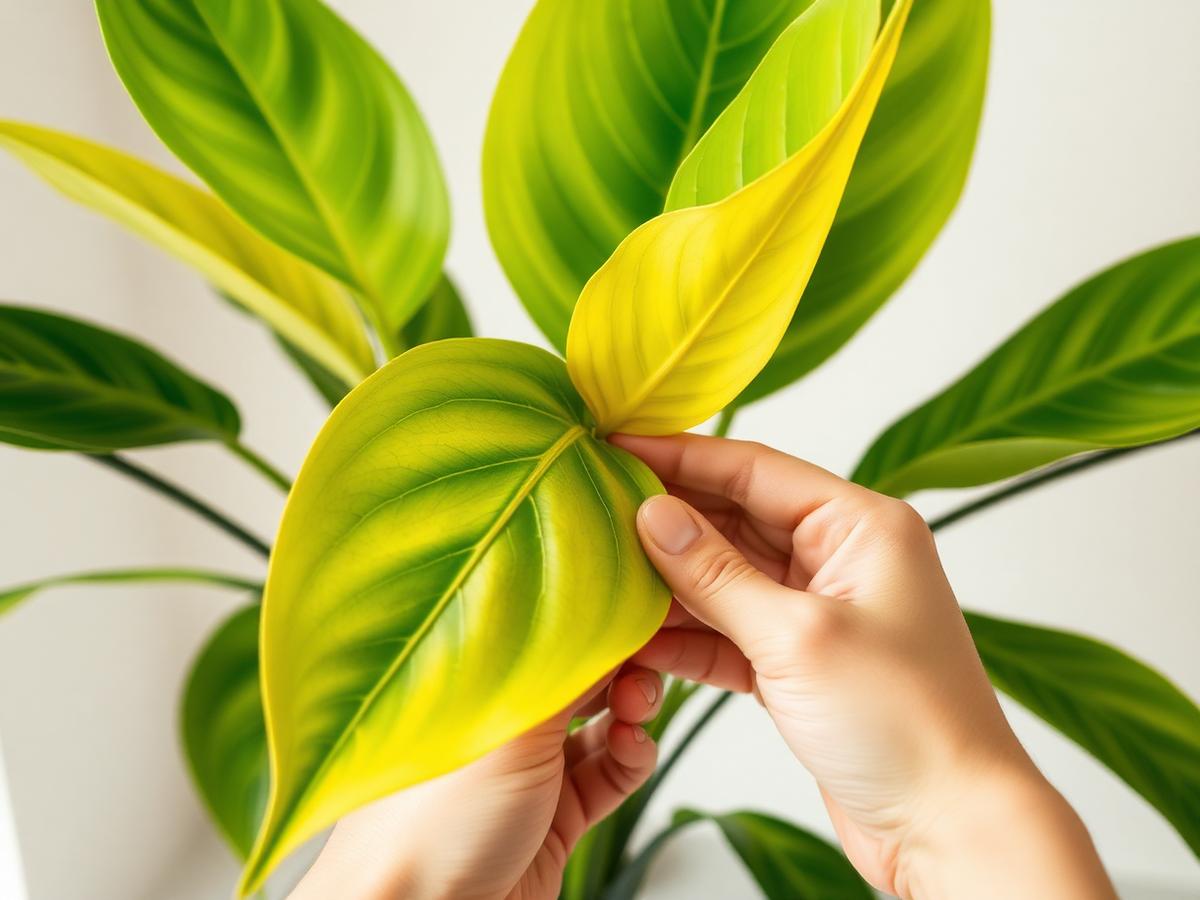
- 1Squeeze the base of a flopping leaf gently. Soft, mushy, or yellowing → root or rhizome rot. Firm and pale → light or top-heavy.
- 2Tug a leaf with light upward force. Pulls out cleanly with no resistance → the rhizome has rotted at that point.
- 3Lift the pot. Heavy and waterlogged 4+ days after the last watering → drainage / overwatering. Light and dry → underwatering or rootbound.
- 4Note recent changes — repot, room move, cold draft, heater on nearby? → environmental shock.
Cause 1: Overwatering and rhizome rot (the most dangerous)
A snake plant stores water in a thick underground rhizome and in the leaves themselves — it is the houseplant most often killed by routine watering. When the soil stays damp for more than a week, the rhizome rots from the inside, and the symptom that finally appears at the surface is leaves flopping outward from a soft, yellowing, or browning base. By the time you can see it, the rot is already weeks along.
Unpot immediately and check. A healthy rhizome is firm and creamy white; a rotted rhizome is brown, soft, and smells sour. Trim every soft section with a sterilised knife, dust the cuts with cinnamon or sulphur powder, and repot into a dry, gritty cactus mix in a pot one size smaller. Hold water for 10–14 days. The full root rot recovery protocol covers severity grades and when propagation is the better rescue path.
- ·Leaves yellow at the base and flop outward from the centre.
- ·Soil still damp 5+ days after watering; pot feels heavy.
- ·Sour or musty smell when you put your nose to the soil surface.
- ·Leaves pull out of the soil cleanly when tugged.
- ·Recovery: 2–6 weeks with rhizome trim, dry mix, and held watering.
Cause 2: Not enough light
Snake plants tolerate low light, but tolerance is not preference. In under 1,000 lux — the typical light level 2+ metres back from a window — leaves elongate, thin, and lean visibly toward the brightest spot in the room. The plant is not falling over so much as stretching sideways. New leaves emerge weaker than older ones and bend at the base under their own weight within months.
The fix is to move the plant within 1–2 m of a bright window. The target is 5,000–15,000 lux for at least 6 hours a day; an east, west, or south window with a sheer curtain delivers it. The full light reference is in understanding light levels for indoor plants, and the snake plant care guide explains why "low-light" rankings on plant labels are misleading. Existing leaning leaves will not straighten — but new growth will come in upright.
Cause 3: Top-heavy growth and the wrong pot
A mature snake plant in a tall plastic nursery pot can become physically top-heavy — the leaf weight exceeds the pot's ability to anchor the rhizome, and the whole plant tilts. The classic giveaway: the plant looks healthy, the soil is appropriately dry, the leaves are firm at the base, but the pot itself wants to tip over. This is a structural problem, not a plant problem.
Switch to a wider, heavier pot — terracotta or stoneware, with a base diameter at least equal to two-thirds of the leaf height. Repot into a gritty cactus or aroid mix; avoid moisture-retaining "universal" potting soil, which both rots the rhizome and adds top weight. A proper repot usually solves the lean within hours of being settled.
Cause 4: Cold damage
Snake plants come from West African drylands and lose structural integrity below about 10 °C. Cold-damaged leaves become limp at the base, often with translucent water-soaked patches that turn brown within days. A common Nordic-winter trigger: a plant left next to a single-glazed window or on a cold floor near an external door. Once the damage is done, the affected leaves do not recover — they have to be removed.
The fix is environmental: move the plant to a stable spot at 18–25 °C, away from cold draughts, AC vents, and external windows in winter. New growth comes in from healthy rhizome sections within 4–8 weeks of stable temperatures. Cut damaged leaves off at the soil line with a clean knife — leaving them in place invites rot to spread to the rhizome.
Cause 5: Recent repot or division
A snake plant that has just been repotted or divided commonly droops for 1–3 weeks while the rhizome re-establishes contact with the new soil. This is normal repot shock and not a cause for action. The leaves remain firm at the base, but the whole plant looks looser than it did before. If you repotted within the last two weeks, the odds are 80%+ that this is the cause.
Do less, not more. Keep the plant out of direct sun, do not water for a full week (snake plant rhizomes need to seal cut surfaces before exposure to moisture), and resist fertilising. New roots establish within 2–3 weeks and the plant returns to its upright posture. The should you repot a new plant immediately guide covers when not to repot in the first place.
Cause 6: Old, mature leaves at the end of their life
Snake plant leaves do not last forever. Individual leaves live 3–5 years; the oldest one or two on a mature plant eventually yellow at the base, soften, and lean outward as the plant withdraws nutrients to new growth. This is not a problem — it is the plant's normal life cycle. The giveaway is that only one or two leaves are affected, the rest of the plant is firm and upright, and the soil and roots are healthy.
Cut the spent leaf at the soil line with a clean knife. Do not pull it — pulling can damage the connected rhizome section and create an entry point for rot. New leaves will emerge from the rhizome within a few months in good light.
Why staking is almost never the right first move
Most leaning snake plants are leaning for a reason that staking does not address. Tying a flopping leaf to a stake masks the symptom — soft base, root rot, stretching toward light — without fixing it, and often hides progressive damage until the rhizome is past saving. The only legitimate use of a stake is mechanical support for a heavy mature leaf on a healthy plant after the underlying issue has already been resolved.
If you must stake, use a soft tie (rubber-coated wire or jute) at the leaf's midpoint, never tight at the base, and never around a leaf with a soft base. Even then, expect to remove the stake once the plant settles — long-term staking weakens the leaf further by removing the gravitational signal that builds structural fibre.