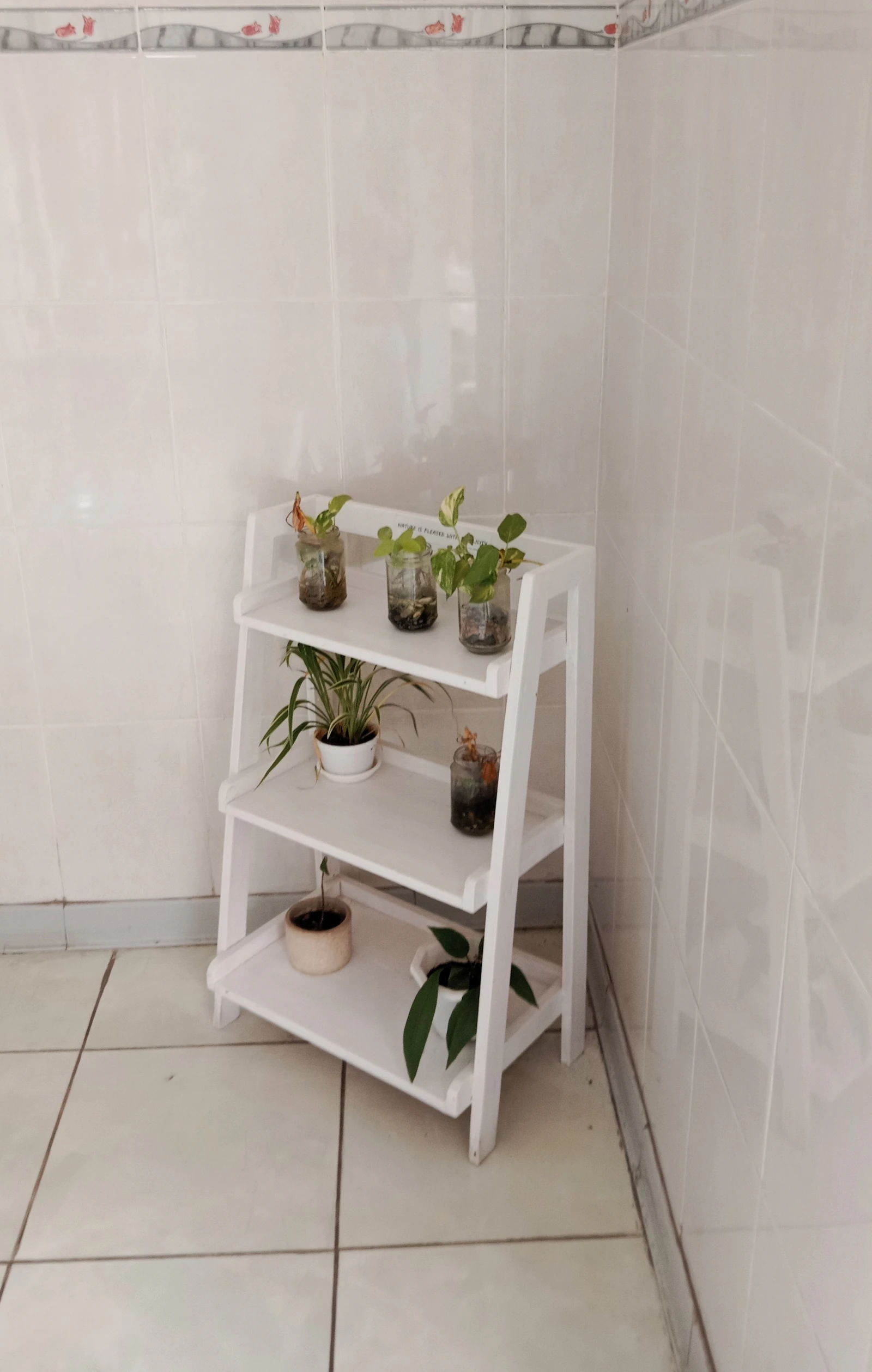
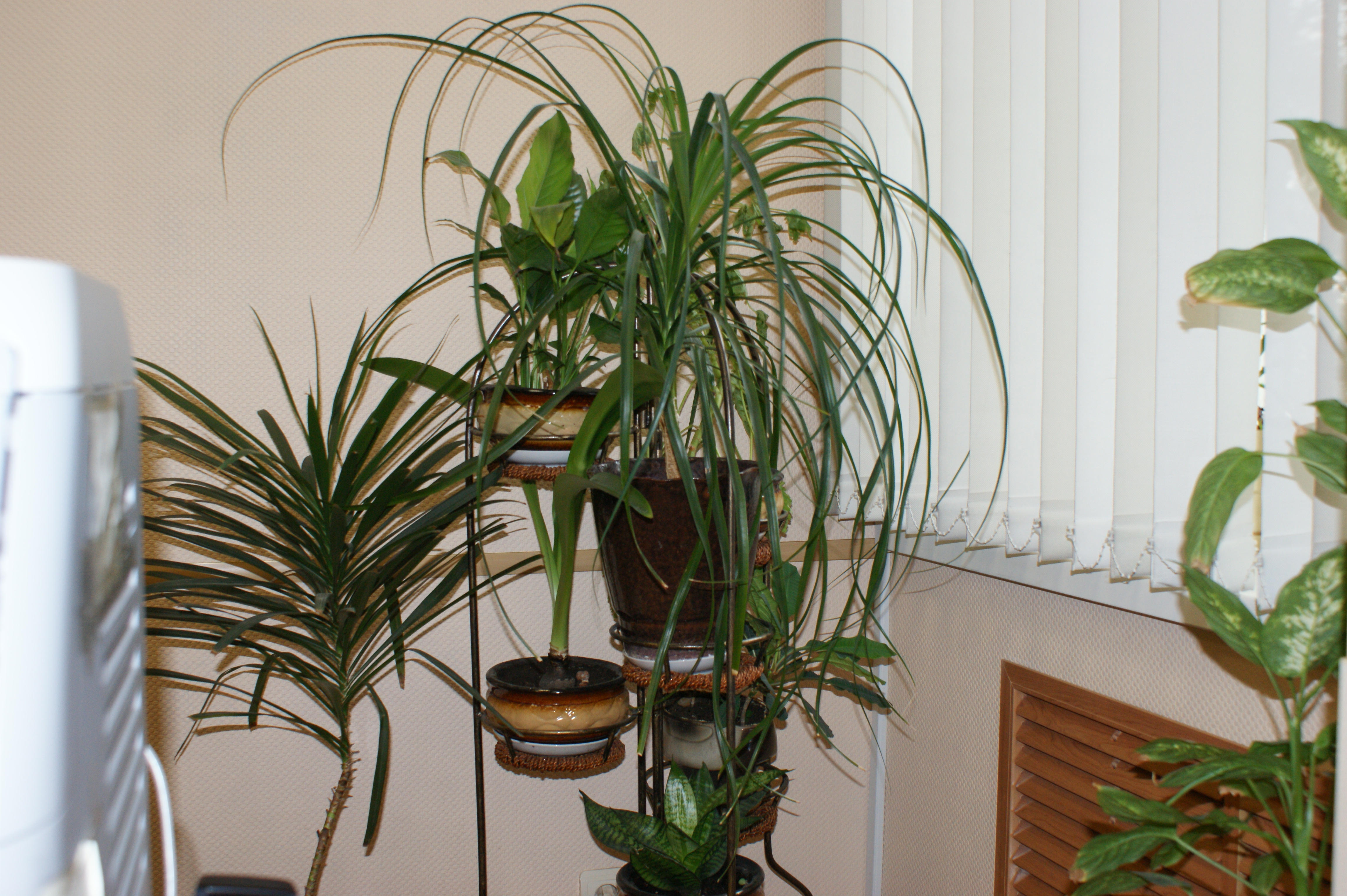
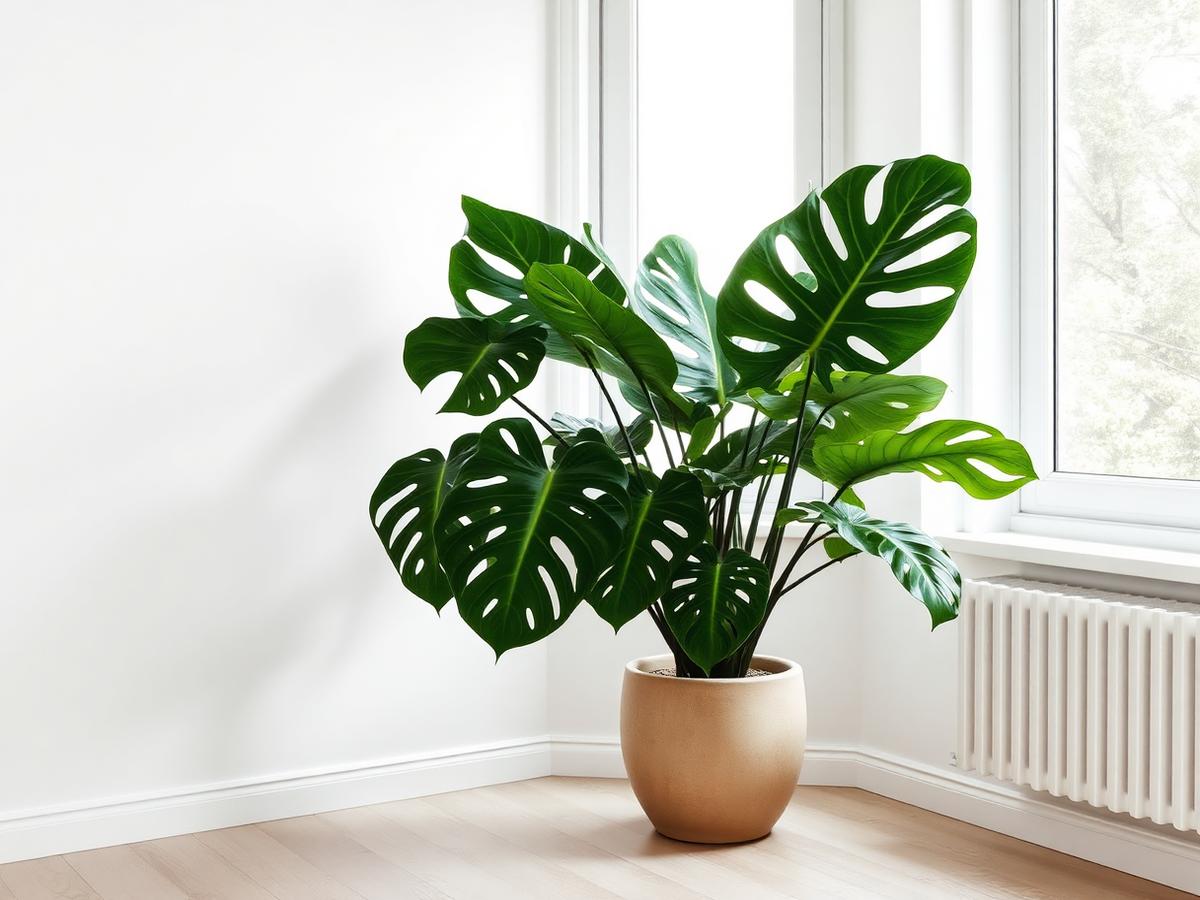
The five ways to tell them apart
Botanists use multiple features because no single one is 100% reliable — cultivars blur the edges. Combine two or three of these and the ID is certain.
- 1Leaf texture: Pothos leaves are noticeably thicker and glossier. Philodendron leaves are thinner, softer, and often matte.
- 2Leaf shape: Pothos leaves are slightly asymmetric — one side of the leaf base is a bit longer than the other. Philodendron leaves are symmetric, classic heart-shape.
- 3Petiole: Pothos has a grooved or channelled petiole (the stem that holds the leaf); philodendron has a smooth, round petiole.
- 4New growth: New philodendron leaves emerge from a papery pink, red, or pale sheath (a cataphyll) that dries and drops off after a few days. Pothos produces new leaves directly from the stem with no sheath.
- 5Aerial roots: At each node, pothos has one thick stubby aerial root. Philodendron nodes have multiple thinner aerial roots that look like fine fingers.
Leaf shape and texture in detail
Hold a pothos leaf and a philodendron leaf side by side and the difference is obvious even to a beginner. Pothos leaves feel almost waxy — like a rubbery plastic — and catch the light with a high shine. Philodendron leaves feel more paper-like, softer to the touch, and absorb light with a matte finish.
The asymmetry in pothos leaves is subtle but reliable. Look at the base of a pothos leaf where it meets the petiole — one side of the heart-shape is slightly pulled out farther than the other, giving a lopsided appearance. Philodendron leaves are balanced on both sides of the central vein. It's the kind of detail you notice once you know to look for it.
The petiole — the single clearest tell
The petiole (leaf stem) is the most reliable feature of all. Run a fingernail along the length of a pothos petiole and you'll feel a distinct groove or channel running along the top. On a philodendron, the petiole is perfectly smooth and round — no groove, no ridge, no flat side.
This is the feature botanists lean on when photos are ambiguous, because it's physical and unaffected by lighting, leaf age, or cultivar variation. If you can feel a groove, it's a pothos.
The new-leaf sheath (cataphyll)
Philodendrons produce every new leaf from inside a papery sheath called a cataphyll. The sheath is often pink, red, or cream, and wraps the emerging leaf until it unfurls. Within a few days of the leaf opening, the sheath dries to a brown papery strip and eventually drops off — you'll find them at the base of the stem or on the soil.
Pothos has no cataphyll. New pothos leaves emerge tightly rolled but uncovered, directly from the node. If you see a papery pink sheath at any point, the plant is a philodendron (or its close relative).
Aerial roots and growth habit
Both plants climb in the wild, using aerial roots to attach to trees. The roots look different. At each leaf node, pothos has a single, thick, stubby aerial root — you'll often see them as short bumps or stubs protruding from the stem. Philodendron nodes produce multiple thinner aerial roots that can look like small tangled fingers.
In terms of overall habit, pothos tends to grow slightly faster and has longer internodes (the gaps between leaves) when trailing. Philodendron heartleaf trails more densely, with shorter internodes, creating a fuller-looking vine.
Common pothos cultivars
Pothos (Epipremnum aureum) comes in many popular cultivars that differ mostly in variegation pattern. All share the core pothos features above — thicker waxy leaves, grooved petiole, slightly asymmetric base.
- ·Golden Pothos: classic yellow-and-green marbling; the most widespread variety.
- ·Marble Queen: heavy white/cream variegation across the whole leaf. Slower-growing than Golden.
- ·Neon: entire leaf bright chartreuse-green. No variegation; colour darkens with age.
- ·N'Joy: small white panels with defined borders between green and white.
- ·Manjula: irregular cream, white, and pale-green patches, often with pink streaks.
- ·Pearls and Jade: similar to N'Joy but with finer white speckling mixed in with the panels.
- ·Global Green: central green with light-green borders.
- ·Cebu Blue (Epipremnum pinnatum): blue-tinged long narrow leaves, often mis-sold as a "pothos cultivar" — it's a related but different species.
Common philodendron cultivars
Philodendron is a huge genus with hundreds of species; the one most often confused with pothos is the heartleaf philodendron (Philodendron hederaceum). Key cultivars and close relatives:
- ·Heartleaf (Philodendron hederaceum): plain dark-green matte leaves, the "classic" philodendron.
- ·Brasil: yellow and green variegated heartleaf — closest look-alike to Golden Pothos, tells apart by matte texture, smooth petiole, and cataphylls.
- ·Micans (velvet-leaf): soft iridescent velvety bronze-green leaves.
- ·Lemon Lime: bright chartreuse leaves, darker than pothos Neon.
- ·Silver (Scindapsus pictus, "Satin Pothos"): often mistaken for a pothos or philodendron — it's actually a different genus (Scindapsus) with silver-speckled matte green leaves.
- ·Pink Princess: vining variegated philodendron (P. erubescens 'Pink Princess') with chimeric hot-pink patches on burgundy-green leaves. Easy to tell from pothos by the burgundy leaf undersides — full ID, real-vs-fake, and care in the Pink Princess care guide.
- ·Prince of Orange, Birkin: upright self-heading philodendrons with very different growth habit — easy to tell apart from pothos at a glance.
- ·Philodendron selloum / bipinnatifidum: the "split-leaf philodendron" is neither heartleaf nor pothos — a self-heading tree form often confused with Monstera (compared in detail here).
The look-alikes that confuse both
Two plants are commonly mis-sold as pothos or philodendron. Knowing them saves the embarrassment of proudly ID'ing the wrong plant.
- ·Scindapsus pictus ("Satin Pothos"): silver-splotched matte leaves. Neither pothos nor philodendron — a different genus entirely. Has its own quirks (sensitive to overwatering, slower-growing) worth looking up separately.
- ·Rhaphidophora tetrasperma ("Mini Monstera" or "Philodendron Ginny"): small fenestrated leaves that look like baby monstera. Often mis-sold as a philodendron; care is similar to monstera and philodendron both.
- ·Epipremnum pinnatum ("Cebu Blue"): blue-tinged long narrow leaves. Sold as a pothos cultivar; it's a closely related species in the same genus.
Care — the small but real differences
Both plants are among the easiest houseplants to keep, and general care is similar. But there are a few meaningful differences worth knowing.
- ·Light: Pothos tolerates bright indirect to medium light well; direct sun burns quickly. Philodendron tolerates slightly lower light than pothos; variegated pothos varieties lose colour in low light while heartleaf philodendron stays green.
- ·Water: Both like to dry between waterings, but philodendron tolerates slightly damper soil. Pothos is more sensitive to overwatering and shows it faster.
- ·Humidity: Both tolerate typical indoor humidity (30–50%). Philodendron micans prefers higher humidity (50%+).
- ·Growth speed: Pothos tends to grow faster in good light; philodendron grows denser with shorter internodes.
- ·Propagation: Both root easily from stem cuttings in water. Cut below a node with an aerial root; both should show new roots in 1–3 weeks.
- ·Toxicity: Both are toxic to cats and dogs if chewed — they contain calcium oxalate crystals that irritate the mouth and throat.
How to confirm in 30 seconds
A reliable 30-second check, in order of speed.
- 1Run a fingernail along the petiole. Grooved = pothos. Smooth = philodendron. Done for most plants.
- 2If still unsure, look for a papery pink or red sheath at the base of a new leaf or on the soil below. Present = philodendron. Absent = pothos.
- 3Feel the leaf. Thick and glossy = pothos. Thin and matte = philodendron.
- 4Check the base of the leaf. Slightly asymmetric = pothos. Symmetric = philodendron.
- 5If all four agree: certain ID. If mixed signals, run a photo through Pl@ntNet or an identification app.
Does it matter which one you have?
For survival, not much — both tolerate a wide range of conditions and recover from neglect. For fine-tuning care, yes. Pothos in very low light stops growing and loses variegation; philodendron in the same spot keeps producing (smaller) green leaves. Pothos in consistently damp soil rots faster; philodendron tolerates more moisture.
For collectors, the ID also matters because some rare cultivars (Pink Princess Philodendron, certain Monstera Albo varieties) are frequently mis-sold as common look-alikes. Knowing the visual tells protects against paying rare-plant prices for common varieties.