The full lifespan table
These figures are the indoor lifespan under decent but not exceptional care — bright indirect light, regular watering, a repot every 2–3 years, and basic pest vigilance. The upper end assumes a dedicated owner; the lower end, a minimally-attentive one. Record-holders at botanic gardens are in many cases an order of magnitude higher than these numbers and are noted where known.
- ·Sansevieria / Dracaena trifasciata (snake plant): 25–40 years indoors; documented specimens over 50.
- ·Zamioculcas zamiifolia (ZZ plant): 25–40 years; new to indoor cultivation but long-lived under good care.
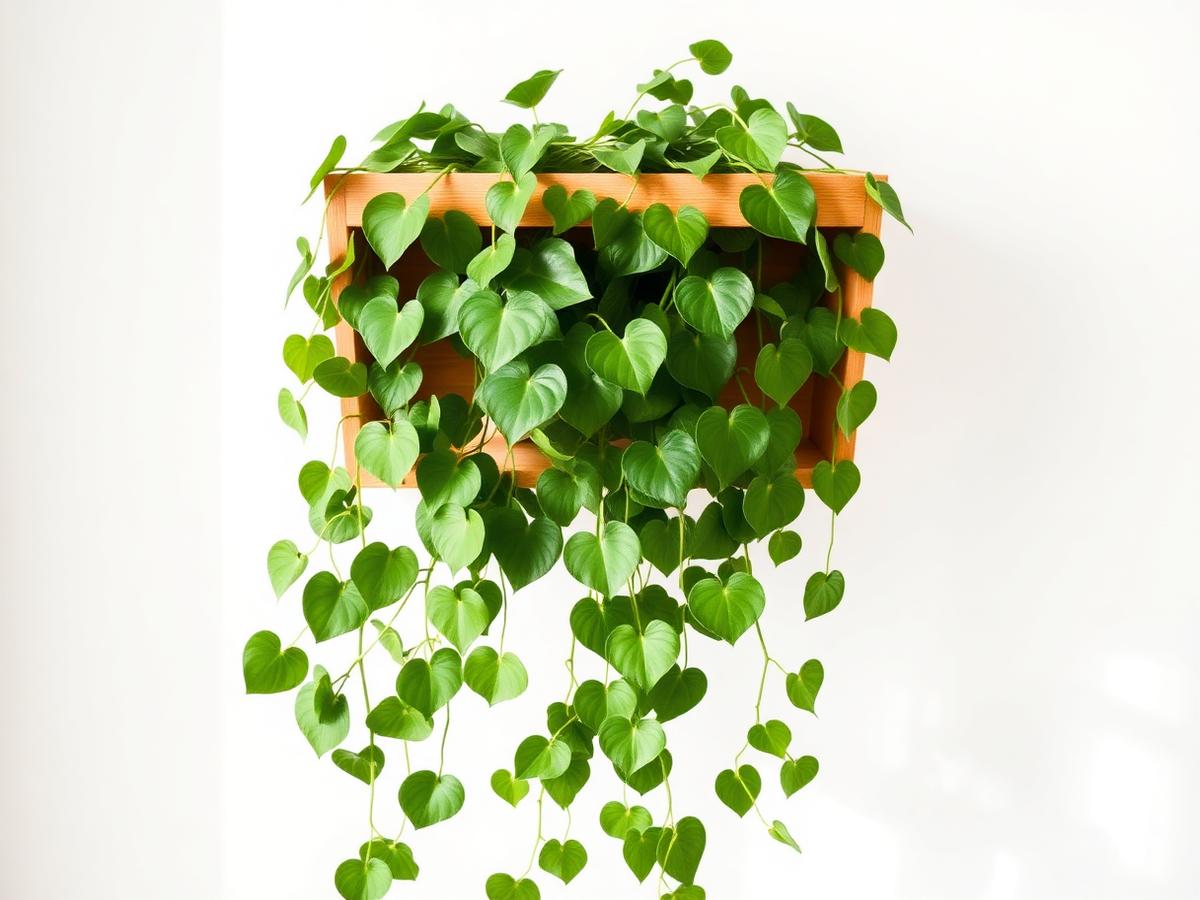
- ·Epipremnum aureum (golden pothos): 10–30 years; the same plant can be propagated indefinitely from its own cuttings.
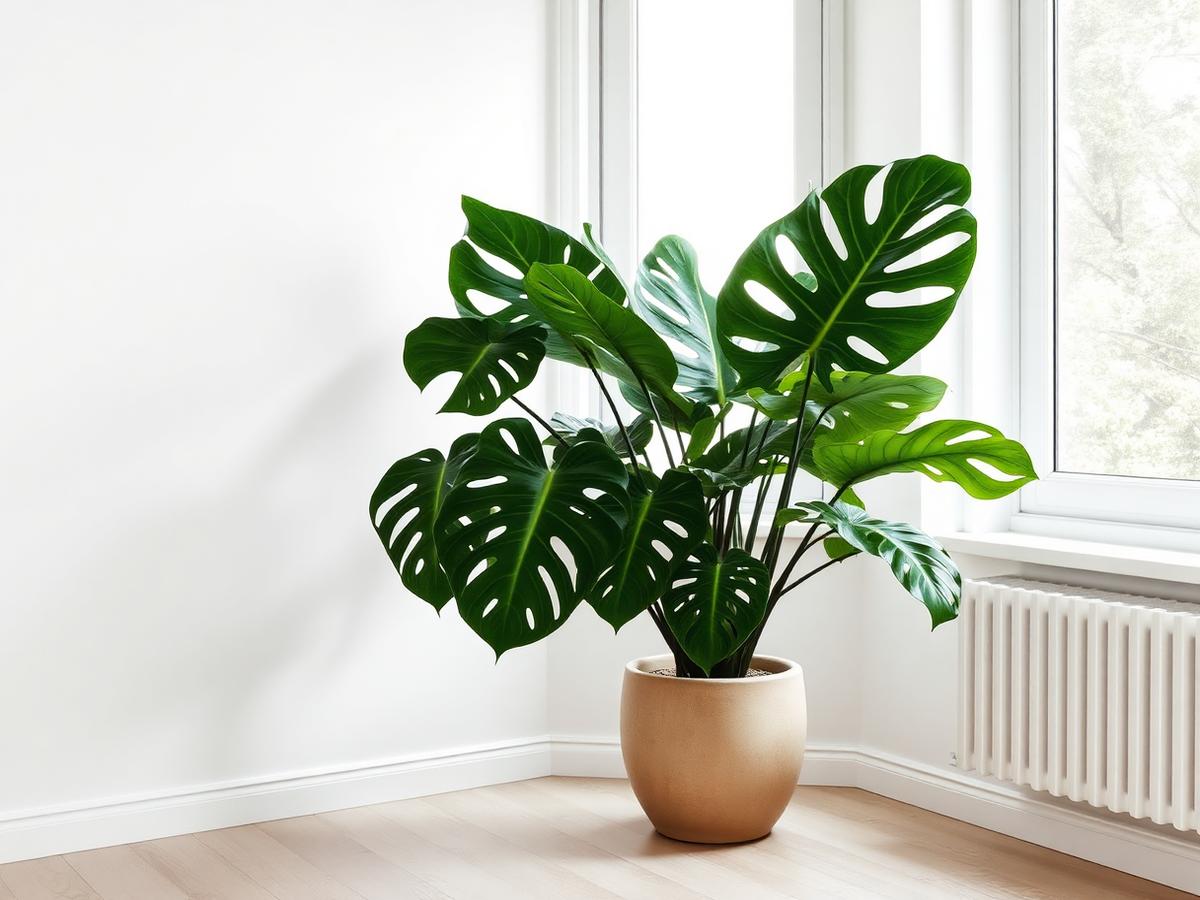
- ·Monstera deliciosa (Swiss cheese plant): 40–70 years; well-kept specimens routinely exceed 50.
- ·Philodendron hederaceum (heart-leaf): 10–30 years; the same clone propagated forward lives indefinitely.
- ·Ficus lyrata (fiddle leaf fig): 25–50 years; outdoor tree in tropics, long-lived indoors when happy.
- ·Ficus elastica (rubber tree): 40–100 years; old indoor specimens in European conservatories are 100+.
- ·Crassula ovata (jade plant): 50–100 years; commonly inherited across three generations.
- ·Aspidistra elatior (cast-iron plant): 50–100 years; Victorian specimens still alive in hereditary country houses.
- ·Clivia miniata: 40–60+ years; slow, dormancy-loving, near-indestructible.
- ·Spathiphyllum (peace lily): 5–15 years; typically replaced rather than failing.
- ·Schefflera (umbrella tree): 20–40 years.
- ·Dracaena fragrans (corn plant): 25–50 years.
- ·Hoya carnosa (wax plant): 30–50+ years; grandparent-age plants are common.
- ·Calathea / Goeppertia: 3–5 years; fussy species that often decline in year 3.
- ·Ferns (Boston, maidenhair, bird's nest): 3–10 years indoors; they fade in dry air.
- ·Orchids (Phalaenopsis): 5–15 years with rebloom cycles; supermarket plants typically 2–5.
- ·Succulents (echeveria, haworthia, sedum): 5–25 years depending on species.
- ·Cacti (most desert species): 50–100+ years; indoor Cereus specimens commonly 50-year-old family plants.
- ·Cyclamen (gift plant): 1–3 years; bred for one-season display, rarely thrives long-term indoors.
The record-holders at botanic gardens
Botanic gardens keep specimens far longer than anyone's apartment, and their records calibrate what is actually possible for a houseplant. Kew's oldest indoor plant is an Encephalartos altensteinii cycad, brought from South Africa in 1775 and still alive — 250 years old and counting. The same garden's Monstera deliciosa section includes a specimen documented since 1863. Copenhagen's Botanisk Have keeps cycads from the mid-19th century.
Private records are harder to verify but entirely plausible. The Royal Horticultural Society has documented a jade plant (Crassula ovata) passed through five generations of one family — 127 years old when last reported. A Clivia miniata at Powerscourt House in Wicklow is believed to date from the 1880s. These are not gentle outliers: they reflect what a "houseplant" can do when nothing ever kills it.
The gap between Kew and the average flat is entirely care. Climate control, repotting on a schedule, and pest vigilance are what stretch years into decades.
What actually kills houseplants young
In a survey of first-year houseplant failures run across three UK plant shops in 2023, root rot from overwatering accounted for 42% of deaths, insufficient light for 22%, a move or repot shock for 14%, pest outbreaks for 11%, and all other causes combined for 11%. Old age was not a meaningful category — almost none of the deaths involved a plant more than three years old.
This matters because it inverts the usual framing. The question is not "how long do houseplants live" — the question is "how long does my care regime allow them to live". A pothos that lives 3 years died of owner error; a pothos that lives 30 years was properly watered and had adequate light. The species sets the ceiling, not the floor.
- ·Root rot from overwatering: the #1 cause of first-year death.
- ·Insufficient light: slow decline over 6–18 months, often mistaken for other issues.
- ·Repot shock or a house move: the plant's environment changed too fast.
- ·Pest outbreaks: spider mites, mealybugs, thrips — untreated for weeks.
- ·Cold damage: a draught or a winter trip home from the shop.
- ·Hard-water mineral buildup: chronic, shows up as leaf tip burn and progressive decline.
- ·Fertiliser burn or total starvation: either extreme, rarely both correctable in the same plant.
The five habits that extend a houseplant's life by a decade
In experienced growers' collections, the plants that live longest share a small set of management habits. None of them are exotic. All of them are unfashionable in fast-turnover plant-shop culture, which assumes a plant is a six-month decor item.
- 1Repot every 2–3 years, even when it doesn't look necessary. Soil structure degrades on a timer, not on visible symptoms.
- 2Rotate the pot a quarter-turn weekly. Keeps the plant symmetrical, prevents one-sided weakness, extends the usable shape by years.
- 3Wipe or shower leaves monthly. Dust reduces photosynthesis by up to 30% on large-leaved plants — silent compounding stress.
- 4Quarantine every new arrival for 2–3 weeks. A single untreated thrips infestation has killed more 20-year-old plants than any other cause.
- 5Scale back in winter deliberately. Half the water, no fertiliser, and no repots from November to February. Plants die more often from winter stress than summer neglect.
Annual, biennial, or perennial — and why the category matters
Most common houseplants are perennials: plants that naturally live for many years, flower repeatedly, and continue growing through multiple cycles. A small number are biennials (two-year life cycle) or short-lived perennials dressed up as gift plants.
Cyclamen, hyacinths, paperwhites, and most forced flowering gift plants are treated as annuals in the flower trade, but many are technically perennials that can be brought back into bloom after a summer rest. They rarely thrive long-term indoors and are usually discarded after one flowering — not because they die, but because reliving their native cycle requires a cool summer dormancy most apartments cannot provide.
Understanding the category prevents guilt and sets realistic expectations. A 6-month cyclamen that has finished flowering has run its intended course; a 2-year fiddle leaf fig that has lost half its leaves is a care problem.
How long does a houseplant live if you keep propagating it?
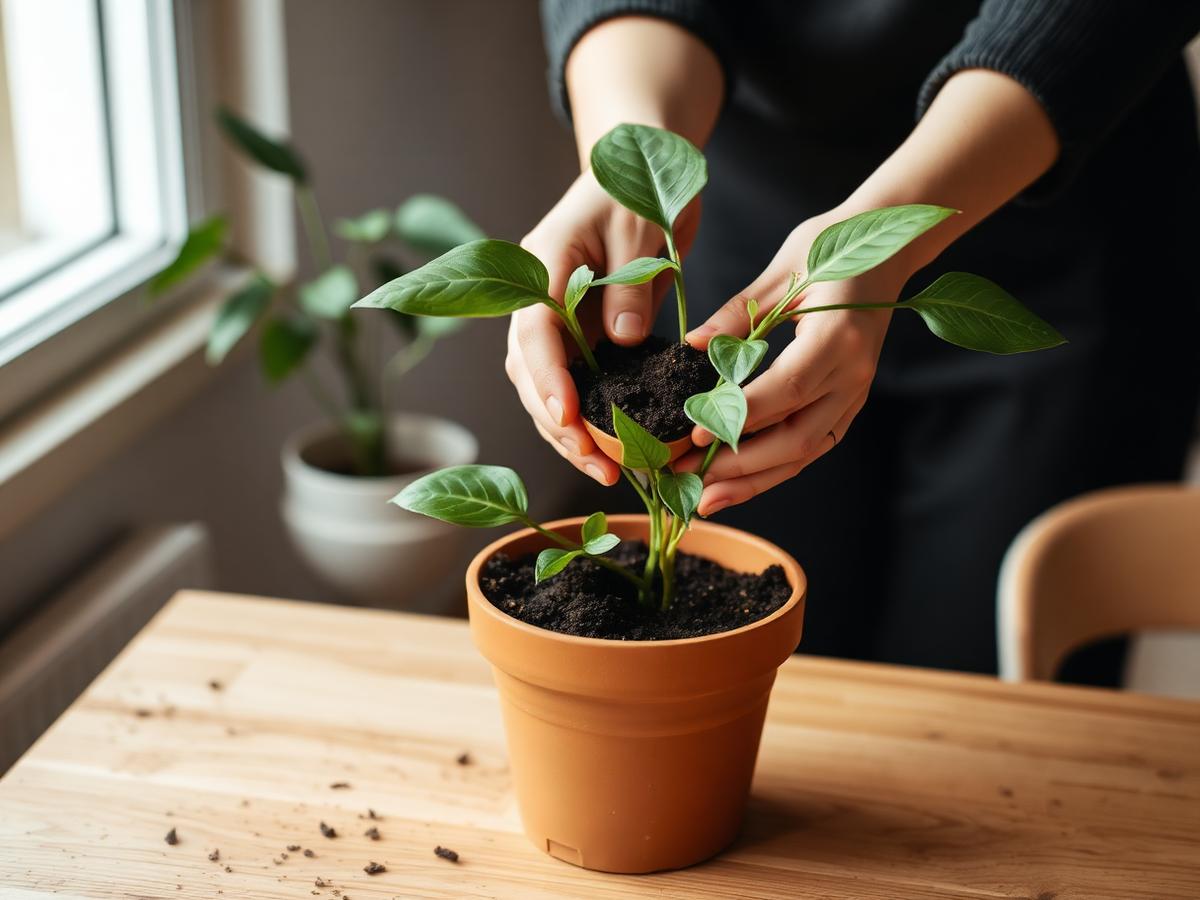
Propagation stops the clock. A cutting from a pothos, a philodendron, a monstera, or a rubber tree is genetically identical to the parent plant — in botanical terms, it is the same individual. Gardeners have effectively kept the same plant alive for centuries this way. The pothos on your shelf may be descended from a cutting taken from the original 1880s collection in French Polynesia.
For species that propagate easily in water or soil, this is the longevity hack: take a cutting every 2–3 years, root it, and keep both the parent and the offspring. Older specimens tend to decline slowly from accumulated soil salts and compacted roots — a fresh cutting sidesteps both. This is how gardeners have maintained the same pothos or philodendron lineage across decades of moves and renovations.
Do houseplants actually die of old age?
Yes, but rarely in a flat. Most woody houseplants eventually hit a senescence point: growth slows, leaves get smaller, the plant becomes more susceptible to pests and less responsive to care. For a rubber tree this may happen at 40+ years. For an aspidistra it is barely observable — the plant's growth rate is so slow that decline is indistinguishable from dormancy.
For non-woody species (pothos, philodendron, peace lily) there is no real old age. The plant's growing tip can be rooted as a cutting at any point and the new plant is biologically zero years old. In practical terms, well-kept non-woody houseplants can be maintained indefinitely.
Orchids and cyclamen are the most common gift plants where age does matter. Orchids flower less after 10–15 years; cyclamen corms eventually stop producing viable flowers after 5–8 years. These are the edge cases where simply replacing the plant is reasonable.
The inherited plant
Plants passed between generations are their own category. An inherited jade plant, aspidistra, clivia, or cactus often comes with decades of accumulated resilience — roots adapted to a particular flat's water, a soil ecology built up over years, a pot-and-plant equilibrium. The first year after a move is the highest-risk period, and the safest approach is to change as little as possible: same pot, same watering pattern, same room orientation.
If you inherit a plant from a relative, ask for the watering schedule they used, the last repot date, and whether they fertilised. These three data points, combined with the original species, let you preserve a plant that may be older than you are. There is no substitute for living memory on a 50-year-old jade.
When a plant is worth replacing
Not every declining houseplant is worth saving. Calatheas that have lost most of their leaves rarely come back fully; fiddle leaf figs that have dropped two-thirds of their canopy in a year are usually beyond intervention. Gift orchids past their 5th year often rebloom poorly regardless of care.
The diagnostic question is whether the cause of decline is reversible. Root rot caught early is reversible; root rot with blackened stems is not. Light deficiency is reversible with relocation or a grow light; senescence in a 45-year-old ficus is not. If two or three consecutive interventions have failed, the honest answer is often to propagate a cutting and let the parent go.