Why mail-order plants arrive stressed
A plant in transit experiences three stresses simultaneously: darkness, temperature swings, and forced stillness. Even a 2-day shipment delivers a plant that has had no light for 48+ hours, transitioned through cargo holds and trucks at 5–35 °C, and been packed tightly enough that some leaves were pressed against cardboard or paper for the entire journey. Longer transits compound each stress.
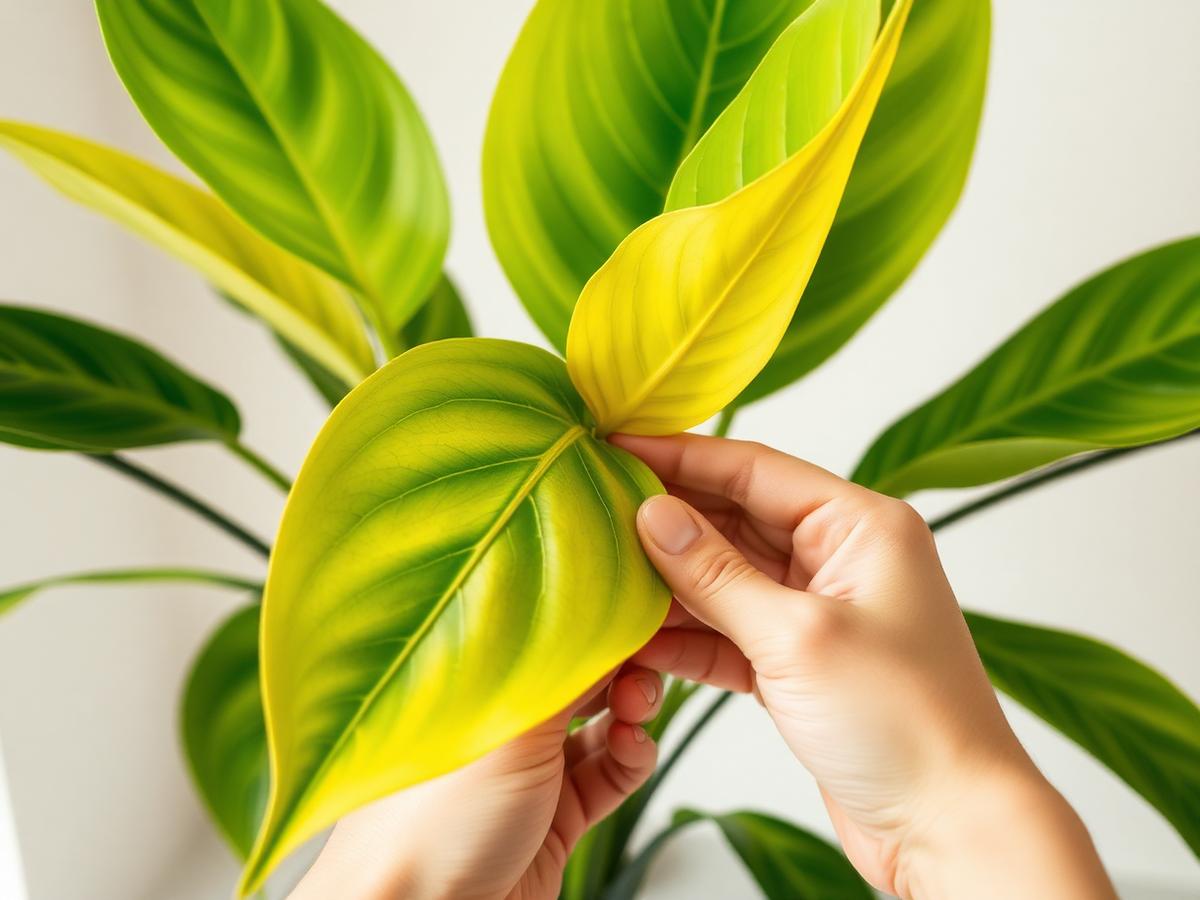
What you see on day 1 is not a watering or light problem — it is the cumulative effect of the trip. Symptoms range from mild leaf drop and limp stems to extensive yellowing and stem softening. Plants with thick, fleshy leaves (succulents, ZZ plant, snake plant) ship best; thin-leaved tropicals and ferns show transit damage immediately.
The 30-minute unboxing routine
What you do in the first half hour matters more than anything you do in the next two weeks. Move steadily and do not introduce new stresses.
- 1Open the box immediately on arrival — do not leave it overnight even if you are tired.
- 2Cut tape and wrappings carefully; remove paper, wood-wool, or shredded packaging from around the plant.
- 3Lift the plant out by its pot, not its stem. Photograph any visible damage in case you need to file a complaint.
- 4Stand the plant upright in moderate indirect light (no direct sun, no full dark). The kitchen counter or coffee table works.
- 5Check the soil. If bone-dry, water lightly — half a normal volume. If damp, do not water.
- 6Inspect for pests: hidden mealybugs, spider mites, fungus gnats. Quarantine away from other plants regardless of what you see.
The first 24 hours: what to do (and not do)
Resist the temptation to set the plant up perfectly on day 1. The plant cannot take a stress recovery and a habitat overhaul simultaneously.
- ·DO: place in moderate, indirect light — 5,000–10,000 lux is plenty for the first week regardless of species preferences.
- ·DO: keep room temperature stable at 18–22 °C; avoid window sills with cold drafts.
- ·DO: leave the nursery pot alone — even if it looks small or ugly, the plant needs root stability.
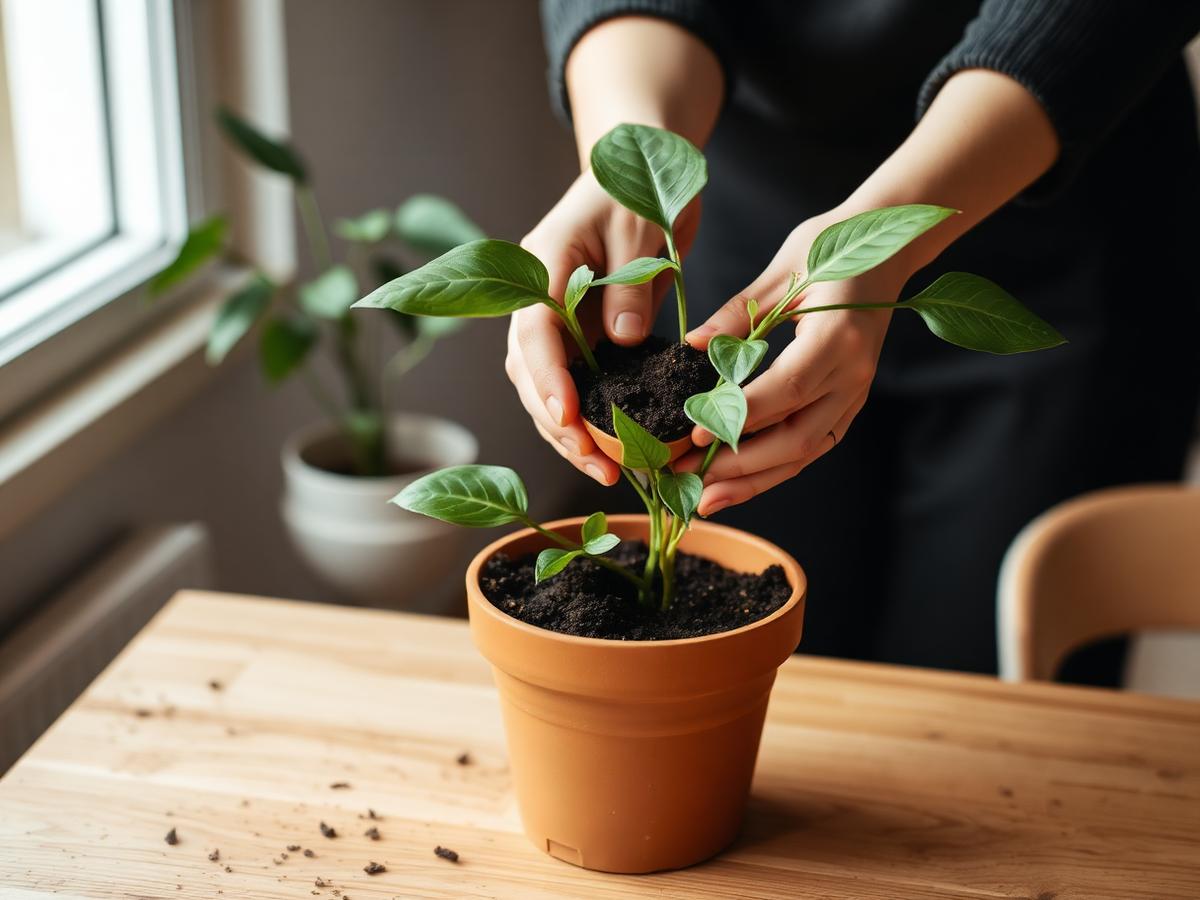
- ·DON'T: repot. Repotting on top of transit shock combines the two biggest plant stressors and kills more plants than either alone. See should you repot a new plant immediately.
- ·DON'T: fertilise. The plant is shedding tissue, not building it.
- ·DON'T: prune even obviously yellow leaves. Wait until the plant has settled and you can see what is actually dead vs recovering.
- ·DON'T: move the plant repeatedly. Pick a spot and leave it.
The 14-day recovery window
Most species recover steadily over 10–21 days if the roots arrived alive. The pattern is consistent enough that you can use it to gauge progress.
- ·Days 1–3: peak stress — drooping, occasional leaf drop, sometimes a wilt that looks alarming. Normal.
- ·Days 4–7: stabilisation — fewer new symptoms, leaves perking up if hydration is correct.
- ·Days 7–14: visible recovery — leaves regain turgor, no further yellowing, sometimes the first new growth emerges.
- ·Day 14: assessment point. If the plant is improving, ramp light to its target species level and resume normal watering.
- ·Day 21+: if no improvement by now, root inspection is warranted; the plant may have shipped with rot or no longer-functional roots.
How to water a transit-shocked plant
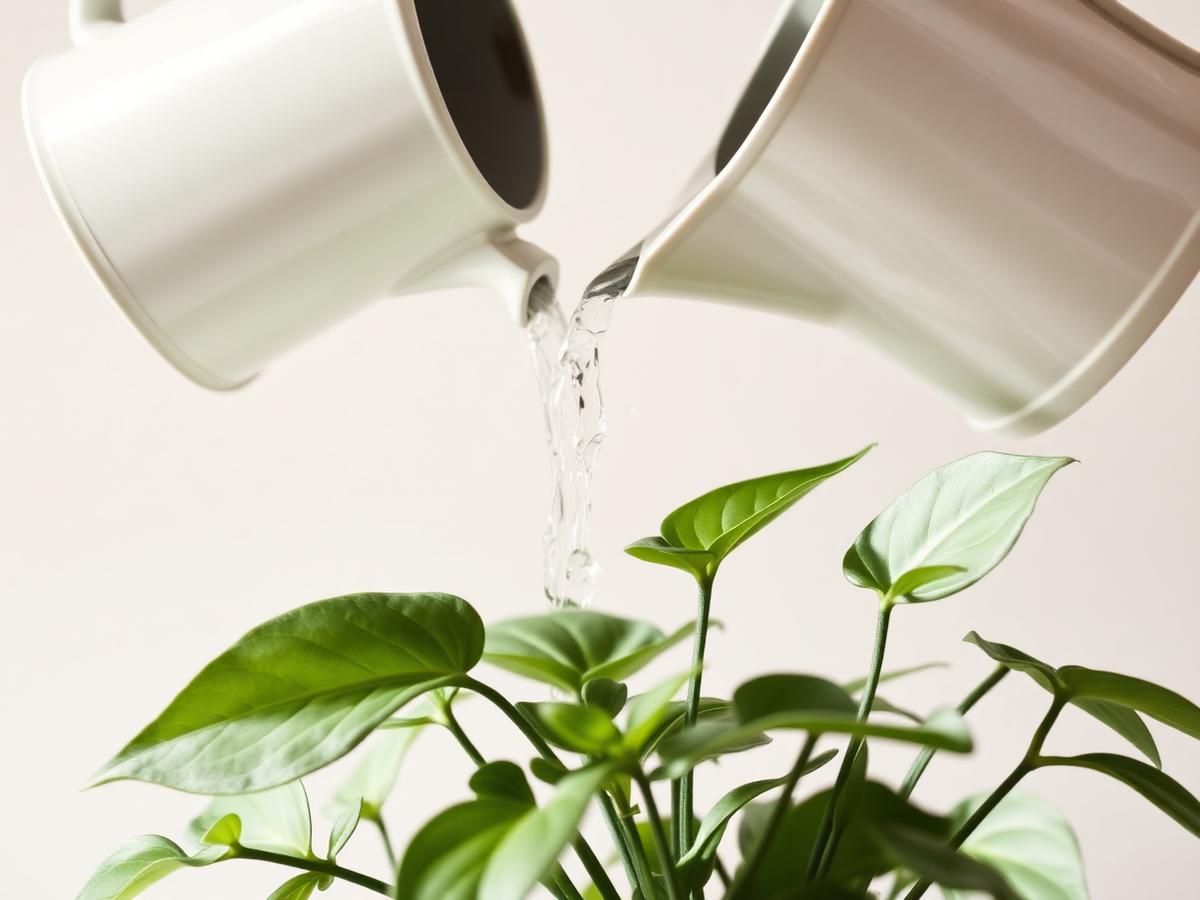
Water only if the soil is dry. A stressed plant with damaged roots cannot take up water efficiently — extra water pools in the soil, suffocating roots and triggering rot. The first 7 days are the highest-risk overwatering window of a plant's entire life.
Use the pot-weight test — a noticeably light pot with dry top soil needs water; a heavy pot does not. When you do water, give a normal volume but at room temperature, and ensure full drainage. Do not bottom-water for the first two weeks; it can lock in moisture that the stressed plant cannot use.
Signs the plant arrived dying, not just stressed
Most transit issues are recoverable. A small set are not. Slide the plant out of its pot if you see any of these signs on arrival.
- ·Stem base is mushy, soft, or black. Root rot was probably already present at packing — file a complaint with the seller.
- ·Soil smells sour or like fermentation. The plant sat in saturated soil during transit and roots started anaerobic decay.
- ·A "wet box" — the box itself is damp, dripping, or the plant arrived in 100%+ humidity. Roots may be fine but mould pressure is high; clean and air-dry.
- ·Most leaves dropped during the trip with no green growth visible. Possible but tougher recovery; cut back to firm green tissue and treat as a heavily reduced plant.
- ·Snapped main stem from impact. Take a stem cutting from the broken section — see propagation — and treat the rest as a salvage.
Plants that ship well vs poorly
Some species reliably arrive looking like nothing happened; others always show transit shock. Knowing the pattern helps you set expectations and chose vendors.
- ·Ships exceptionally: succulents, ZZ plants, snake plants, pothos, philodendron — thick, drought-tolerant, low-water-content tissue.
- ·Ships fine: most aroids (monstera, anthurium), hoya, jade — minor leaf damage but no health issues.
- ·Ships with stress: calathea, fiddle leaf fig, ficus, Begonia maculata — visible drooping or leaf drop common, recovery 14–21 days.
- ·Ships poorly: ferns (especially maidenhair), most orchids in flower, anything in active flush — recovery rate is materially worse, and small plants often do not survive long shipping windows.
- ·Avoid by mail: Calathea orbifolia in winter, anything you can find locally.
Quarantine matters
Even if your new plant looks pest-free, quarantine it 14 days from your existing collection. Mail-order plants are the single most common vector for spider mites, mealybugs, fungus gnats, thrips, and scale entering home collections — pests that thrived in the warm, sealed transit box become visible within 1–2 weeks. See tiny bugs identification for the daily inspection checklist.