What 'translucent' actually means in a succulent leaf
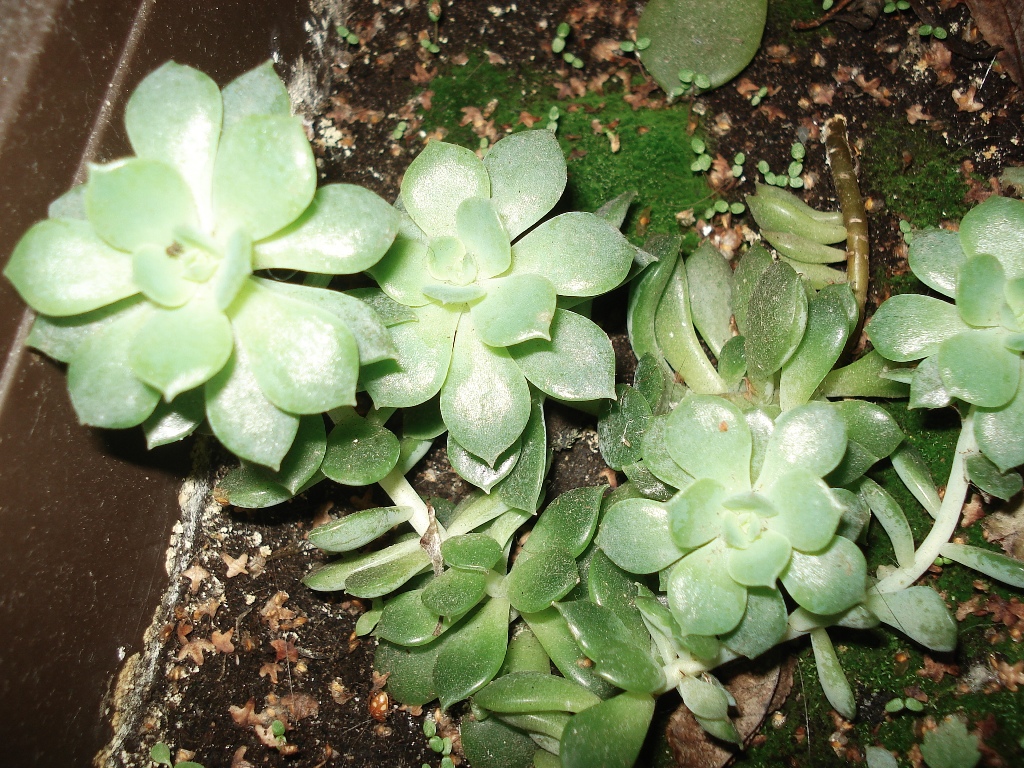
Healthy succulent leaves are firm, opaque, and elastic — pinch one and it pushes back; hold it up to the light and only a thin halo passes through. A translucent leaf has lost that opacity in patches or across the whole surface. Held to the light, the leaf glows from within; pressed gently, it gives like a half-deflated water balloon.
What you are seeing is the rupture of the parenchyma — the spongy water-storage tissue that fills the centre of every succulent leaf. Once those cells break (from sustained over-saturation, from freezing, or from the slow programmed cell death of senescence), the leaf cannot reinflate. It can keep its shape for a few days while the contents leak out, but it is structurally finished. The diagnosis is what tells you whether the rest of the plant is in trouble.
The 60-second 3-cause test
Look at three things: which leaves are affected, what the soil feels like, and what was happening to the plant in the days before symptoms appeared. The pattern sorts the three causes within a minute.
- 1Multiple leaves affected (especially lower leaves), soil is damp or recently watered, leaves drop at slight touch? → Overwatering / root rot — the most common case.
- 2Sharp-bordered glassy patches on outer leaves, often after a cold snap or near a single-glazed window in winter? → Cold damage from temperatures below 5 °C.
- 3Only the bottom 1–2 leaves are affected, they look slightly shrivelled before turning translucent, the rest of the plant is firm? → Natural senescence — old leaves dropping on schedule. No action needed.
- 4Translucent patches only on the side facing direct sun after a sudden light increase, leaves are also reddish or pale? → Sunburn — uncommon, but read bleached or sunburned leaves.
Cause 1 — Overwatering and root rot (the 80% case)
Indoor succulents evolved in arid climates and store water for weeks of drought. Watered every few days, in soil that stays damp for days at a time, the roots cannot get oxygen, suffocate, and are rapidly colonised by water-loving fungi (Pythium, Phytophthora, Rhizoctonia). The root rot moves up: the lowest leaves go translucent first, then drop at the slightest touch, then the central stem darkens. By the time the upper leaves are translucent, the root system is gone and the stem is rotting.
Speed depends on conditions. A succulent in a glazed pot with no drainage in a cool humid room can rot in two weeks; a succulent in a terracotta pot in a sunny window can absorb a single overwatering with no visible damage. The species also matters: Echeveria, Sedum, and Graptopetalum rot fastest; Sansevieria, Aloe, and Haworthia tolerate more abuse.
The fix: Stop watering immediately and check the roots. Tip the plant out of its pot and look at the root mass. White and firm = root system intact, just dry the soil. Black and mushy = root rot. Cut all blackened roots and the bottom of the stem above any rot, dust the cut with cinnamon (a mild fungistatic) or sulphur powder, leave the plant out of soil for 2–3 days to callus, then repot in dry gritty cactus mix. Do not water for 7–10 days after repotting. See overwatered vs underwatered houseplant and root rot in houseplants for the wider diagnostic.
- 1Remove the plant from wet soil and inspect the roots.
- 2Trim every blackened root and any soft section of stem with sterilised scissors.
- 3Leave the plant out of soil in bright shade for 2–3 days to callus the cuts.
- 4Repot in a terracotta pot with a drainage hole, in 50/50 cactus mix and pumice or coarse sand.
- 5Wait 7–10 days before watering — let the cuts heal first.
- 6Water sparingly for the first month, then return to a soak-and-dry cycle.
Cause 2 — Cold damage from a winter window or draught
Most popular indoor succulents come from warm-temperate to subtropical climates. Echeveria from Mexico and Crassula from southern Africa start to take damage below about 5 °C, and freezing temperatures rupture the parenchyma cells outright. The classic Nordic case is a succulent on a single-glazed windowsill where the inside surface of the glass drops below freezing on a January night — the leaves touching or near the glass freeze, thaw, and turn translucent within 24–48 hours.
Cold damage looks distinctively different from rot. The translucent patches have sharp boundaries, often run along leaf edges or across the side of the leaf that contacted cold glass, and the soil is normal (not waterlogged). The rest of the plant — central stem, upper leaves — is usually firm and undamaged. Damage to outer leaves does not spread to the rest of the plant the way rot does; the cold injury is mechanical, not infectious.
The fix: Move the plant 30+ cm away from the cold window or draught immediately. Remove the damaged leaves cleanly (they will not recover and they invite secondary fungal infection if left to rot). The plant produces replacement leaves once warm conditions return. Prevent recurrence: keep succulents 30 cm from single-glazed windows in winter, and check temperatures behind sheer curtains where cold air can pool. See how cold can houseplants survive for species-by-species cold tolerance.
Cause 3 — Natural senescence (the cause that needs no fix)
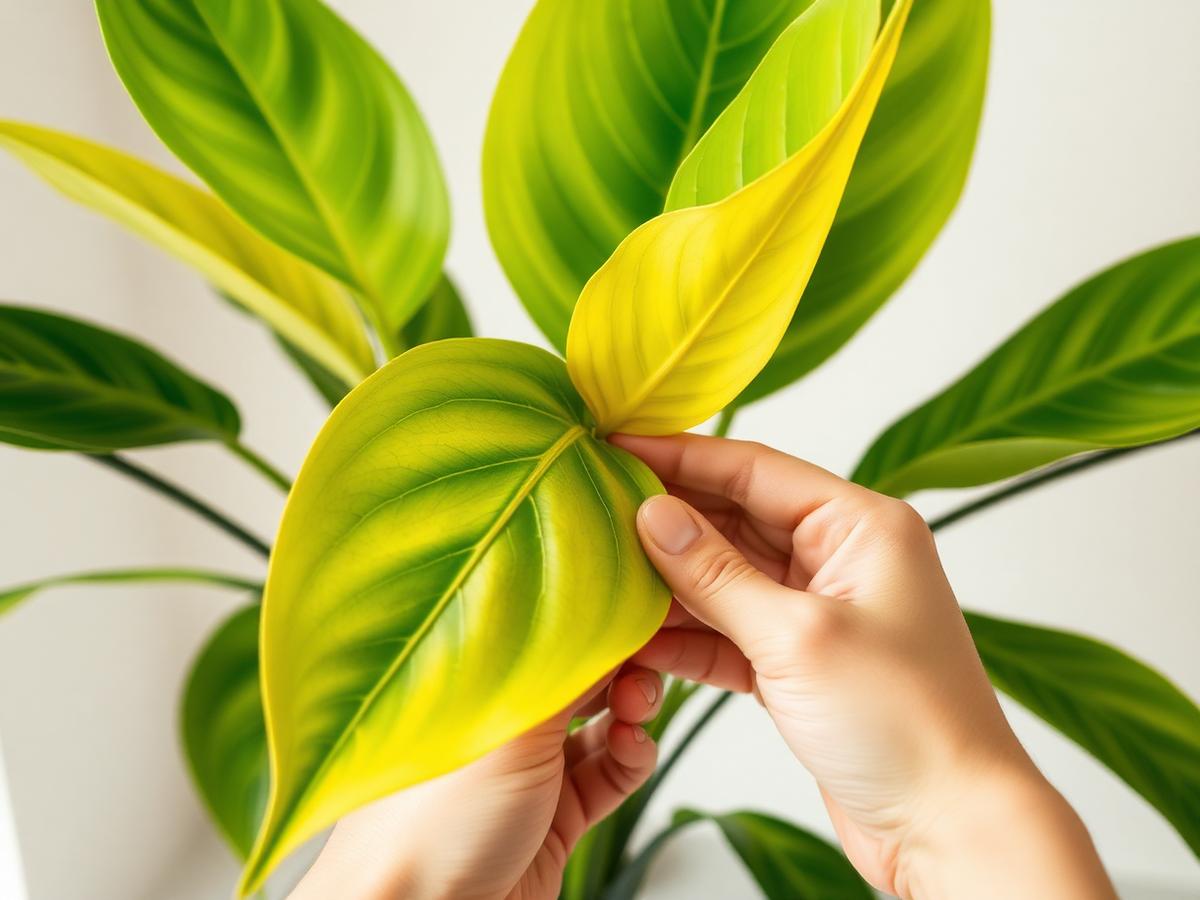
All succulents shed their oldest leaves on schedule. Echeveria typically drops the bottom one or two leaves every few months, especially during active growth, as the plant directs resources upward to new growth. The dropping leaves first dry slightly, then go translucent and yellow, then detach cleanly. The rest of the plant is firm, the colour is good, the soil is appropriately dry between waterings. There is nothing to fix.
The diagnostic clue: senescence affects only the lowest 1–2 leaves, never multiple leaves at once, and the plant continues to produce new growth at the centre. If three or more leaves are translucent, or upper leaves are affected, you are looking at rot or cold damage, not age. Pull the dead leaves off cleanly when they detach and continue normal care.
When propagation is the rescue
Once translucent leaves and rot reach the central stem — a soft mushy main stem you can compress between fingers — the original plant is unlikely to recover even with treatment. The vascular tissue is compromised, and the remaining roots are usually gone too. At this point, propagation from a healthy top is the only rescue that actually works.
Cut the rosette off well above any visible rot — at least 2 cm into clearly firm green tissue, with sterilised scissors. Strip the lowest 2–3 leaves to expose 1–2 cm of stem. Set the cutting in a dry shaded spot for 5–7 days to callus. Then place the callused stem on the surface of dry gritty cactus mix and wait — Echeveria, Sedum, and Graptopetalum produce roots within 2–4 weeks. Do not water until you see roots through the bottom of the pot or feel resistance when gently lifting the plant. See how long do cuttings take to root for the full timeline by genus, and propagation: water vs soil for why succulents root better in dry soil than in water.
Stripped leaves can also be propagated. Lay each leaf flat on dry cactus mix and leave it alone — within 4–8 weeks, tiny roots and a miniature rosette develop at the leaf base. Most of the original leaf eventually shrivels, but the new plant is genetically identical and will grow into a full rosette over 6–18 months.
How to prevent the next round
Translucent leaves are almost entirely preventable because the conditions that produce them are conditions you control: pot, soil, watering frequency, and winter placement. The five habits below prevent the vast majority of cases.
- ·Use a terracotta pot with a drainage hole, never a glazed pot without one.
- ·Use a gritty cactus mix — at least 50% mineral content (pumice, coarse perlite, or coarse sand). Standard potting soil holds water for far too long.
- ·Soak thoroughly when watering, then let the soil dry completely before the next drink — typically every 2–4 weeks in summer and every 4–8 weeks in winter. Use the finger test at depth, not on the surface.
- ·Keep succulents 30 cm from cold single-glazed windows in winter and away from cold draughts.
- ·Choose pot size carefully — a too-large pot holds too much wet soil for a small root system, the textbook setup for rot. See should you repot a new plant immediately for sizing.
When the rot has already reached the stem
If the central stem of the plant is soft, mushy, or blackened — not just the leaves — the rot has progressed past the point where saving the original rosette is realistic. At that stage, the diagnosis crosses over into the broader mushy black stems on houseplants territory: stem rot, possible bacterial soft rot, sometimes infectious enough to spread to nearby plants. Propagate from clean upper growth, discard the rotted base (do not compost), and isolate the new cutting from your other succulents for two weeks while you watch for any spread.