Rooting timeline by species
These ranges assume room-temperature water (20–25 °C), bright indirect light, and a healthy node-bearing cutting. Cooler conditions roughly double the timeline; warmer conditions speed it slightly but increase rot risk.
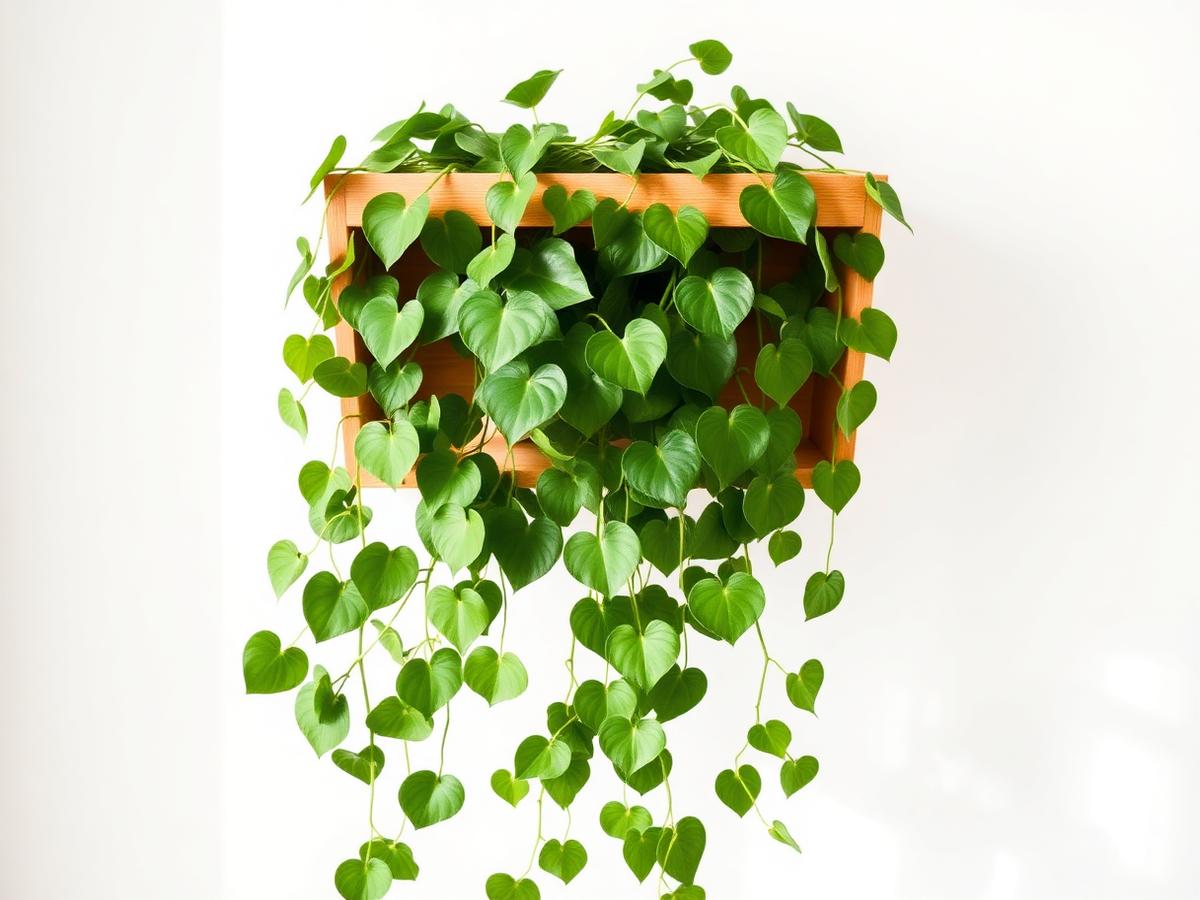
- ·Pothos (Epipremnum aureum, all varieties): first nubs at 5–7 days, visible roots at 7–10 days, pot up at 3–4 weeks. Easiest beginner species.
- ·Heartleaf philodendron and Philodendron Brasil: first roots 7–14 days, pot up at 3–4 weeks. Almost as fast as pothos.
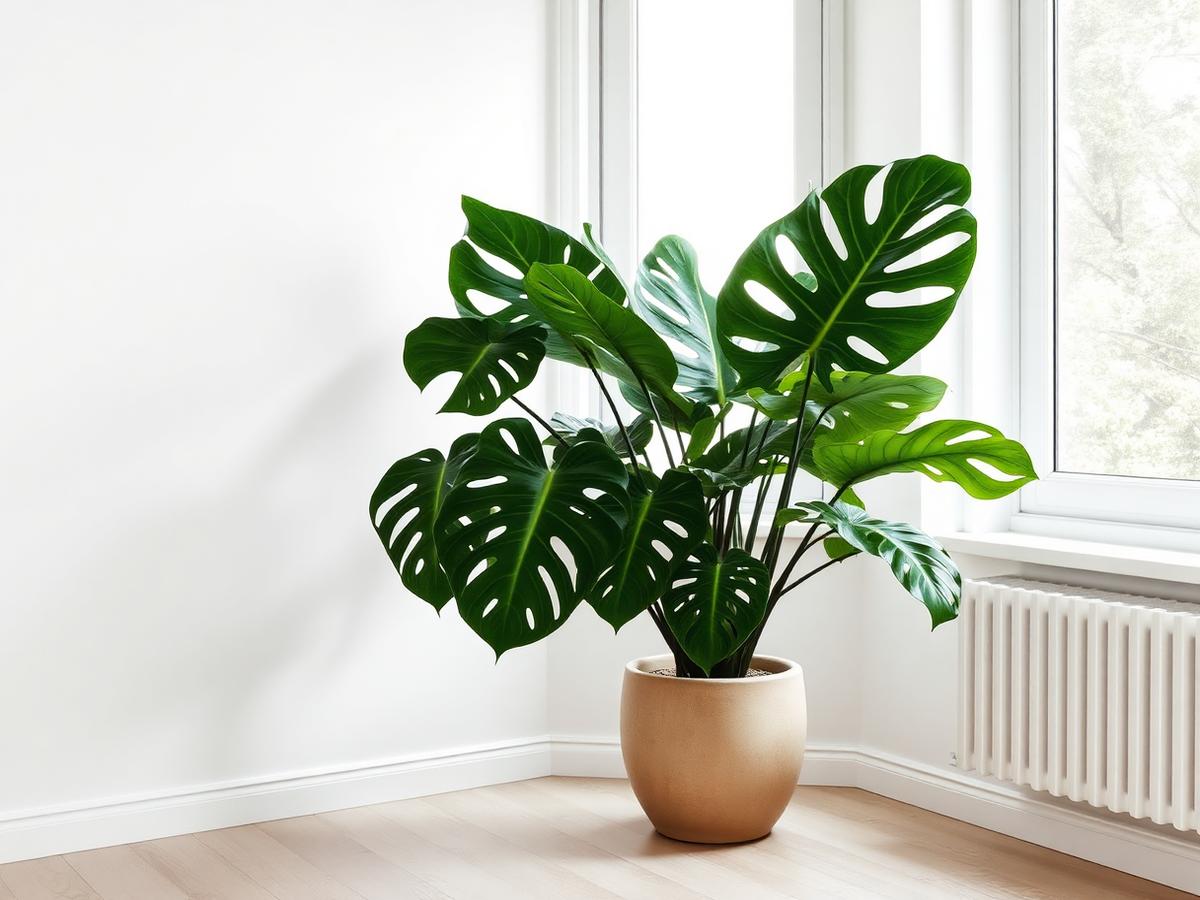
- ·Monstera deliciosa and Monstera adansonii: first roots 14–21 days, pot up at 4–6 weeks. Larger nodes can be slower.
- ·Tradescantia, wandering jew: 5–10 days; some of the fastest in the houseplant world.
- ·Spider plant plantlets: 7–14 days; small adventitious roots already exist on aerial pups.
- ·String of hearts and string of pearls: 14–28 days; can rot easily, prefer soil propagation.
- ·Hoya carnosa and other Hoya: first roots 3–6 weeks; pot up at 8–10 weeks. Slow but consistent.
- ·Fiddle leaf fig and rubber plant: first roots 4–6 weeks; pot up at 8–12 weeks. Patience required.
- ·Snake plant leaf cutting: first roots 4–8 weeks, first rhizome 8–12 weeks; the slowest common houseplant in water.
- ·Jade plant and most succulents: better in soil, water propagation often rots; if attempted, 3–6 weeks.
What 'ready to pot' actually looks like
Seeing roots is not the signal. The signal is roots that are 3–5 cm long with visible secondary branching (smaller roots growing off the main roots). At that stage the cutting can absorb water from soil pores effectively. Potted up too early, with only 1–2 cm of unbranched primary roots, the cutting often wilts and dies despite looking promising in water.
The transition itself is also a stress event — water roots and soil roots are anatomically different. Water-grown roots have fewer root hairs and are more brittle; many die back during the move and the cutting must regrow root tissue suited to soil. Acclimatising over 1–2 weeks (gradually shifting from pure water to a 50/50 water-soil slurry, then to soil) reduces the loss. See propagation: water vs soil for the full transition guide.
What changes the timeline
Five variables move rooting times up or down by 50–100% from the baselines above.
- ·Water temperature: 20–25 °C is the sweet spot. Below 18 °C, rooting slows by half. Cold windowsills in winter are the biggest hidden delay.
- ·Light: bright indirect speeds rooting; direct sun cooks the cutting; deep shade halves the rate. Match the parent plant's light preference.
- ·Cutting quality: a clean cut just below a node, with at least one visible aerial-root nub, roots 30–50% faster than a careless cut.
- ·Water cleanliness: change water every 5–7 days. Algae and bacterial film slow rooting and increase rot risk.
- ·Hormone use: rooting hormone powder or willow water can shave 20–30% off the timeline for stubborn species (fiddle leaf, ficus). Unnecessary for pothos.
How to set up a water-propagation jar
A clear glass jar lets you watch root development and catch rot early. Fill with room-temperature, dechlorinated tap water (left out 12 hours) or filtered water — chlorine inhibits rooting on sensitive species.
- 1Choose a clear glass jar 8–15 cm tall — taller for monstera and large cuttings.
- 2Fill with 8–12 cm of room-temperature water (20–25 °C, dechlorinated).
- 3Cut the stem cleanly with sterile scissors just below a node — the swollen ring where leaves and roots emerge.
- 4Strip the lowest leaf so no foliage is submerged. Submerged leaves rot and contaminate the water.
- 5Place 1–2 nodes underwater; the rest of the cutting above the waterline.
- 6Position in bright indirect light — east windowsill or 30 cm under a grow light.
- 7Change water every 5–7 days, or sooner if cloudy.
Why some cuttings never root
If a cutting has not rooted by the upper end of the species range — 3 weeks for pothos, 8 weeks for monstera, 12 weeks for fiddle leaf fig — the diagnosis is usually one of three things.
- ·No node submerged: roots emerge from nodes, not stems. A cutting with leaves at the bottom and nothing else underwater will not root.
- ·Cutting taken from the wrong section: tip cuttings on long-internode plants (monstera, philodendron) can lack a viable node. Take a cutting that includes a clear node, ideally with a visible aerial-root nub.
- ·Stem rot: the bottom of the cutting has gone soft, brown, and slimy. Trim above the rot and re-start.
- ·Water too cold: a cold windowsill in winter can stall rooting indefinitely. Move to a warm spot above the radiator (not on it) or use a propagation heat mat.
- ·Plant species incompatible with water: some succulents and woody species root better in soil. Switch substrate.
When to pot up (the cleanest transition)
Pot up when roots are 3–5 cm long with visible secondary branching. Use a small pot (10–12 cm) with a well-draining mix — 2 parts standard houseplant mix, 1 part perlite, 1 part orchid bark. Keep the soil moist (not wet) for the first 2–3 weeks while water roots adapt to soil.
The first 2 weeks after potting are when most water-rooted cuttings die. Treat the freshly potted cutting like a transit-shocked plant — moderate light, conservative watering, no fertiliser, no repotting again. New growth above ground signals the soil roots are working.
Can you root cuttings indefinitely in water?
Some species (pothos, lucky bamboo, philodendron) live indefinitely in water with periodic fertiliser. Most others (monstera, fiddle leaf fig, hoya) decline after 2–4 months — water-grown roots cannot supply the nutrients the maturing plant needs, and growth slows or stops. Pot up once roots are mature; do not treat water as a long-term substrate unless you have committed to a hydroponic setup. See LECA vs soil vs semi-hydro for the longer-term water-based options.